Lavender: Love, Peace, and Spiritual Healing

Introduction to Lavender

Lavender is a distinctive flowering plant belonging to the mint family, scientifically known as Lavandula. Indigenous to the Mediterranean region, this versatile plant has managed to capture worldwide interest due to its myriad of uses and the ease of cultivation. Lavender is celebrated for its pleasant, aromatic fragrance and charming visual allure. Its utilization spans thousands of years, embedded within numerous cultures for purposes ranging from therapeutic to culinary and beyond.

Cultivation and Varieties

The growth of lavender is primarily successful in well-drained soils complemented by sunny environments. This hardy perennial is drought-tolerant, thus favoring areas with intermittent rainfall. A notable aspect of lavender cultivation is the diversity of its varieties. Among the most commonly known are English lavender (Lavandula angustifolia), French lavender (Lavandula dentata), and Spanish lavender (Lavandula stoechas). Each variety of lavender is distinctive, demonstrating a variety of sizes, colors, and olfactory notes. While English lavender is prized for its soothing scent and is often used in oils and sachets, French and Spanish varieties bring a more robust fragrance and are typically employed in decorative gardens.

Uses in Aromatherapy and Medicine

The application of lavender in the field of aromatherapy is widespread and well-regarded. Its acclaimed soothing and calming properties have made it a core component in therapies focusing on reducing anxiety and improving sleep quality. The extraction of lavender essential oil from its flowers is an intricate process, yielding a product widely used in massage therapy and with diffusers. Besides its aromatic benefits, lavender possesses a host of medicinal properties. Traditional medicine has long harnessed its antiseptic and anti-inflammatory effects to address minor burns, insect bites, and skin irritations. Current research continues to substantiate these traditional claims, providing evidence for its effectiveness in promoting skin health and overall well-being.

The Symbolism of Lavender

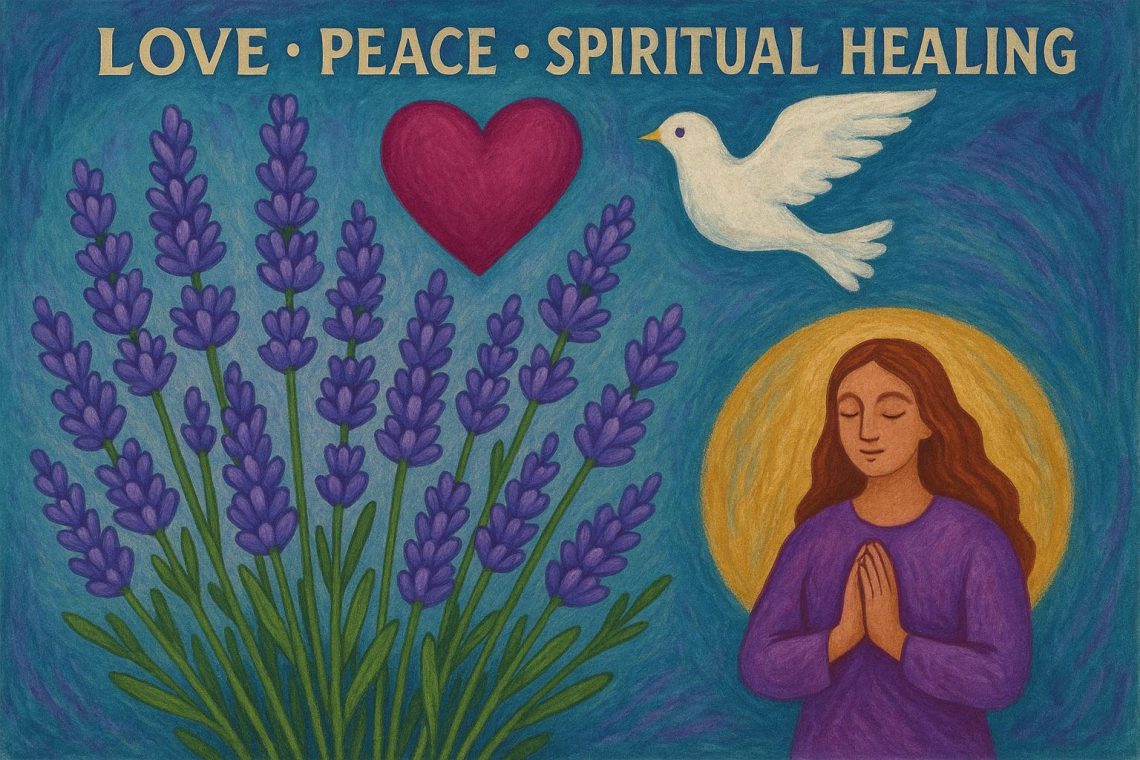
In cultural contexts worldwide, lavender carries a wealth of symbolism. It stands as a representation of love, peace, and spiritual healing. The associations do not end there; in many traditions, lavender is linked with purity and devotion, frequently woven into religious rituals and sacred ceremonies. Its serene influence lends well to spiritual practices, where it is believed to assist in meditation and foster a harmonious environment. Such symbolism enriches the appreciation of lavender beyond its practical uses, touching upon a deeper, almost meditative significance.

Lavender in Culinary Arts

The culinary application of lavender is another fascinating dimension of its utility. Lavender’s culinary use is distinct from its ornamental growing, as specific varieties are cultivated for consumption purposes. These are chosen to ensure both safety and flavor quality. In the realm of gastronomy, lavender imparts a unique floral note, enhancing a spectrum of dishes, desserts, and teas. Its versatile nature allows it to complement both sweet and savory culinary creations. Chefs and home cooks alike are drawn to the delicate complexity culinary lavender can introduce to recipes, from subtly flavoring a pot of herbal tea to creatively infusing cookies and cakes.

Growing Lavender at Home

For those enthusiastic about cultivating lavender domestically, careful consideration of variety choice, climate, and soil conditions is vital. Opting for a variety that suits the given climate is the first step towards successful cultivation. Lavender demands exposure to full sunlight and benefits from good air circulation, which helps mitigate the risk of disease. Regular pruning is an essential practice, crucial for maintaining healthy plant growth while preventing undesirable woodiness. This nurturing care not only bolsters plant vigor but also ensures the continual production of splendid lavender blooms.

For budding horticulturists eager to delve deeper into lavender cultivation, or for seasoned gardeners looking to refine their techniques, comprehensive resources are invaluable. An extensive guide on cultivating and caring for lavender can be accessed through additional resources, providing novices and experts alike with dependable advice.

Conclusion

Overall, lavender’s rich historical tapestry and varied uses underscore its enduring allure and adaptability. Whether admired for its aesthetic merits, therapeutic benefits, or culinary potential, lavender continues to hold a precious place in gardens and households worldwide. The profound symbolism attached to lavender, coupled with its practical applications, makes it an indispensable asset not only to those who grow and nurture it but also to those who enjoy the diverse products derived from this versatile plant. As a cherished addition to the collection of any herb enthusiast or garden connoisseur, lavender promises beauty, serenity, and utility.

The Spiritual Power of Dandelions in Divination

The Spiritual Power of Dandelions in Divination

Dandelions, often dismissed as mere garden weeds, possess profound spiritual and divinatory significance in various traditions across the globe. These vibrant yellow flowers have been revered for centuries, not only for their medicinal benefits but also for their mystical and symbolic uses. In this exploration, we will delve deeper into the ways in which dandelions have been integrated into divination practices and the rich symbolism they carry with them.

Dandelions in Historical Context

The roots of dandelion use in divination stretch back to several ancient cultures. Among the most notable were the Celts and various other European societies that held dandelions in high regard. These groups saw the plant as a formidable representation of natural resilience and the intrinsic connection between all living entities. Over time, dandelions became embedded in cultural rituals and divination practices, with each society imparting its unique interpretations on the plant’s symbolic and mystical properties.

Symbolism of Dandelions

The dandelion’s resilience is a key reason why it is tied to themes of transformation and adaptability. This floral species can thrive across diverse environments, showcasing an admirable transformation from lush yellow blossoms to ethereal seed heads. Such characteristics are not solely biological but have prompted philosophical interpretations. The concept of wish fulfillment has been widely associated with dandelions, as evidenced by the familiar tradition of making wishes while blowing their seed heads. This simple act transcends cultural boundaries, uniting people globally around the shared hope that their aspirations may take flight with the dandelion seeds.

Uses in Divination Practices

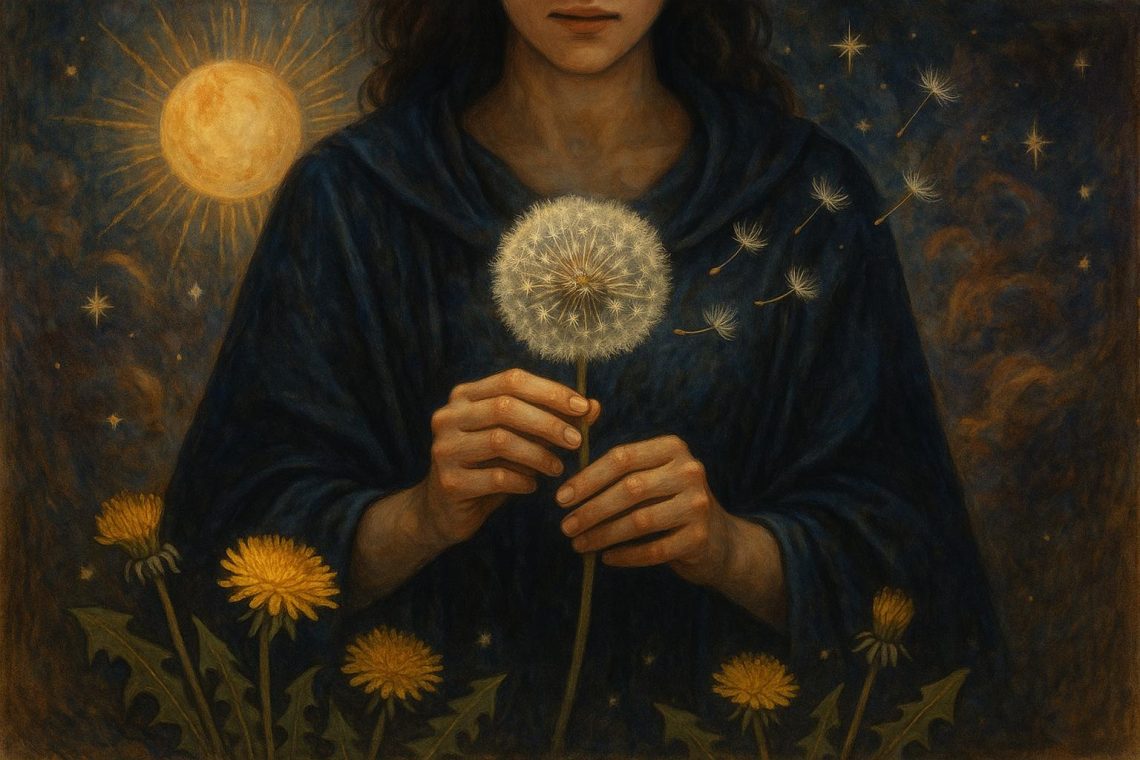
Dandelions serve as multifaceted instruments in the realm of divination. Among the notable practices is the Dandelion Seed Reading. In this tradition, individuals blow onto the seed head and attentively observe the seeds’ dispersal. The direction and pattern of the seeds are thought to offer insights into the future or provide answers to specific questions, making the activity both engaging and enlightening.

Another method is an adaptation of Tea Leaf Reading. By drying dandelion leaves and using them in tea, practitioners indulge in the ancient art of divination through the patterns left behind by the remnants. After consuming the tea, seasoned interpreters read the remaining leaves in the cup, drawing parallels to the insights traditionally derived from the shapes and symbols in tea leaf readings.

Modern Applications of Dandelion Divination

In contemporary practice, the spiritual utilization of dandelions persists robustly. Many spiritual seekers weave dandelion imagery into their meditation routines or employ the plant’s energies to pinpoint and enhance personal intentions and aspirations. Given their abundance in the natural environment, dandelions are accessible symbols with an intrinsic capacity to enrich daily spiritual endeavors.

While dandelions are often overlooked or viewed as nuisances, their rich heritage and versatile roles in divination render them a compelling topic for those intrigued by the interplay between spirituality and nature. Their humble appearance belies a profound potential within divination, reflective of the broader wisdom to be gleaned from the natural world. Though frequently bypassed, dandelions demand acknowledgment and respect as facilitators of spiritual connection and carriers of ancient wisdom.

For individuals eager to further explore dandelions’ impact on spirituality, many resources delve into the plant’s historical and contemporary significance. These might include botanical studies, spiritual literature, and various online platforms dedicated to exploring the intersections of nature, healing, and metaphysical practices.

Thus, in the broader context of spiritual symbolism and practice, dandelions’ enduring presence in divination signifies more than mere beauty or medicinal use. They embody transformation, renewal, and the eternal wish for connection with higher truths, emblematic of the greater spiritual journey we each undertake.