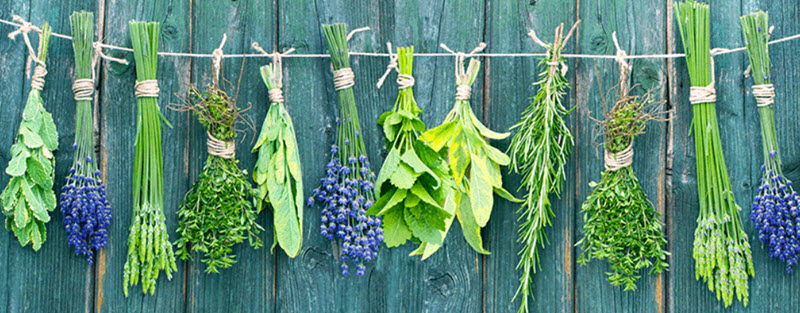
Throughout human history, man has always had a very tight bond with plants of all sorts, weaving them into all sorts of spells, performances, and ceremonies. This behaviour is known in different cultures worldwide, from the cannabis-smoking holy men of India to the peyote-eating shamans of South and Central America. Some herbs are used for religious purposes. Others are used for personal gain. Examples of this are that some herbs are used to attract love while others are believed to give you good financial fortune. A binary options trader might use ginger root to try to attract good luck. Someone who is desperately in love might use lavender to try to attract their desired partner.
-
The Role of Chestnuts in Fortune-Telling Traditions
-
The Sacred Connection of Ash Trees in Norse Mythology
-
The Magical Uses of Sorrel in Witchcraft
-
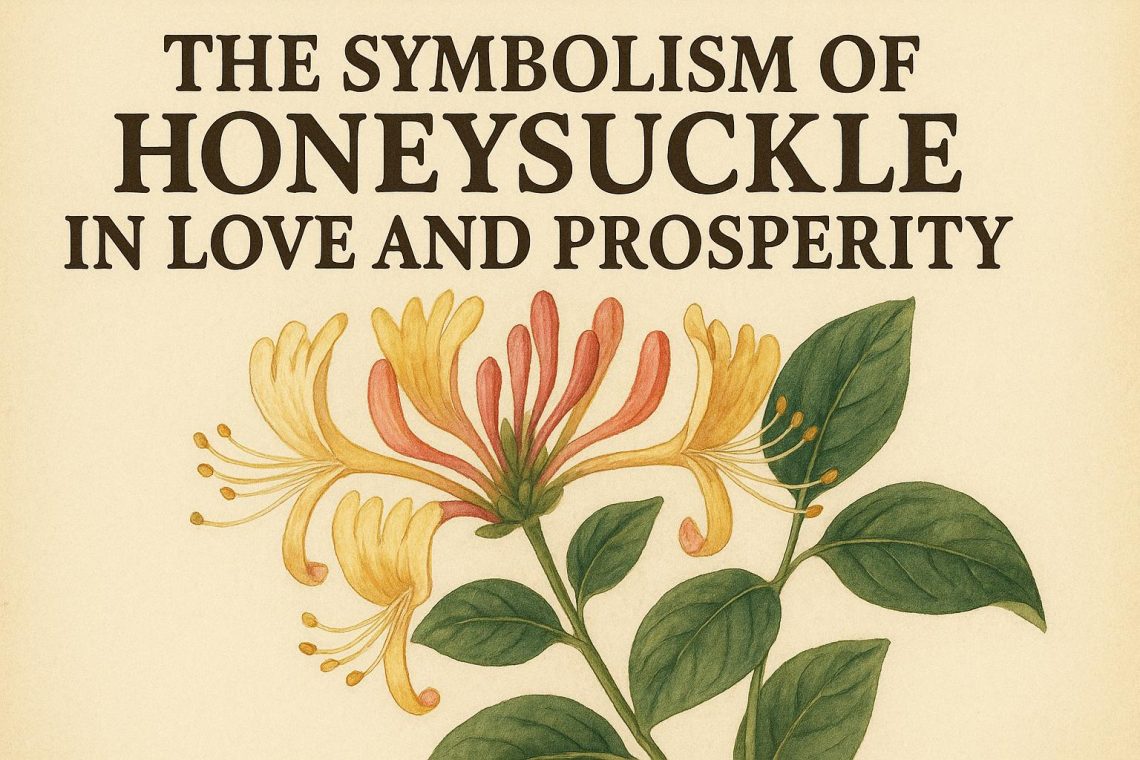
The Symbolism of Honeysuckle in Love and Prosperity
-
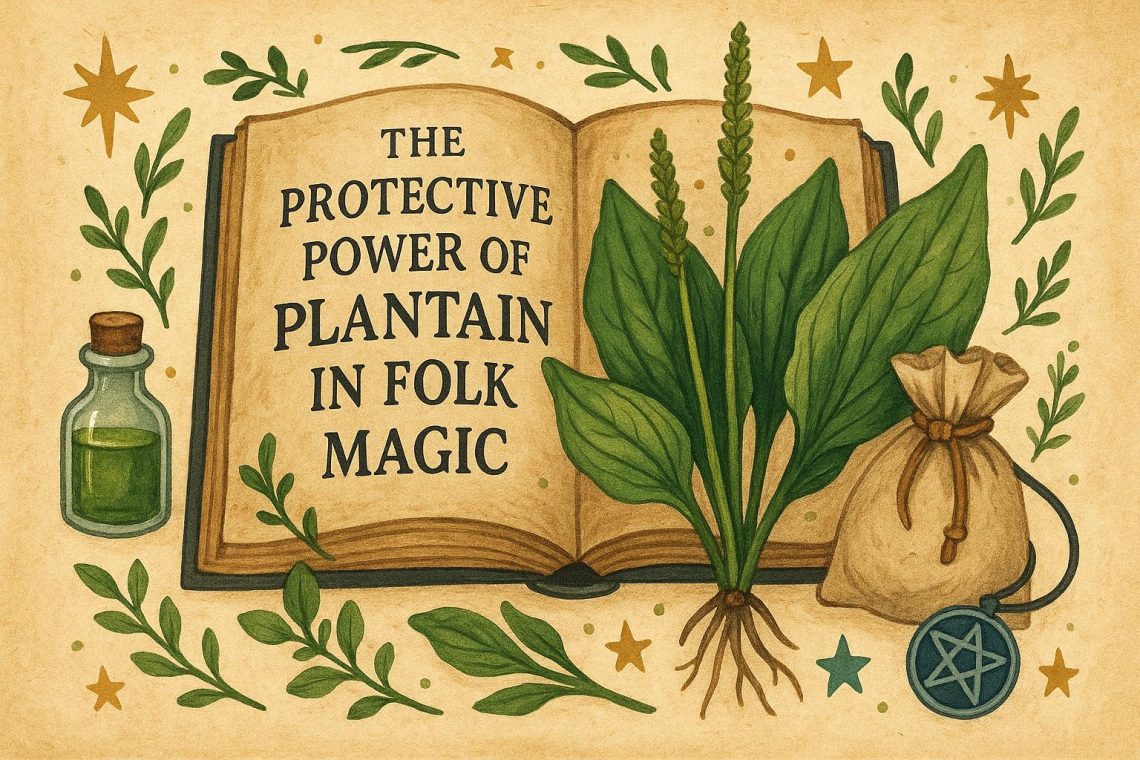
The Protective Power of Plantain in Folk Magic
-
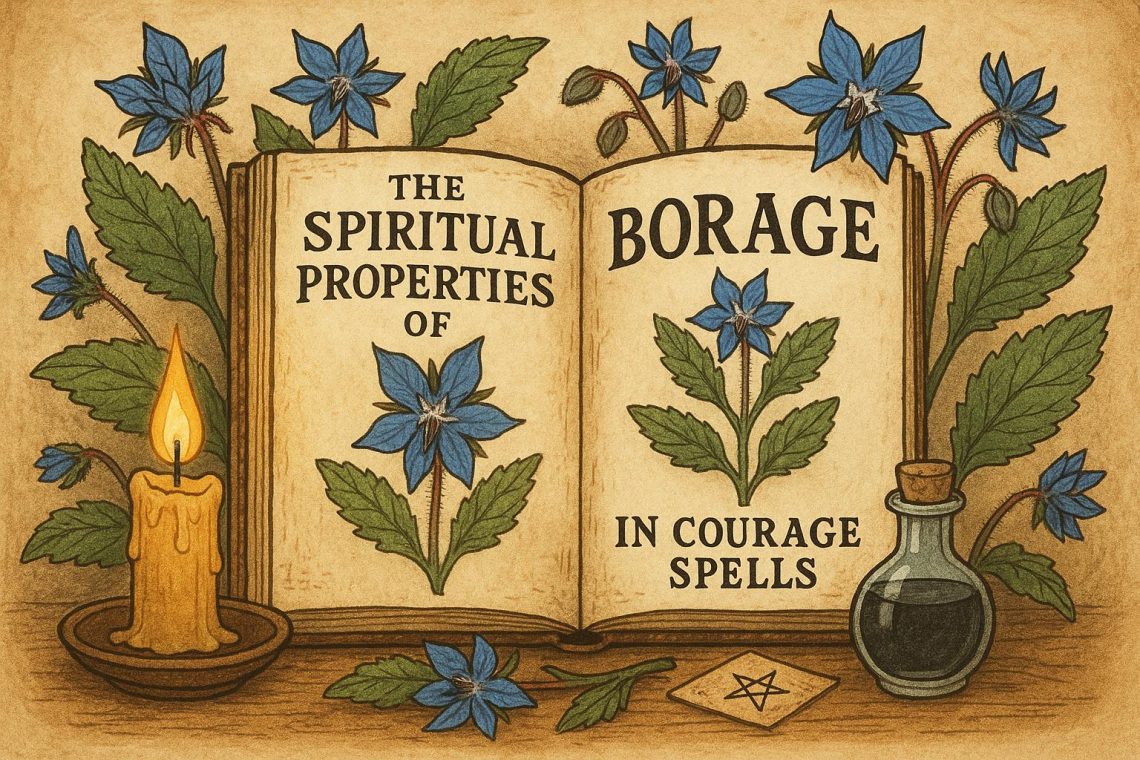
The Spiritual Properties of Borage in Courage Spells
-
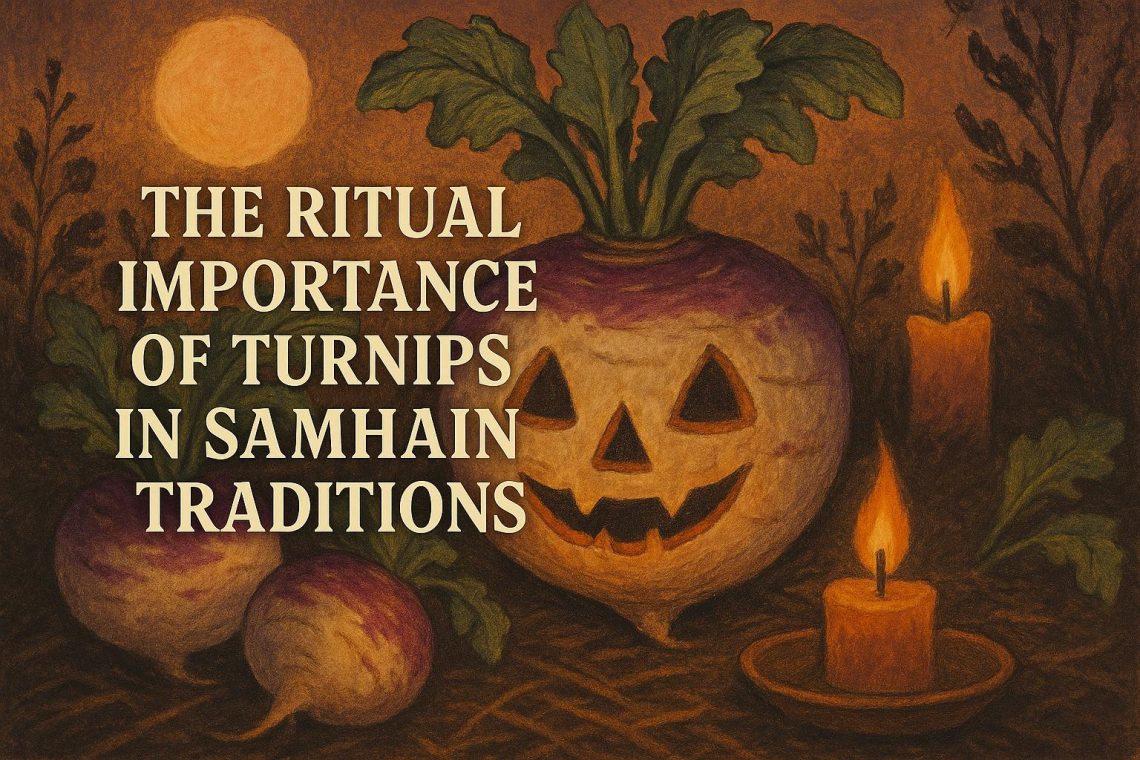
The Ritual Importance of Turnips in Samhain Traditions
-
The Symbolism of Rice in Religious Celebrations
Altered consciousness
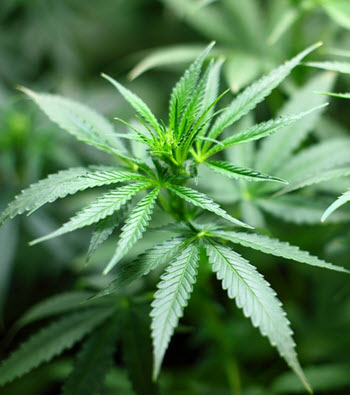
The common trait of many of these sacred plants is their ability to alter the consumer’s consciousness of any such plant. In these altered states, the shamans, priests or whoever is conducting the ritual claims to be able to do a wide range of spiritual tasks. These tasks include astral projection, divination, healing the sick, calling for blessings, communicating with gods and deities and peering into the future.
How was they discovered?
It can seem almost unfathomable how our ancestors discovered these plants, given there is an almost infinite variety of plants on this earth. Something deep inside must have led those first shamans and priests to scour nature for help in their spiritual quest. As you look into the world of sacred plants and their ceremonial uses, you can truly appreciate how deep the bond to nature runs in both the ancient and contemporary human spirit. One of the obvious things is that man has always found spiritual guidance in nature and has used nature’s different ethnogenic plants to live up to their spiritual potential.
Admiration is in place for these first movers and internal explorers because they charge courageously into an uncharted headspace and kept track of the plants they were using. The richness of the wilderness is great, but sometimes the differences are subtle and minute. The art and science of telling plants from each other is one that is hard to learn and requires time and discipline, even in this day and age. What the ancient healers, priests, and like-minded folks did can be seen as the start of pharmacology and botany. By collecting, inspecting and describing the appearances of different plants they started traditions which later would develop into modern medicine, morphological biology, and herbology.
Our articles
To write these articles I have scoured the web for information on the topic, and it quickly became clear that the contemporary community around ethnogenic plants is soaring to new heights. It seemed I was not the only one looking into the old ways, to find inspiration for a new future. As we move further and further away from the nature that binds us all together, some truths become less and less apparent, and that is where the sacred plants enter the floor. These plants and the ceremonies and rituals that often comes with them, possess old knowledge and wisdom, knowledge and wisdom which have proved itself important enough to be kept alive for decades.
As you will discover, the geographical spread of these plants can only be described as worldwide. Some plants require specific conditions to flourish, but all parts of the world have their own sacred plants which live in their specific environment. But there are plants that transcend their native habitats and have spread far and wide, Cannabis being a good example of that.
Psychoactive Flora & Fungi Archive
A reference index of traditional ethnobotanical species, indigenous geographic origins, and primary chemical constituents.
| Common Name | Botanical Taxon | Traditional Origin | Constituents & Ethnobotanical Context |
|---|---|---|---|
| Ayahuasca |
Banisteriopsis caapi & Psychotria viridis
Malpighiaceae / Rubiaceae
|
Amazon Basin |
Harmala Alkaloids + DMT
Traditional synergistic sacramental brew; MAO-inhibiting harmine/harmaline allow oral absorption of DMT.
|
| Cannabis |
Cannabis sativa / indica / ruderalis
Cannabaceae
|
Central & South Asia |
THC, CBD & Terpenes
One of humanity’s earliest cultivated plants, valued for medicinal, fiber, and ceremonial utility.
|
| Psilocybe |
Psilocybe spp. (e.g., P. cubensis, P. semilanceata)
Hymenogastraceae (Fungi)
|
Cosmopolitan (Mesoamerica) |
Psilocybin & Psilocin
Sacred entheogenic fungi historically revered as teonanácatl in Mesoamerican divinatory rites.
|
| Brugmansia |
Brugmansia spp.
Solanaceae (“Angel’s Trumpet”)
|
South America (Andes) |
Tropane Alkaloids (Scopolamine)
Potent anticholinergic deliriant utilized with extreme caution by indigenous Andean shamans.
|
| Peyote |
Lophophora williamsii
Cactaceae
|
Chihuahuan Desert (Mexico / TX) |
Mescaline
Spineless button cactus used for millennia by Huichol and Native American Church ceremonial traditions.
|
| San Pedro |
Trichocereus macrogonus var. pachanoi
Cactaceae (“Huachuma”)
|
Andean South America |
Mescaline
Fast-growing columnar cactus utilized in traditional Andean healing and diagnostics for over 3,000 years.
|
| Salvia divinorum |
Salvia divinorum
Lamiaceae (“Ska María Pastora”)
|
Sierra Mazateca (Oaxaca, Mexico) |
Salvinorin A (Kappa-Opioid Agonist)
Rare endemic mint family member utilized by Mazatec shamans for vision-seeking and healing ceremonies.
|
| Kava |
Piper methysticum
Piperaceae
|
Pacific Islands (Polynesia/Melanesia) |
Kavalactones
Root preparation consumed across the South Pacific for social bonding, relaxation, and formal state diplomacy.
|
| Wormwood |
Artemisia absinthium
Asteraceae
|
Eurasia & North Africa |
Thujone & Bitter Glycosides
Historical bitter aromatic herb central to absinthe production, digestive medicine, and traditional European tonics.
|
| Datura stramonium |
Datura stramonium
Solanaceae (“Jimsonweed”)
|
North America / Cosmopolitan |
Hyoscyamine, Scopolamine, Atropine
Highly toxic Solanaceous plant with profound anticholinergic effects and dangerous therapeutic margins.
|
| Morning Glory |
Ipomoea tricolor
Convolvulaceae (“Tlitliltzin”)
|
Tropical Americas |
Ergoline Alkaloids (LSA)
Flowering vine whose seeds were used by indigenous Zapotec and Aztec peoples as sacred divinatory tools.
|
All of these have immense significance in their respective cultures and communities and by understanding them better, you will gain insight into the people who use them and maybe ultimately yourself.