The Sacred Connection of Fig Trees in Myths

The Role of Fig Trees in Ancient Civilizations

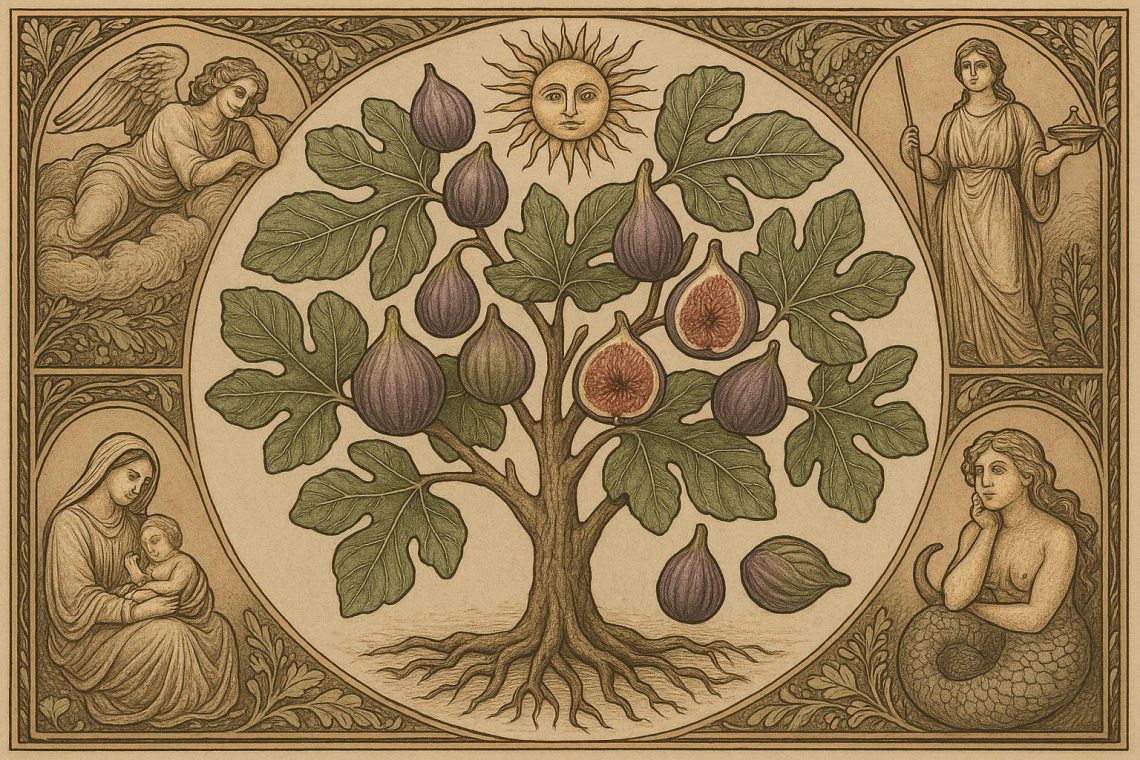
The fig tree, recognized for its distinctive appearance and nourishing fruit, has occupied a notable place in the mythology and cultural practices of various ancient civilizations. Its significance transcends mere physical attributes, being deeply rooted in the sacred and symbolic connections it represented. The fig tree’s role in different historical contexts showcases its importance in ancient societies.

Fig Trees in Ancient Egypt

In ancient Egypt, the fig tree held profound spiritual and cultural significance. It was associated with several deities, notably serving as a symbol of abundance and wisdom. Among the different types of fig trees, the sycamore fig was particularly revered and worshipped as a tree of life. The Egyptians believed that the goddess Hathor, often depicted emerging from a fig tree, provided nourishment to the souls of the dead. Hathor’s connection to the fig tree signifies the tree’s role in the afterlife, as it was commonly planted near tombs to sustain the departed. The sacred fig not only provided sustenance but also represented eternal life, showcasing its multifaceted significance in ancient Egyptian culture.

The Fig Tree in Greek and Roman Mythology

In Greek mythology, the fig tree was a powerful symbol of fertility and creation. It was closely tied to the myth of the goddess Demeter, who, during her search for her daughter Persephone, found solace and nourishment in figs. This association underscores the fig tree’s representation as a provider and nurturer, themes that were integral to Greek mythology. The fig tree’s role extended beyond mythology to practical uses, as figs were a staple in the Greek diet, valued for their nutritional content.

Similarly, the Romans held the fig tree in high esteem. A significant legend related to Roman culture involves the founders of Rome, Romulus and Remus, who were said to be discovered under a fig tree. This narrative highlights the tree’s nurturing aspect, as it provided shelter and safety for the twins. The esteem in which Greeks and Romans held the fig tree reflects their understanding of its importance not merely in sustenance but in its essential symbolic embodiment of nourishment and protection.

The Significance in Indian Traditions

In Indian culture, particularly within Hinduism, the sacred fig, also known as *Ficus religiosa* or the Bo tree, holds significant spiritual meaning. It is famously associated with Siddhartha Gautama, who is revered as the Buddha. According to tradition, Siddhartha achieved enlightenment while meditating under this tree, transforming it into an enduring symbol of enlightenment and spiritual awakening. The tree’s presence is also prominent in Hinduism, where it is associated with Vishnu, one of the principal deities in the Hindu pantheon. Vishnu’s connection to the sacred fig underscores the tree’s role as a symbol of divine knowledge and spiritual growth.

The Bo tree is not only a religious icon but also a symbol of the continuity of life in Indian culture. Its expansive canopy and deep roots represent the interconnectedness of life, making it a living metaphor for strength and growth. In contemporary times, the tree continues to be a site for pilgrimage, where people seek spiritual solace and enlightenment.

The Fig Tree in Biblical Contexts

In the Christian tradition, the fig tree occupies an important place, appearing in various stories and parables in the Bible. Among the most notable references is its association with the story of Adam and Eve in the Book of Genesis. After consuming the forbidden fruit, Adam and Eve used fig leaves to cover their nakedness, symbolizing innocence lost and newfound shame. This narrative imbues the fig tree with a dual symbolism of both protection and the consequences of disobedience.

In the New Testament, the Gospel of Mark recounts Jesus’ encounter with a barren fig tree, which he curses, resulting in its withering. This parable is often interpreted as a lesson about fruitlessness and the importance of spiritual productivity. The fig tree serves as a metaphor for the consequences of not bearing the fruits of faith. Such stories highlight the fig tree’s continued significance as a vehicle for moral and spiritual teachings across the ages.

Contemporary Symbolism and its Legacy

In modern times, fig trees continue to symbolize peace, prosperity, and resilience in numerous cultures. They often appear as metaphors in literature and art, representing growth, abundance, and the cycles of life. The cultural narratives surrounding fig trees weave a rich tapestry of symbolism transcending time and geographical boundaries. Scholars and enthusiasts can find extensive analyses and interpretations of fig tree symbolism in various academic works and literature. These explorations reveal how deeply intertwined human societies are with nature and the symbolic meanings we ascribe to elements of the natural world that have surrounded us throughout history.

By delving into the myths and cultural histories associated with fig trees, one gains an understanding of humanity’s deep-rooted connections with nature. The symbolic meanings, such as nourishment, protection, wisdom, and enlightenment, assigned to fig trees reflect the essential roles these trees have played in various cultural narratives. The legacy of the fig tree is evident not only in historical texts and archaeological finds but also in the continued reverence and symbolic meanings it holds in contemporary contexts. From ancient deities to modern literary symbols, the fig tree exemplifies enduring cultural significance, reflecting humanity’s universal quest for understanding and connection with the environment.

The Symbolism of Corn in Mesoamerican Beliefs

The Importance of Corn in Mesoamerican Culture

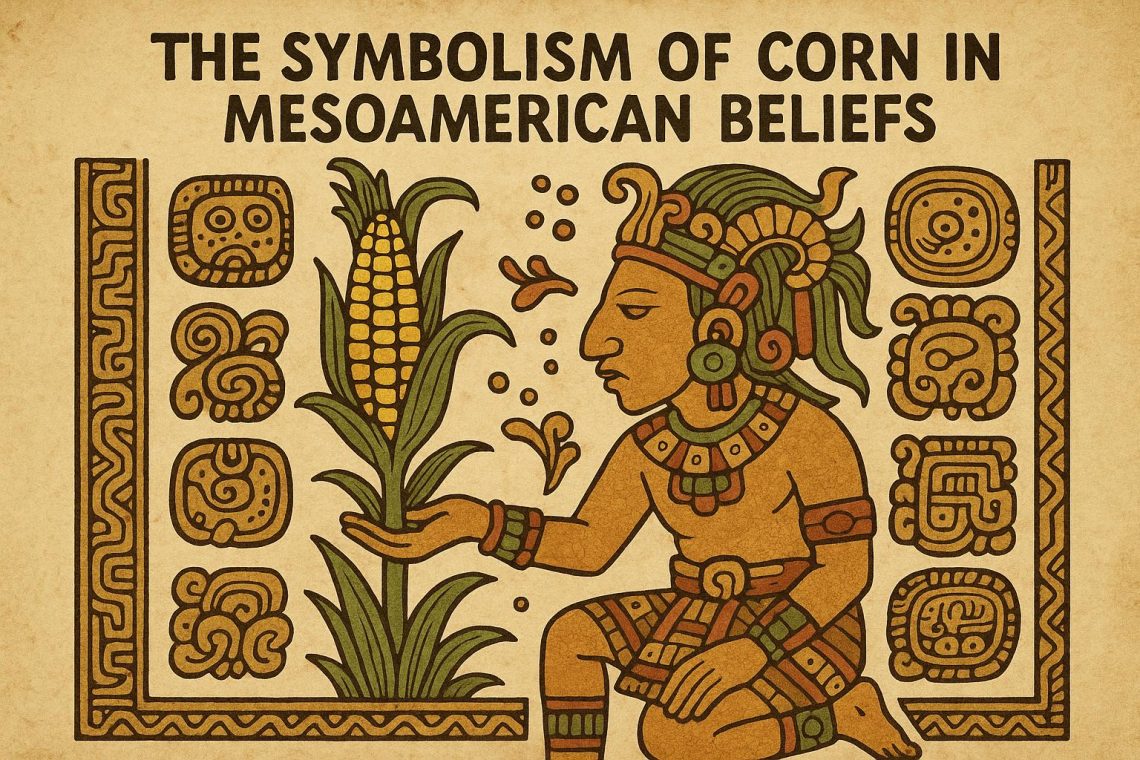
In the rich tapestry of Mesoamerican beliefs, corn, known as maize, holds a place of profound significance. This staple crop was not merely a food source but a central figure in the religious and cultural life of various civilizations, including the Maya, Aztec, and Olmec. Its importance extends across several facets, from agriculture to mythology, thereby influencing numerous aspects of these ancient societies.

Historical Context of Corn Cultivation

Corn was first domesticated in the Tehuacan Valley of what is now Mexico, around 9,000 years ago. This domestication marked a pivotal development in the history of agriculture, as corn began its journey from a wild grass to a staple crop. As it spread across the region, it became integral to the growth of Mesoamerican societies. The crop’s adaptability to diverse climates and conditions enabled it to become a key agricultural product, supporting burgeoning populations and facilitating societal advancements.

The cultivation of corn also necessitated the development of technologies and farming practices to increase productivity and sustain growing populations. Terracing, irrigation, and crop rotation were some of the agricultural techniques that arose as a direct response to the need to efficiently produce this vital resource. These advancements contributed to the sophistication of Mesoamerican societies, enabling the emergence of cities and complex political systems.

Mythological Significance of Corn

Corn is deeply intertwined with Mesoamerican mythology. The Popol Vuh, a sacred text of the Maya civilization, describes how human beings were crafted from maize dough by the gods. This creation story underscores the belief that corn is not just sustenance but the very material of human existence. This narrative speaks to the interconnectedness of life and crops, where humans and their food source share a symbiotic relationship, sacred and essential.

Similarly, among the Aztecs, corn was associated with the god Centeotl, who governed the fertility of this vital crop. The lifecycle of corn was often seen as a metaphor for the cycle of life and death, reflecting the agricultural rhythm that sustained these ancient cultures. This metaphor was a powerful reminder of the dependence of the society on agricultural cycles and the divine. Moreover, religious rituals involving corn served to reinforce the agrarian calendar and helped maintain societal harmony by aligning community activities with these cycles.

Rituals and Ceremonies

Corn was central to various Mesoamerican rituals and ceremonies. The planting and harvesting were marked by elaborate festivals, where offerings were made to ensure a bountiful yield. The communal nature of these events fostered a sense of unity and shared purpose among the participants. Items made from corn, such as tortillas and tamales, were prepared and presented to the gods. These practices highlighted the communal and spiritual role of corn beyond its nutritional value. Through these offerings and ceremonies, people expressed gratitude to the deities, securing a spiritual endorsement for agricultural success.

These festivals were not only spiritual in nature but also acted as social events where communities could gather, reinforcing social structures and traditions. They provided an opportunity for the transmission of knowledge—both practical and spiritual—to younger generations, thus ensuring cultural continuity.

Symbolism in Art and Architecture

The symbolism of corn extended into Mesoamerican art and architecture. Depictions of maize gods, corn motifs, and related symbolism adorned temples and ceremonial sites. The artistic representation of corn in murals and carvings served as a constant reminder of the crop’s central role in both practical and spiritual aspects of life. This iconography served to continuously remind the people of their dependence on corn and its divine associations.

The architectural structures of significant sites such as the temples at Teotihuacan or the pyramids of the Maya often incorporated corn motifs. This integration of artwork with structural design signifies the intertwining of spirituality and daily life, where art became a medium that immortalized cultural values and religious beliefs.

Modern-Day Relevance

Corn continues to be a fundamental part of Mesoamerican descendants’ diets and cultures, such as the Maya and Zapotec communities. Traditions surrounding corn, from culinary practices to festivals, maintain a connection to ancient beliefs and continue to celebrate this sacred plant. The methods of preparing and consuming corn-based foods have evolved over time, but the cultural significance of these traditions remains intact, serving as a living link to their ancestral heritage.

In contemporary cuisine, corn remains a versatile ingredient, appearing in countless traditional dishes, including tortillas, tamales, and atole. These foods are not only dietary staples but are also embedded in cultural and familial traditions, further embedding the historical importance of corn in modern life. Furthermore, festivals and rituals continue to reflect the perennial importance of corn, highlighting an enduring appreciation for the crop that transcends mere sustenance.

Conclusion

In conclusion, corn’s symbolism in Mesoamerican beliefs demonstrates its vital influence on the spiritual and physical realms of these ancient societies. The enduring reverence for maize highlights its exceptional role in shaping the cultural and religious life of Mesoamerica. From its central part in mythology and rituals to its artistic representations and agricultural innovations, corn has been a cornerstone of Mesoamerican civilizations for millennia. As modern descendants continue these traditions, they honor the legacy of their ancestors, underscoring maize’s significance that inextricably links the past, present, and future within Mesoamerican culture. The study of maize, therefore, becomes a window into understanding the broader cultural practices and values of these ancient peoples.