The Historical Significance of Nettle in Magic
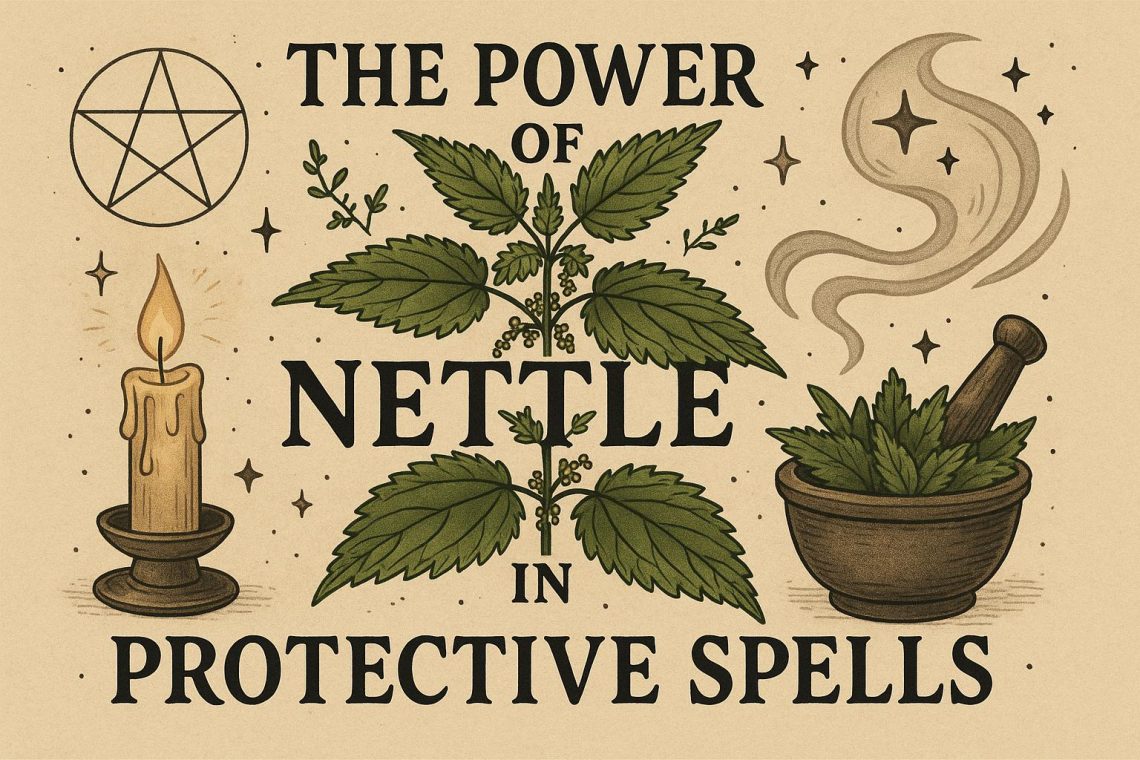
Nettle, known scientifically as Urtica dioica, bears a history steeped in folklore and traditional magical practices. While many people primarily perceive this plant as a nuisance due to the irritation it can cause upon contact, nettle has long been venerated for its protective qualities in numerous cultural beliefs. Throughout history, from ancient civilizations to modern-day practitioners of magic, nettle has been employed in spells and rituals designed to safeguard individuals or areas from perceived harm or negative influences.
This protective reputation has been passed down through generations, manifesting in various cultural interpretations and methods of use. Whether in written folklore or oral traditions, nettle has maintained its status as a plant of potency and protection.
Botanical Characteristics of Nettle
Nettle is a durable perennial plant, distinguishable by its serrated leaves and small, greenish flowers. Its most well-known feature is the presence of stinging hairs, or trichomes, on its leaves and stems. These minute hairs contain histamine and other chemicals, which can trigger a mild, temporary irritation when touched. This characteristic, often seen as a deterrent, ironically highlights nettle’s intrinsic protective properties—as if the plant itself is designed to guard against trespassers.
Despite its stinging nature, nettle is highly regarded for its extensive nutritional benefits. It is abundant in essential vitamins, such as vitamin A, C, K, and several B vitamins, alongside minerals like iron, calcium, magnesium, and potassium. Its use extends beyond magical practices; it’s also a well-documented component in traditional medicine, where it has been praised for its anti-inflammatory properties and its ability to treat ailments ranging from arthritis to anemia.
Magical Properties of Nettle
In the mystical realm, nettle’s predominant association is with protection and defense. The plant’s tough and resilient physical nature is often perceived as a reflection of its spiritual potency in establishing and reinforcing spiritual barriers. This belief is rooted in the idea that a plant’s physical characteristics are indicative of its metaphysical properties. Thus, nettle, with its naturally armored exterior, is believed to fend off negative energies and malevolent spirits.
Nettle is frequently incorporated into protective charms and amulets and is often carried or placed in strategic locations to safeguard against potential threats. Another common practice involves burning dried nettle; the rising smoke is thought to purify environments, a use parallel to the common cleansing ritual involving sage.
Utilizing Nettle in Protective Spells
When employing nettle in magical workings, practitioners often rely on a few established methodologies:
Herbal Sachets: Crafting herbal sachets with dried nettle leaves is a widely practiced method of protection. These sachets are made by placing dried nettle into small cloth bags, which can then be carried on the person or positioned in key locations within the home or workspace. These sachets serve as amulets, thought to ward off negative energies or malevolent intentions directed toward their bearer or surroundings.
Nettle Baths: Ritual cleansing baths incorporating nettle are another popular use of the plant’s protective powers. By adding nettle to a bath, practitioners aim to wash away negative influences that may be clinging to them and establish a protective barrier against future attacks or intrusions. This ritual acts as both a physical and metaphysical cleanse.
Sprinkling Nettle: The act of sprinkling nettle around the perimeter of a property is believed to create a protective boundary. This practice is thought to prevent unwanted energies or entities from entering the space, thus safeguarding those within it. Such practices can often be found in both detailed spellwork and simpler, folk traditions aimed at utilizing nettle’s guarding qualities.
Precautions in Handling Nettle
While incorporating nettle into various practices, it’s essential to handle the plant with care due to its stinging nature. Managing nettle without adequate precautions can result in skin irritation. To mitigate this risk, wearing gloves or utilizing tools to handle the plant is advisable. These precautions ensure that the practitioner remains unharmed while working with nettle’s protective energies.
Another significant aspect to consider is the ethical sourcing or cultivation of nettle. Given that the use of nettle is embedded with cultural traditions and historical usage, it is vital to approach its harvesting with respect for the environment and the legacies associated with its use. Practitioners are encouraged to source their nettle sustainably, ensuring that ecosystems are not disrupted by indiscriminate harvesting.
For those seeking a deeper exploration of the magical practices surrounding nettle, a wealth of resources is available. Dedicated herbalism and folklore texts and publications offer extensive insights into its multifaceted uses and applications. These resources provide not only practical guidance but also contextual understanding of how nettle and similar plants have been woven into the tapestry of cultural practices throughout the ages. For further reading and more detailed information, individuals may consult a variety of online and offline sources dedicated to the subject.