The Significance of Hazel Trees
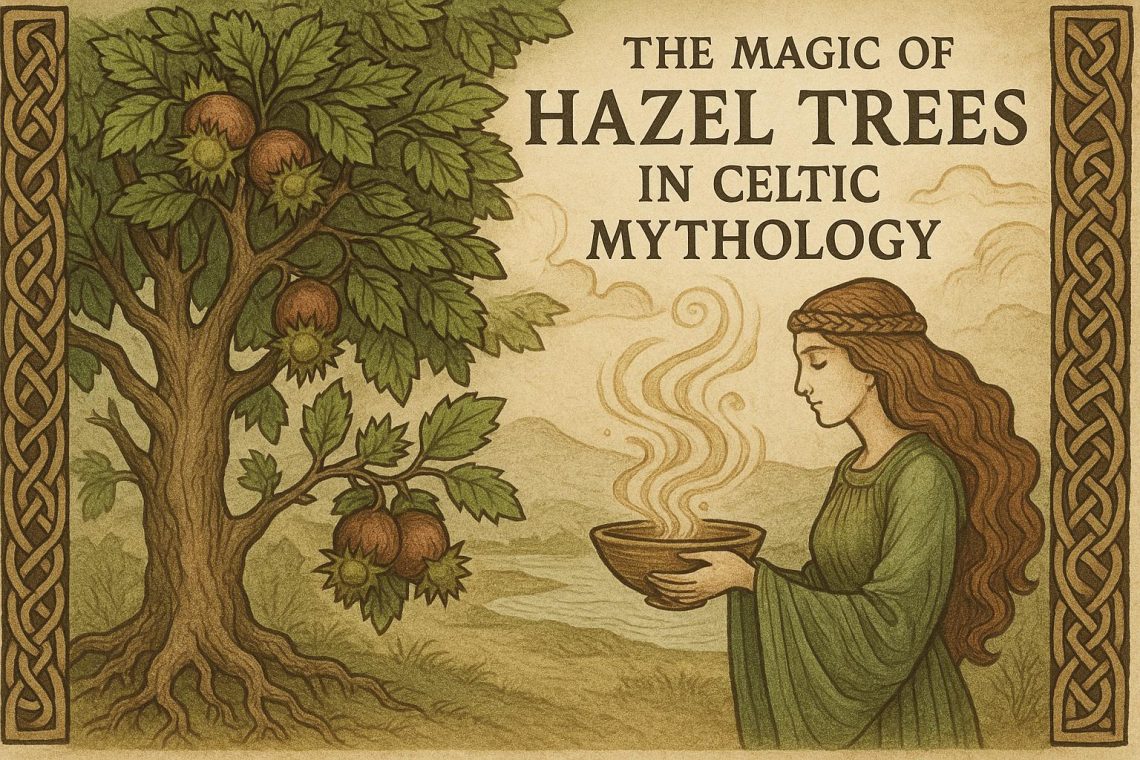
In Celtic mythology, the hazel tree holds a prominent place due to its associations with wisdom, knowledge, and inspiration. The ancient Celts regarded it as a sacred tree, and it often appears in various mythological narratives and traditional folklore. Understanding the role of the hazel tree in these stories provides insights into the values and beliefs of Celtic culture.
Symbolism and Attributes
The hazel tree, known as “Coll” in the Celtic Ogham alphabet, symbolizes wisdom and inspiration. It is linked to the divine and is believed to possess magical properties. The hazelnut, in particular, is considered a symbol of wisdom and insight, granting individuals the ability to access deep knowledge and understand mysteries. This dual association with tangible nuts and intangible wisdom speaks to a multifaceted cultural representation of the tree.
The symbolism of the hazel as an embodiment of knowledge extends into Celtic storytelling, where it is depicted as a key to understanding complexities of life and a guide to resolving confusion. The tree’s presence in these stories serves as a metaphor for clarity, suggesting that wisdom comes not only from external instruction but also through internal reflection and growth.
The Salmon of Knowledge
One of the most famous tales involving the hazel tree is the legend of the Salmon of Knowledge. In this myth, a great salmon gains all the world’s knowledge by consuming nine hazelnuts that fall into the Well of Wisdom from the trees surrounding it. This story underscores the belief in the tree’s special connection to heightened awareness and intelligence.
According to the legend, whoever consumed the salmon would, in turn, acquire profound wisdom. It is a narrative that emphasizes the transformational power of knowledge and the unique attributes of the hazel tree as a facilitator of this enlightenment. This tale reflects a broader cultural value placed on the pursuit of learning and the transformative effects it can have on an individual’s life.
Connection to Divination
Hazel branches were often used in divination practices. The act of dowsing, for instance, involved using a forked hazel stick to locate water or precious metals. This practice highlights the tree’s association with insight and the ability to reveal hidden truths.
Dowsing was believed to tap into unseen energies of the earth, making the hazel tree a mediator between the human and natural worlds. This practical use of the hazel in everyday life illustrates its integral role in routine spiritual practices and how the physical attributes of the tree were believed to hold ethereal properties capable of guiding decision-making.
Role in Celtic Festivals
Hazel trees also played a vital role in various Celtic festivals. During the festival of Samhain, considered the Celtic New Year, hazel was used in rituals to honor the past and predict the future. The Ogham symbol for the hazel tree was used in these ceremonies to invoke wisdom and guidance from the spiritual realm.
Samhain marked a liminal time of transformation and renewal, with hazel symbolizing a link between the known and the unknown, between this world and beyond. The tree’s central presence in these festivals highlights its importance in communal rites of passage, acting as both a commemorative and anticipatory symbol guiding cultural practices and beliefs.
Protective Powers
Beyond its association with wisdom, the hazel tree was also thought to possess protective qualities. Branches were hung over doorways to keep out evil spirits, and the wood was sometimes used to craft protective talismans. In this context, the hazel tree served as a guardian against malevolent forces.
Its protective powers extend further when considering the crafting of rods and wands from its branches, tools often used by druids and practitioners of ancient wisdom to direct energy and influence outcomes. Symbolically, the tree provided both a physical barrier and an ethereal shield, derived from its status within the ecological hierarchy and as a constant cultural symbol of protection.
Paucity in Written Records
It is important to note that much of what is known about the hazel tree in Celtic mythology comes from oral traditions rather than written records. As a result, interpretations can vary, and the stories may have evolved over time. Despite this, the enduring presence of the hazel tree in Irish and Scottish landscapes and cultural traditions highlights its timeless significance.
The reliance on oral storytelling for information about ancient practices suggests a fluidity in mythological narratives—a rich tapestry of evolving stories yet grounded in consistent, enduring themes. Each retelling could adapt and reflect contemporary societal needs while maintaining its core essence, revealing the resilient power of cultural symbols like the hazel tree in shaping identity and communal memory.
Further Reading and Resources
To learn more about Celtic mythology and the role of trees, the website Celtic Tree offers extensive resources. Another valuable source of information is the book “The Wisdom of Trees” by Francesca Greenoak, which delves into the cultural and mythological importance of trees across different traditions.
For those interested in a deeper exploration, studying the Ogham alphabet reveals a network of symbols where each letter represents a different tree, showcasing a broader tapestry of knowledge intertwined with the natural world. Through these sources, understanding the profound roles trees like the hazel play in human consciousness becomes not only a study of the past but an inspiration for integrating nature into modern life.