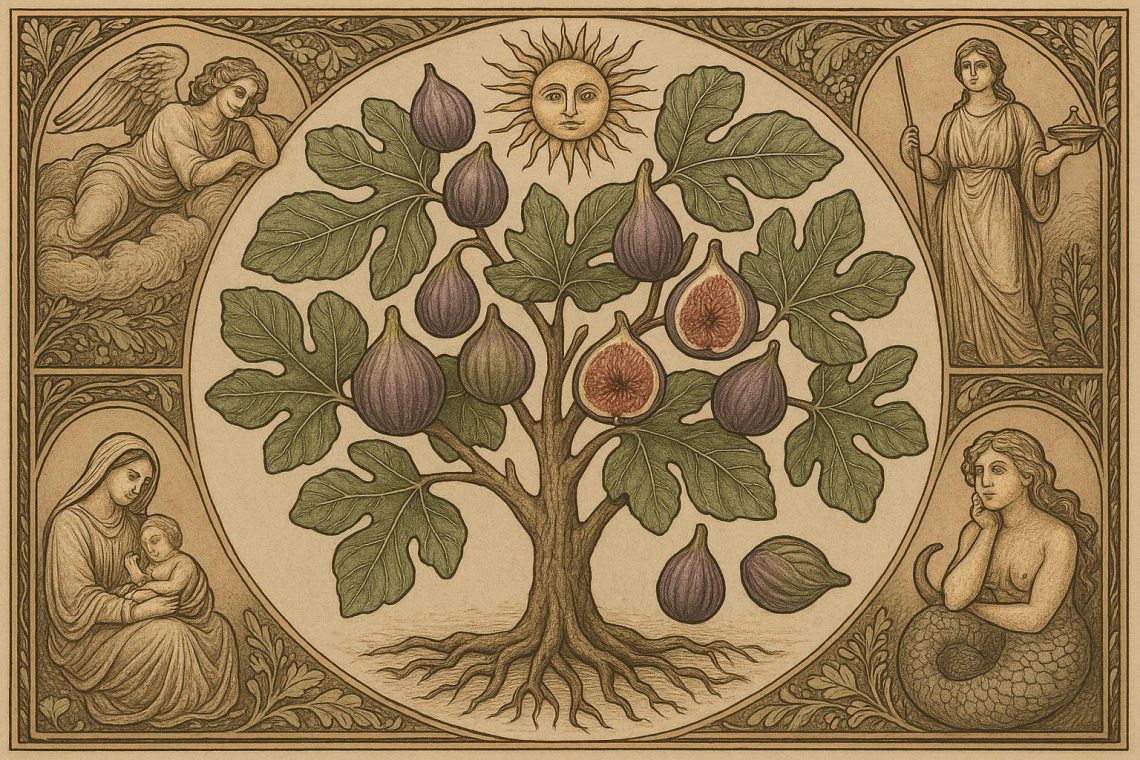
The Role of Fig Trees in Ancient Civilizations
The fig tree, recognized for its distinctive appearance and nourishing fruit, has occupied a notable place in the mythology and cultural practices of various ancient civilizations. Its significance transcends mere physical attributes, being deeply rooted in the sacred and symbolic connections it represented. The fig tree’s role in different historical contexts showcases its importance in ancient societies.
Fig Trees in Ancient Egypt
In ancient Egypt, the fig tree held profound spiritual and cultural significance. It was associated with several deities, notably serving as a symbol of abundance and wisdom. Among the different types of fig trees, the sycamore fig was particularly revered and worshipped as a tree of life. The Egyptians believed that the goddess Hathor, often depicted emerging from a fig tree, provided nourishment to the souls of the dead. Hathor’s connection to the fig tree signifies the tree’s role in the afterlife, as it was commonly planted near tombs to sustain the departed. The sacred fig not only provided sustenance but also represented eternal life, showcasing its multifaceted significance in ancient Egyptian culture.
The Fig Tree in Greek and Roman Mythology
In Greek mythology, the fig tree was a powerful symbol of fertility and creation. It was closely tied to the myth of the goddess Demeter, who, during her search for her daughter Persephone, found solace and nourishment in figs. This association underscores the fig tree’s representation as a provider and nurturer, themes that were integral to Greek mythology. The fig tree’s role extended beyond mythology to practical uses, as figs were a staple in the Greek diet, valued for their nutritional content.
Similarly, the Romans held the fig tree in high esteem. A significant legend related to Roman culture involves the founders of Rome, Romulus and Remus, who were said to be discovered under a fig tree. This narrative highlights the tree’s nurturing aspect, as it provided shelter and safety for the twins. The esteem in which Greeks and Romans held the fig tree reflects their understanding of its importance not merely in sustenance but in its essential symbolic embodiment of nourishment and protection.
The Significance in Indian Traditions
In Indian culture, particularly within Hinduism, the sacred fig, also known as *Ficus religiosa* or the Bo tree, holds significant spiritual meaning. It is famously associated with Siddhartha Gautama, who is revered as the Buddha. According to tradition, Siddhartha achieved enlightenment while meditating under this tree, transforming it into an enduring symbol of enlightenment and spiritual awakening. The tree’s presence is also prominent in Hinduism, where it is associated with Vishnu, one of the principal deities in the Hindu pantheon. Vishnu’s connection to the sacred fig underscores the tree’s role as a symbol of divine knowledge and spiritual growth.
The Bo tree is not only a religious icon but also a symbol of the continuity of life in Indian culture. Its expansive canopy and deep roots represent the interconnectedness of life, making it a living metaphor for strength and growth. In contemporary times, the tree continues to be a site for pilgrimage, where people seek spiritual solace and enlightenment.
The Fig Tree in Biblical Contexts
In the Christian tradition, the fig tree occupies an important place, appearing in various stories and parables in the Bible. Among the most notable references is its association with the story of Adam and Eve in the Book of Genesis. After consuming the forbidden fruit, Adam and Eve used fig leaves to cover their nakedness, symbolizing innocence lost and newfound shame. This narrative imbues the fig tree with a dual symbolism of both protection and the consequences of disobedience.
In the New Testament, the Gospel of Mark recounts Jesus’ encounter with a barren fig tree, which he curses, resulting in its withering. This parable is often interpreted as a lesson about fruitlessness and the importance of spiritual productivity. The fig tree serves as a metaphor for the consequences of not bearing the fruits of faith. Such stories highlight the fig tree’s continued significance as a vehicle for moral and spiritual teachings across the ages.
Contemporary Symbolism and its Legacy
In modern times, fig trees continue to symbolize peace, prosperity, and resilience in numerous cultures. They often appear as metaphors in literature and art, representing growth, abundance, and the cycles of life. The cultural narratives surrounding fig trees weave a rich tapestry of symbolism transcending time and geographical boundaries. Scholars and enthusiasts can find extensive analyses and interpretations of fig tree symbolism in various academic works and literature. These explorations reveal how deeply intertwined human societies are with nature and the symbolic meanings we ascribe to elements of the natural world that have surrounded us throughout history.
By delving into the myths and cultural histories associated with fig trees, one gains an understanding of humanity’s deep-rooted connections with nature. The symbolic meanings, such as nourishment, protection, wisdom, and enlightenment, assigned to fig trees reflect the essential roles these trees have played in various cultural narratives. The legacy of the fig tree is evident not only in historical texts and archaeological finds but also in the continued reverence and symbolic meanings it holds in contemporary contexts. From ancient deities to modern literary symbols, the fig tree exemplifies enduring cultural significance, reflecting humanity’s universal quest for understanding and connection with the environment.