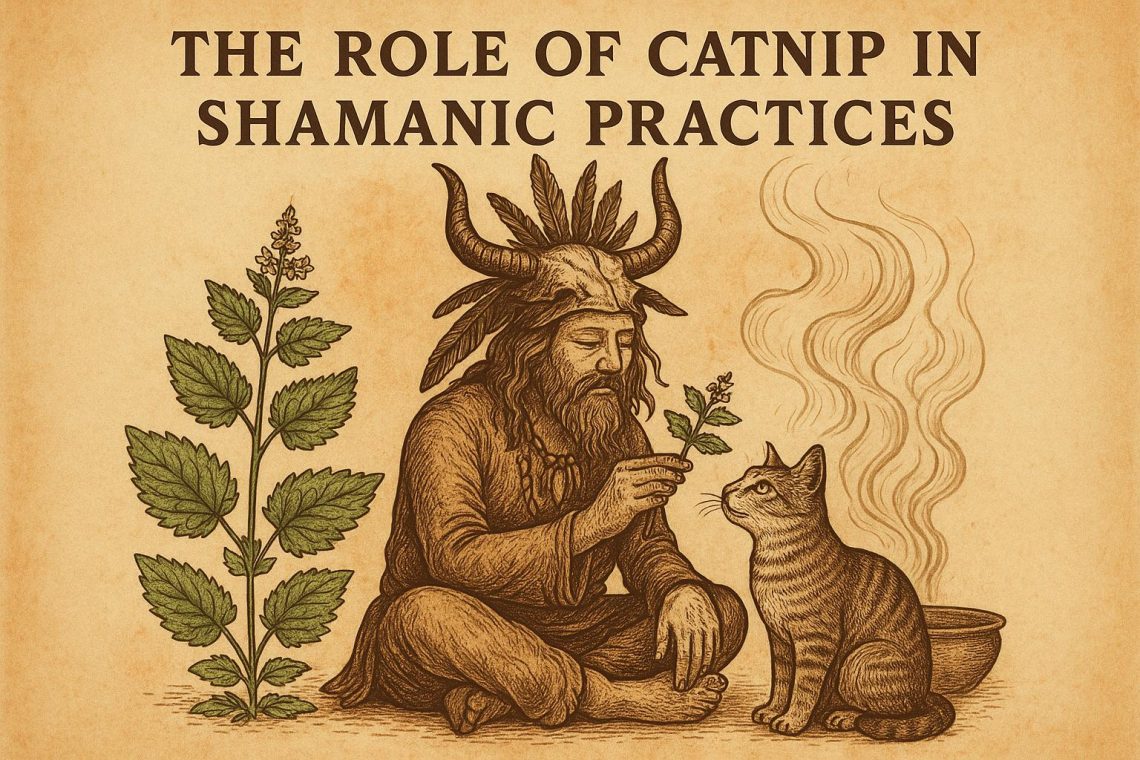
The Role of Catnip in Shamanic Practices
Catnip, scientifically referred to as Nepeta cataria, is a commonly recognized herb known for its intriguing effects on cats. Beyond its popularity as a recreational stimulant for felines, catnip holds a more profound significance in human culture, particularly in various spiritual and cultural practices, such as shamanism.
The Historical Context of Catnip
The historical use of catnip among humans spans several centuries. References to this herb can be found in ancient texts, and it has been a staple in traditional medicinal practices across Europe and Asia. In shamanic contexts, catnip’s properties are revered for their perceived capabilities in promoting spiritual well-being and healing.
Traditionally, catnip has been valued for its calming effects, providing relief for a variety of ailments. It has been used as a calming agent and sleep aid, in addition to being included in various herbal remedies. The properties that make it appealing to cats—such as its mild hallucinogenic effects—also play a significant role in its application in spiritual practices, particularly shamanism.
Catnip in Shamanic Rituals
Shamans are spiritual practitioners known for their ability to connect the spiritual and physical worlds, serving as intermediaries. Their practices often involve the use of a myriad of herbs to facilitate spiritual and healing rituals. While catnip is not as prominent as some other sacred plants, it is utilized in specific shamanic traditions for its perceived capacity to alter consciousness.
In the practice of shamanism, catnip is thought to possess mild psychoactive properties that assist in meditation and relaxation. These effects can help shamans and participants in a ritual achieve a state of mind conducive to spiritual and introspective exploration. By inducing a sense of calm, catnip aids in creating a focused, altered state of awareness, allowing practitioners to foster deeper connections with the spiritual realm.
Preparation and Use
The methods of preparing catnip for shamanic use vary, reflecting the purpose and tradition of the ritual. It is often made into a tea, smoked, or transformed into incense. These different preparations enhance catnip’s properties, making them suitable for various ceremonial intents.
Blends combining catnip with other sacred herbs are also common, crafted purposefully to achieve specific outcomes such as protection, divination, or dream enhancement. The art of creating these blends draws on vast generational knowledge and is considered an integral aspect of the shamanic practice. The process of blending is meticulous, with great care and respect given to each herb and its intrinsic power.
Contemporary Usage
Though catnip’s prominence in shamanic practices may have diminished over time, it still holds interest for individuals exploring herbalism and spiritual consciousness. Modern practitioners experiment with catnip, utilizing its properties in meditation, spiritual rituals, or personal introspective practices.
For those keen on exploring catnip within a shamanic framework, it is vital to approach this exploration with both respect and understanding. Recognizing the cultural and spiritual significance it possesses in various ancient traditions ensures that contemporary use does not overshadow its historical roots.
For individuals seeking to delve deeper into the use and significance of herbs within shamanic traditions, there exist numerous resources focused on the study and practice of shamanism. These resources can provide insightful perspectives and guidance for integrating such herbs respectfully and thoughtfully into their practices.
In conclusion, while catnip’s reputation is largely grounded in its influence on feline behavior, its applications within human culture are far more extensive. From its historical uses in traditional medicine to its shamanic applications as a tool for spiritual connection, catnip carries a legacy of both practical and mystical value. Understanding and respecting this legacy allows modern practitioners to responsibly integrate catnip into a broader context of holistic and spiritual practice. Whether for its soothing properties in a calming tea or its use in facilitating a meditative state, catnip continues to be a herb of multifaceted potential in the realm of human spirituality and healing.