Mandrake: Myths, Magic, and Medicine

Introduction to Mandrake

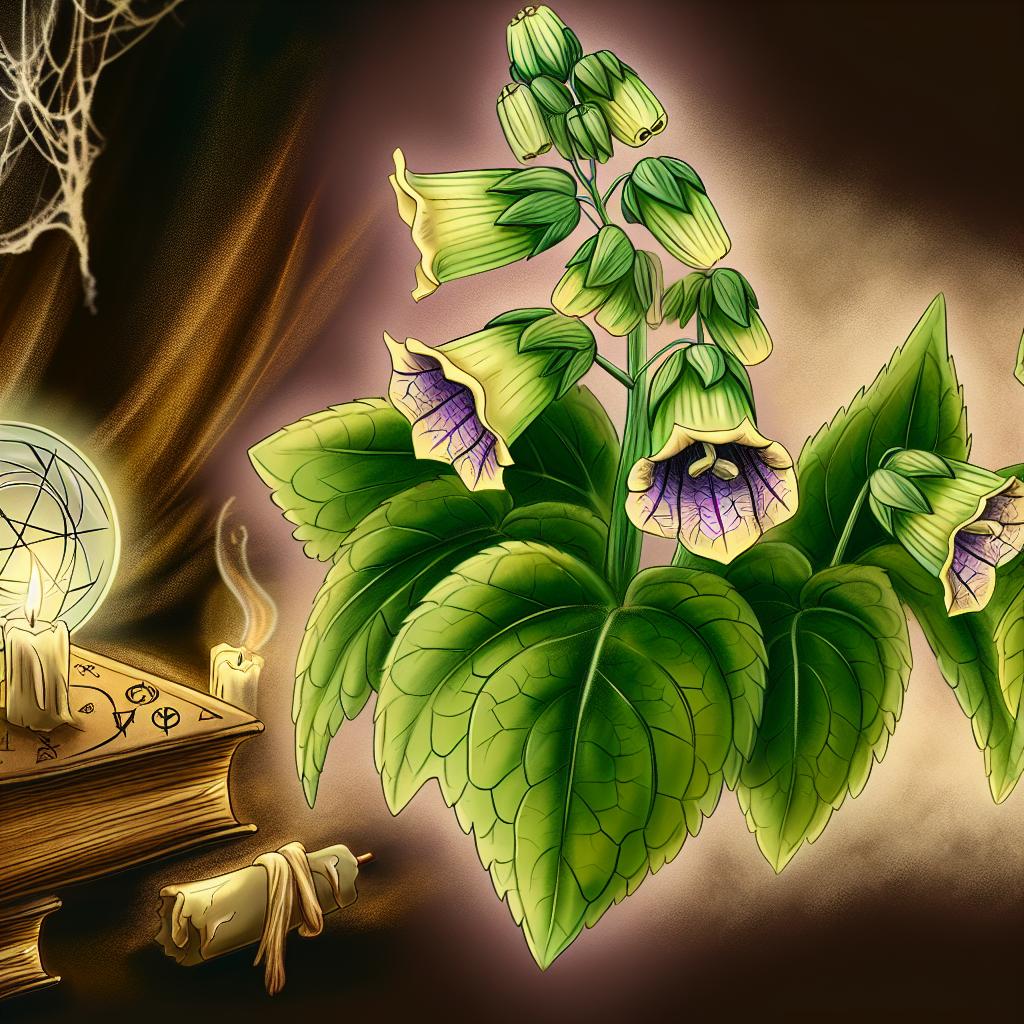
The mandrake plant, a member of the nightshade family, has captivated human imagination for centuries. Historically revered and feared, this plant has woven its way through myths, magic, and medicine. Mandrake’s root resembles the human form, which may be the origin of its mystical reputation.

Ancient Myths and Beliefs

The mandrake holds a rich presence in mythological tales. Its roots have been associated with numerous legends, particularly in ancient Europe and the Middle East. People often believed the plant screamed when uprooted, causing madness or death to those who heard it. As a result, various methods were devised to harvest the root. Some myths suggest tying the plant to an animal, often a dog, to pull it out, sparing human ears from its deadly cry.

The notion of the mandrake’s scream illustrates the combination of fear and reverence that surrounded this plant. The fear associated with its scream represents the broader awe of nature’s mysteries, while the human-like shape of the root suggests a connection to mystical forces, perceived as the earth’s embodiment of life and spirit.

The Role in Magic

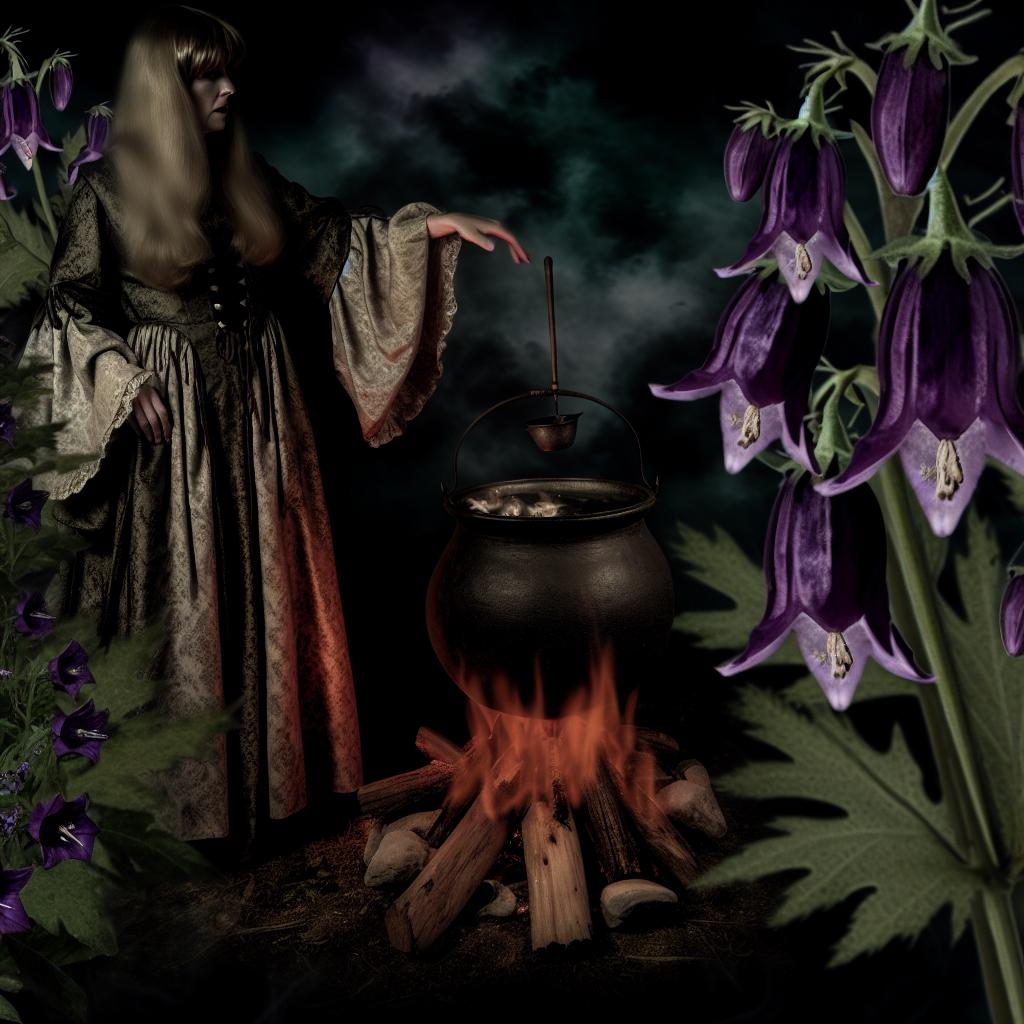
Mandrake’s mystical allure extends into magic and alchemy. In the Middle Ages, sorcerers and alchemists prized the plant for its supposed ability to enhance fertility, wealth, and even invisibility. The root’s human shape lent itself to use as a talisman or charm in magical rituals. In ritualistic contexts, mandrake was considered potent in love potions and protective spells.

The plant’s properties were integrated into various forms of magical practice, often with an understanding of herbalism mingled with mystical beliefs. In many cultures, mandrake was thought to ward off evil spirits, providing protection to those who possessed it. It also symbolized fertility, likely due to its humanoid resemblance, playing a significant role in rituals intending to increase procreation and vitality.

Medicinal Uses Through History

Despite its reputation for magic, mandrake has a long history in medicine. Ancient Greek physicians, like Dioscorides and Galen, documented its use as an anesthetic and sedative. During surgical procedures, the roots were processed into a concoction to numb pain and induce deep sleep. Mandrake’s medicinal qualities stem from alkaloids such as hyoscyamine and scopolamine, which can have powerful effects on the human nervous system.

Throughout history, the understanding and applications of mandrake in medicine have evolved. In ancient times, its use as an anesthetic marked a significant development in attempts to manage pain and conduct more complex surgical procedures. The roots were often made into a wine or a mixture that would be ingested to produce a calming effect, demonstrating an early exploration of pharmacology.

During the Renaissance, alongside the burgeoning fields of natural science and alchemy, practitioners began to document mandrake’s medicinal properties with increasing detail. Its sedative qualities were recognized and further explored, although always approached with caution due to its high toxicity levels.

Modern Understanding and Safety

With advancements in medicine, the use of mandrake has largely diminished. Modern pharmacology recognizes the toxic potential of its alkaloids, which can cause potentially dangerous effects if consumed. While it contributes to historical medical knowledge, its importance in contemporary practices is limited.

Today, mandrake serves more as a botanical curiosity and a topic of historical interest rather than a component of modern therapeutics. Its active constituents, while toxic, have aided in the broader understanding of certain chemical compounds that influence the nervous system and have informed the development of safer, more effective pharmaceuticals.

In modern herbalism, mandrake is seldom used due to the risks associated with its consumption. Its story is told more often in courses on ethnobotany and historical medicine, highlighting how ancestral societies utilized their natural environments in ways that combine observation, experimentation, and lore.

For more scientific information on the plant and its uses, you can refer to academic journals and studies that investigate its chemical properties and historical impact. It’s essential to approach mandrake with caution and respect, given its toxic nature and historical significance.

In understanding mandrake, we uncover a fascinating intersection of myth, magic, and medicine that spans human history, blending cultural stories with botanical and medicinal exploration. The plant’s journey from a feared element of folklore to a subject of scientific scrutiny exemplifies the evolution of human knowledge. From ancient rituals to modern safety standards, mandrake symbolizes the deep and often complex relationship between humans and the natural world.

As we continue to examine plants like mandrake within the context of their historical and cultural significance, we enrich our perspective and respect for the intricate tapestry of human history, where natural phenomena often inspire tales that transcend purely botanical definitions. Through such studies, we acknowledge not only the mystique of the past but also the rational curiosity that drives modern scientific inquiry.

The Sacred Role of Basil in Hindu Rituals

The Significance of Basil in Hinduism

In the vast array of plants that hold religious importance worldwide, basil, known as Tulsi in Sanskrit, occupies a sacred space in Hindu rituals. Its relevance extends beyond its aromatic properties, encompassing profound spiritual significance. Basil’s role in Hinduism reflects a unique intersection of religion, culture, and health, making it an essential element in the daily lives of many Hindus.

Cultural and Religious Importance

In Hinduism, basil is revered akin to a goddess, symbolizing purity and devotion. It is often associated with the deity Vishnu and his incarnations, such as Krishna and Rama. This sacred plant is frequently found in Hindu households, typically grown in courtyards. This practice goes beyond harnessing the medicinal benefits of the plant; it is believed to purify surroundings and generate positive energy within the environment.

The reverence for Tulsi is deep-rooted and multi-faceted. Hindus believe that the plant embodies the goddess Lakshmi’s qualities, representing health, wealth, and prosperity. Tulsi is considered the earthly manifestation of the goddess, linking it to major Hindu deities and their divine narratives. Thus, caring for the Tulsi plant is not just an act of horticulture but a religious duty and a manifestation of devotion.

Associated Legends

Numerous legends explain the sanctity of Tulsi in Hindu culture. One prevalent story involves Vrinda, a pious woman and a devotee of Lord Vishnu. According to the legend, Vrinda’s unwavering devotion led to her transformation into the Tulsi plant by Lord Vishnu as a mark of her piety. This narrative serves as a foundation for Tulsi’s integral role in worship practices, particularly during the Tulsi Vivah ceremony, wherein the plant is symbolically married to Vishnu. This ceremony commemorates Vrinda’s devotion and her unyielding fidelity.

Another tale describes the Tulsi plant as associated with the demon Jalandhar and his wife, Vrinda. Vrinda’s chastity was believed to protect Jalandhar, thereby making him invincible. Lord Vishnu, to uphold cosmic order, disrupted Vrinda’s marital fidelity, leading to Jalandhar’s downfall. In her grief, Vrinda immolated herself, and from her ashes, the Tulsi plant emerged, embodying her purity and devotion. Thus, Tulsi is worshipped as a brave and devoted soul who symbolizes ultimate sacrifice.

Use in Rituals

In Hindu rituals, basil holds an indispensable position. Its leaves are a vital component in daily worship and ritualistic offerings, known as pujas. Devotees commonly use the Tulsi leaves in offerings, symbolizing purity and the removal of negativity. It is widely believed that Tulsi leaves have the power to cleanse the environment, purifying the mind, body, and soul of the devotee engaged in worship.

Additionally, Tulsi is used during various rites and ceremonies. It plays a prominent role in wedding rituals and other significant life events. During these ceremonies, Tulsi is not only included in offerings but is also an integral part of the altar setup. The leaves are often placed alongside other sacred offerings like flowers, incense, and food items devoted to the deities.

The reverence of Tulsi extends beyond daily pujas. During special festivals like Kartik Purnima, devotees adorn their homes with garlands made of Tulsi leaves. Houses are filled with the aroma of Tulsi, which is considered to cleanse the aura, bringing peace and spirituality into the living space.

Medicinal Attributes

Apart from its religious significance, Tulsi is highly esteemed for its medicinal properties, which have been acknowledged and utilized for centuries. Known for its healing qualities, Tulsi is an essential component in Ayurvedic treatments, harnessing its health benefits to promote well-being. As a symbol of life and health, Tulsi is believed to have properties that enhance longevity and maintain balance within the body.

Tulsi’s essential oils are known for their anti-inflammatory, anti-bacterial, and anti-fungal properties. These properties make it a popular natural remedy for a plethora of ailments, from stress relief to respiratory ailments. Its antitussive compounds make it particularly effective in treating coughs and colds, a common feature in Ayurvedic healthcare systems.

Moreover, Tulsi plays a role in stabilizing blood sugar levels, thereby benefiting individuals with diabetes. Its adaptogenic properties equip the body to combat stress and restore physiological homeostasis.

By including Tulsi in daily dietary and healthcare practices, individuals not only adhere to traditional Ayurvedic wisdom but also honor a sacred symbol deeply rooted in Hindu spirituality. Families often use Tulsi leaves in concoctions and teas aiming to utilize the plant’s health-giving properties in a holistic manner, bridging religion with health in everyday life.

For further reading on the historical context and botanical attributes of basil, you can explore this detailed resource.

In summary, basil is not merely seen as a plant in Hinduism but as a symbol of purity and devotion. Its deep-rooted relevance in the religion highlights the intertwined nature of spirituality and nature in Hindu philosophy. The Hindu worldview encapsulates the significance of plants like Tulsi not just as components of the natural world but as embodiments of divine qualities. This intertwining of the sacred and the natural underscores the significance of Tulsi as a beacon of faith, excelling in its roles of nurturing spiritual and physical well-being. The respect for Tulsi continues to be an enduring part of Hindu culture, bridging the sacred with the functional in daily life.