Content:
Introduction to Rue
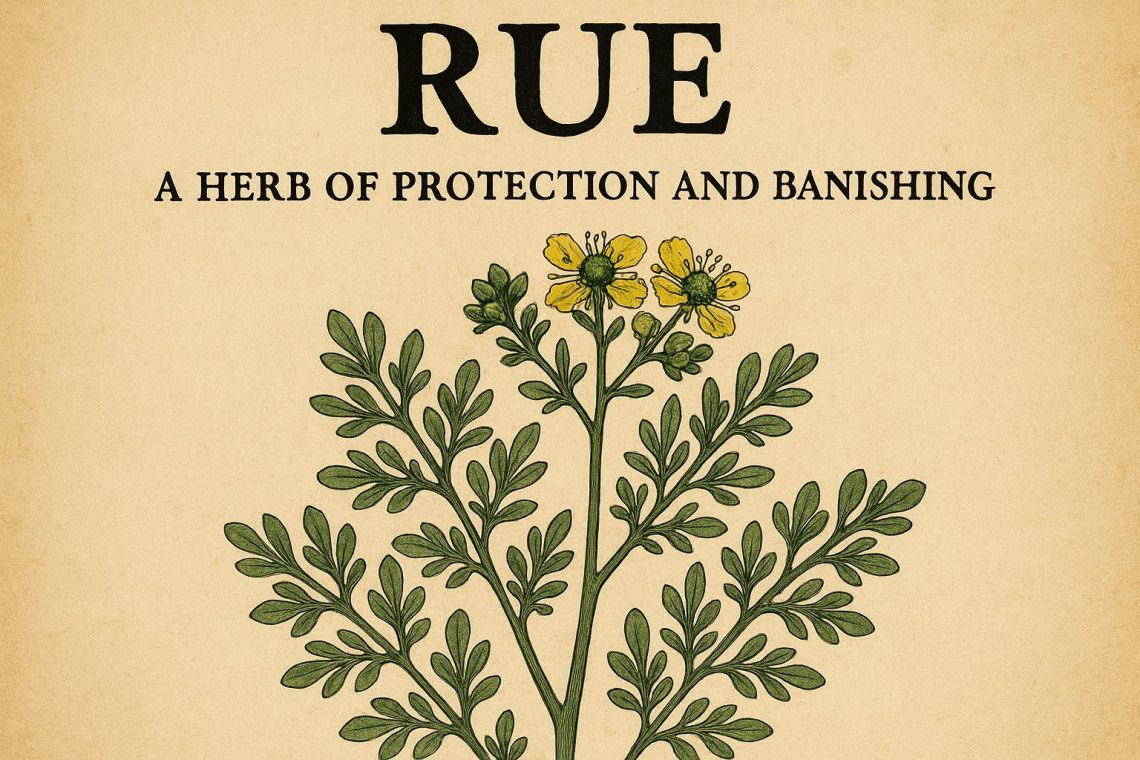
Rue, scientifically known as Ruta graveolens, is a perennial herb that has built a reputation over centuries due to its historical and varied usage, most notably for protection and banishing practices. This plant has not only been a part of gardens but also a significant element in cultural and spiritual contexts owing to its reputed protective qualities.
Historical Background
The reverence for rue spans ancient times and diverse civilizations. In ancient Greece and Rome, rue was not just a plant but a mystical guardian, believed to fend off evil spirits and negative energies. It was thus embraced by herbalists and spiritual practitioners who attributed to it the ability to purify and cleanse both physical environments and metaphysical realms. This protective symbolism associated with the plant was a cornerstone in many traditions.
Cultural Significance
Throughout history, rue has held a significant position in various religious and cultural rituals. Its integral role in sacred ceremonies was to shield individuals against malevolent forces, a reputation that granted it a ubiquitous presence in home gardens and spiritual practices, all aimed at ensuring safety and peace. Rue’s cultural presence is not limited to a single region or era, as its use spans diverse practices worldwide, each adapting the herb to fit their unique rituals and belief systems.
Scientific Aspects
From a scientific standpoint, the botany of rue offers insight into its unique traits among herbs. Part of the Rutaceae family, rue is identifiable by its strong aroma and distinctive bitter taste. This herb produces essential oils rich in compounds that have been the subject of scientific studies, mainly for their potential antimicrobial properties and insect-repellent abilities. While rue is not prominent in mainstream medicine today, its essential oils and extracts are occasionally explored in scientific inquiries seeking alternative and complementary health solutions.
Modern Applications
Despite its diminished role in contemporary medicine, rue has not completely disappeared from herbal remedies and spiritual practices. In modern usage, while still held in high regard for its protective attributes, it gains interest from alternative medicine practitioners who value it for purported health benefits. Yet, it is crucial to note that the scientific evidence supporting these health claims remains limited, and further research is often necessary to substantiate such uses fully.
For those interested in integrating rue into their practices or gardens, it is essential to balance its historical importance with an understanding of its modern applications. Recognizing the plant’s nature is vital, especially regarding its potential toxicity when ingested in excessive quantities, highlighting the importance of informed and safe usage.
Conclusion
Rue continues to intrigue as an herb with profound historical and spiritual roots. Its ongoing presence in both cultural and spiritual realms underscores its enduring significance as a symbol of protection and banishment. Whether viewed through the lenses of history, culture, or science, rue presents itself as a subject deserving of continued exploration and respect. Its legacy as a mystic and protective herb remains, suggesting that despite the changes over time, some traditions hold firm, continuing to inspire and guide modern practices.