Content:
The Role of Carob in Middle Eastern Traditions
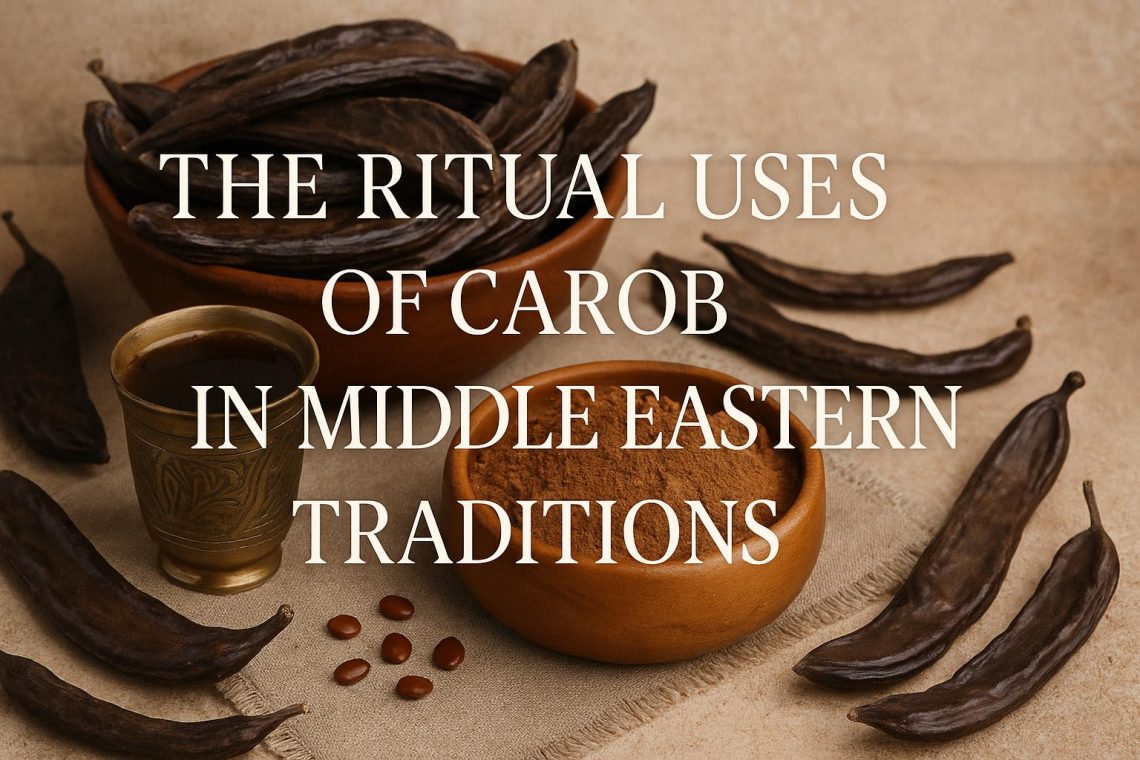
Carob, scientifically known as Ceratonia siliqua, is an evergreen tree principally found in the Mediterranean basin. It holds substantial significance in various Middle Eastern cultural and religious traditions, being integral to rituals and ceremonies due to its seeds and pods.
Historical Significance
The historical importance of the carob tree is substantial across numerous Middle Eastern cultures, where it’s appreciated for its ability to endure in harsh environments. This resilience earned carob a place as a symbol of survival and perseverance. In ancient texts and folklore, carob seeds, or locust beans, frequently appear, emphasizing their sacred role throughout history. The recurrent mention of carob in these texts suggests its profound spiritual and cultural value, woven into the fabric of historical narratives and community life. Amidst legend, carob features as an emblem of continuity, representing both physical nourishment and spiritual sustenance.
Ritualistic Uses
Across the Middle Eastern region, carob pods are instrumental in various ritualistic practices. Fertility ceremonies in some areas prominently feature carob, especially during rituals intended to ensure plentiful harvests. During these ceremonies, the burning of carob pods as incense creates symbolic ties between the earthly and the divine. These practices highlight how the carob isn’t just a physical object of use; it embodies ideals and spiritual beliefs that have been sustained across generations.
Ceremonial Food and Drink
Beyond its ritualistic applications, carob plays an important role in culinary traditions associated with religious ceremonies. In Jewish customs, for example, carob consumption is a feature of Tu BiShvat, the New Year of the Trees. This celebration venerates trees and nature, symbolizing a renewal of the environment and human connection to natural cycles. Carob’s inclusion in this festival exemplifies its symbolic function, as it represents continuity, natural harmony, and ecological mindfulness—a plant that encourages respect for the bounty of nature.
The Symbolism of Carob
Carob, with its associations with strength and sustainability, is often included in blessings and offerings. This symbolic significance makes it popular in the act of hospitality, where carob pods are often presented to guests as a sign of welcoming and goodwill. This practice mirrors the broader cultural ideals enriched by carob, expressing prosperity through its direct connection to life, endurance, and abundance. Communities thus elevate carob far beyond a mere plant, attributing it symbolic stature and embedding it into social customs and mutual respect practices.
Modern Uses and Continuation of Traditions
In contemporary times, carob maintains its presence in Middle Eastern customs, though not as pervasive in rituals as in ancient periods. However, the cultural and ecological heritage linked to carob persists robustly. Modern adaptations of carob include its conversion into carob syrup and various carob-based desserts. These adaptations not only exemplify continuity in culinary traditions but also reinforce carob’s symbol as a pillar of life, being a sustainable ingredient bolstered by tradition. Consequently, carob keeps enriching lives and celebrations, acting as a bridge to the past while catering to present-day palates.
The meaning ascribed to carob in today’s context illustrates its sustained cultural legacy. While contemporary society might employ carob differently, the underlying appreciation and symbolism continue to thrive, delineating a narrative of tradition irrespective of generational shifts in cultural practices.
Conclusion
Carob’s connection with Middle Eastern traditions highlights its immense cultural and spiritual significance. Its role in rituals, ceremonies, and contemporary culinary practices underscores its journey from a botanical element to a profound emblem of cultural identity and continuity. The enduring legacy of carob proves it a timeless symbol, crucial to cultural expressions and sustaining longstanding ties that span historical epochs and modern-day innovations. Carob continues to play a versatile role, binding history with the present, tradition with modernity, in the colorful tapestry of Middle Eastern cultural abundance.