Content:
The Historical Significance of Saffron
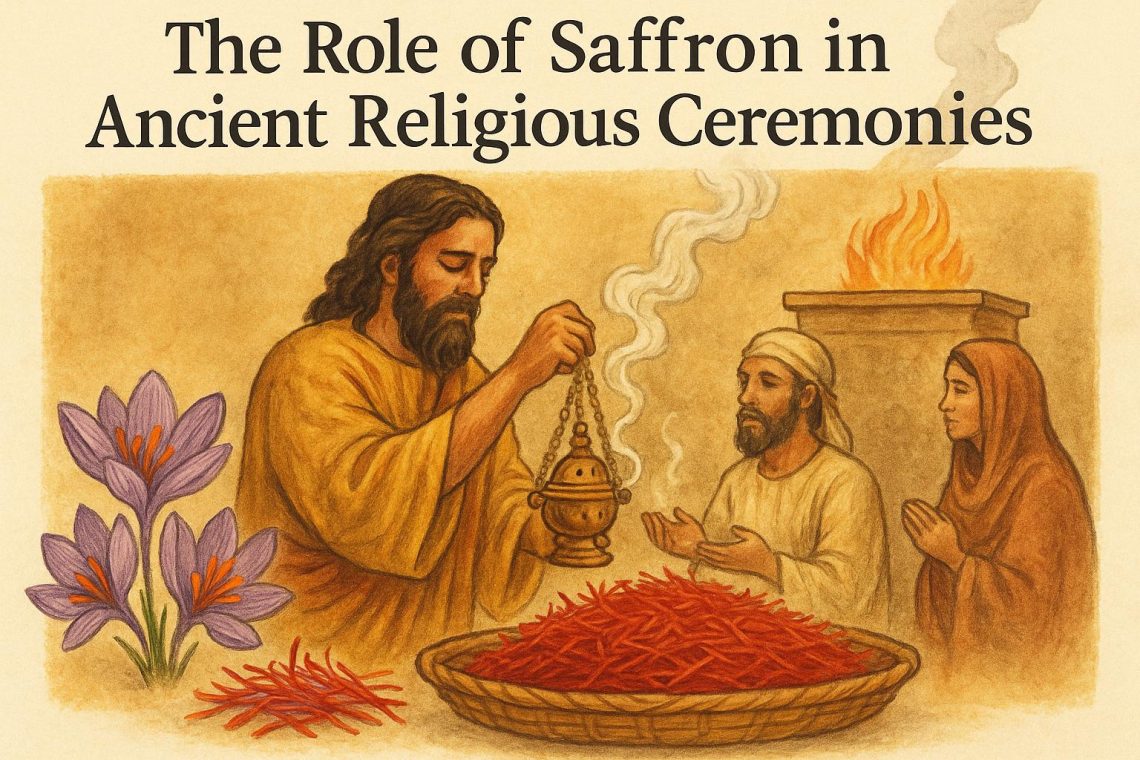
Saffron, a highly valued spice derived from the flower of *Crocus sativus*, has held an esteemed place in various cultures throughout history. Known for its vivid hue and distinctive aroma, saffron’s use extends beyond the culinary realm into religious and ceremonial practices.
Origins and Ancient Use
The history of saffron is rich and varied, rooted deeply in ancient civilizations such as those in Persia, India, and the Mediterranean region. Its cultivation and usage date back thousands of years and are intertwined with myth and legend. Saffron’s introduction into religious rites is believed to correlate with its rarity and perceived mystical properties. The spice was often associated with deities and immorality, highlighting its elevated status within these early societies.
In ancient Persia, saffron was a prized commodity believed to bring joy and enlightenment. There are accounts of Persian kings using saffron in their baths and perfumes to signify wealth and power. Similarly, in Egypt, it was used in the embalming process due to its fragrant properties and preservative qualities, emphasizing its connection to life after death.
Saffron in Hindu Ceremonies
In Hinduism, saffron is intertwined with ritualistic purity and spiritual elevation, making it an integral part of various ceremonies. It is commonly used in religious offerings and to anoint deities during these sacred practices. The hue of saffron, resembling the golden light, holds significant symbolic meaning, representing sanctity and purity within Hindu tradition. Its use is prevalent during key life events such as weddings and sacred rites. Read more about saffron in Hindu rituals.
In traditional Hindu weddings, saffron is often used to create an auspicious and sacred ambiance. It is applied in various forms, such as in the ‘Haldi’ ceremony, where a paste containing saffron is applied to the bride and groom for blessings. These practices underscore saffron’s continued importance in cultural and spiritual activities.
Use in Ancient Greek and Roman Rituals
The ancient Greeks and Romans also revered saffron, incorporating it into their mythology and religious traditions. It was prominent in their rituals, used as offerings to gods and during funerary practices to signify eternal life. Such practices underscore the importance of saffron in symbolizing transition, spiritual purity, and divinity.
In Greek mythology, legends speak of saffron as the result of the tragic love story between Crocus and Smilax, where the gods turn Crocus into the beautiful saffron flower. This myth reinforces the mystical and transformative symbolism of saffron in ancient Greek culture. Additionally, in Roman society, saffron was known to be a luxury commodity used in perfumes, dyes, and even the renowned Roman baths to create an atmosphere of opulence and divinity.
Saffron in Buddhist Practices
Buddhism holds saffron in high regard, particularly in the context of attire. Buddhist monks are renowned for their saffron-dyed robes, which are a symbol of humility, renunciation of materialistic life, and dedication to spiritual enlightenment. The deep orange-golden color represents the quest for knowledge, purity, and non-attachment to worldly possessions, which are essential tenets of Buddhism.
The practice of wearing saffron robes is more than just ceremonial; it embodies the monk’s journey and commitment to the teachings of Buddha. It serves as a constant reminder of their aspirations towards Nirvana, or enlightenment, a central goal in Buddhist spiritual practice.
Cultural and Religious Significance
The enduring allure of saffron in religious ceremonies is largely attributable to its scarcity and intricate cultivation process, endowing it with an aura of exclusivity and power. This very rarity has made saffron a symbol of wealth and status across various cultures throughout history.
In addition to religious significance, saffron is also believed to possess medicinal properties. Many cultures have turned to saffron for its potential healing abilities. From traditional medicine in Persia and India to its incorporation in ancient Chinese East Asian medical practices, saffron has often been administered as a treatment for an array of ailments, capturing humanity’s quest for harmony between the body and spirit.
Modern Interpretations and Practices
While the ancient religious significance of saffron persists, its role has evolved in contemporary contexts. Today, saffron continues to play a part in cultural festivals and rituals, acting as a bridge between the historical past and modern spiritual practices. Due to its captivating color and unique aroma, its usage has transcended religious confines and entered culinary, medicinal, and even fashion realms. Explore modern uses of saffron in rituals.
In modern gastronomy, saffron remains a coveted ingredient, used to elevate the flavor profile of dishes around the world. Chefs embrace its rich history and complex flavor for dishes that demand a touch of sophistication and tradition. Additionally, in the realm of wellness and skincare, saffron is celebrated for its antioxidant properties, which are believed to offer various health benefits.
Contemporary art and design have also seen saffron’s permeation, using the color for its aesthetic appeal and historical resonance. Its application in textiles and fashion serves as a nod to its historical significance while embracing new cultural narratives.
Conclusion
The role of saffron in ancient religious ceremonies underscores its multifaceted significance across various cultures. As both a physical and symbolic element, saffron testifies to humanity’s deep connection to the natural world and the sacred rites that define cultural heritage. Even today, it remains a powerful symbol of life, sanctity, and continuity, reflecting the ongoing importance of ancient practices in a modern world. While its role has evolved through centuries, the reverence for saffron continues, illustrating an ageless link between the past and present.