Content:
Yarrow: Its Historical and Modern Role in Wound Healing
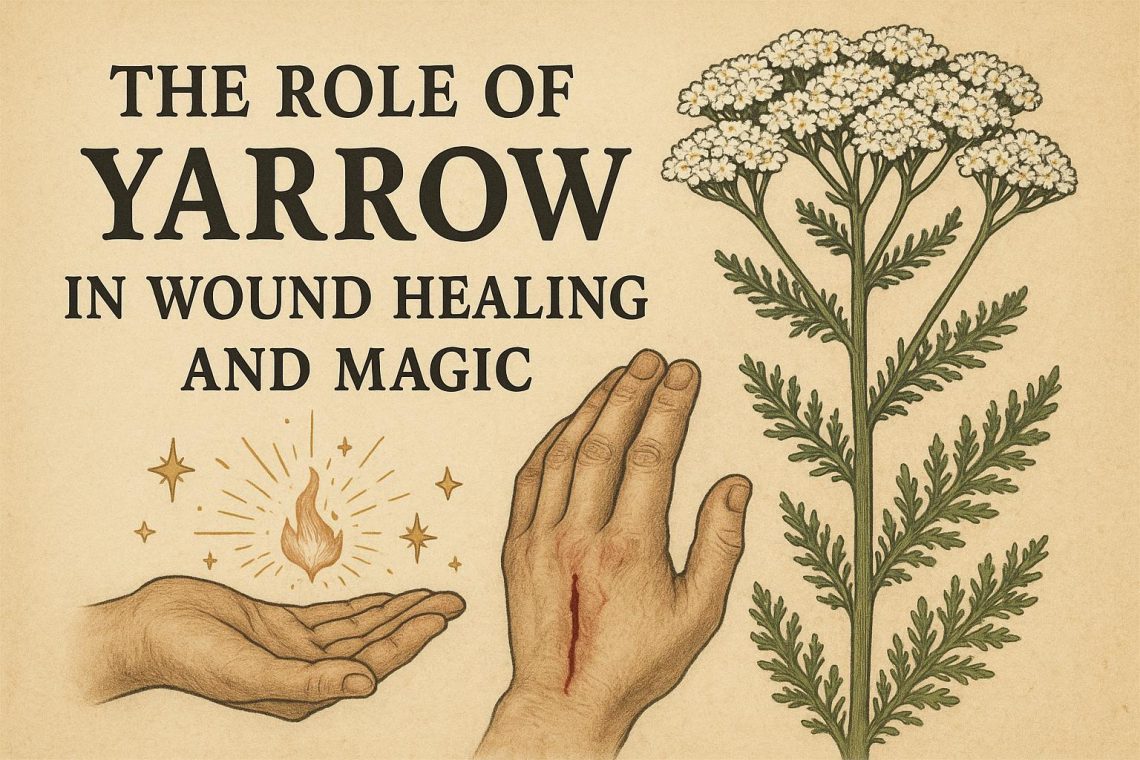
Yarrow, scientifically known as Achillea millefolium, is distinguished by its delicate, feathery leaves and clusters of small, white flowers. Its reputation as a healing herb is well-documented across history and geography. For centuries, this versatile plant has been esteemed for its astringent and anti-inflammatory properties, making it a staple in both traditional and modern herbal medicine, particularly for healing wounds. Over time, yarrow has transitioned seamlessly from ancient battlegrounds to modern holistic medicine practices, maintaining its status as a valuable natural remedy.
Historical Use in Wound Healing
Throughout history, yarrow has been revered for its ability to mitigate bleeding and foster wound healing. Stories surrounding its name attribute its origin to Achilles, the legendary Greek hero who purportedly used it to treat his soldiers’ injuries during battles. This narrative highlights the plant’s longstanding association with battlefield medicine. Ancient warriors would reportedly apply crushed yarrow leaves and flowers directly to their wounds, exploiting its hemostatic properties to staunch bleeding and expedite recovery.
Beyond its battlefield applications, yarrow was incorporated into a variety of traditional healing practices across cultures. Native American tribes, for example, employed yarrow not only for treating external injuries but also to address internal ailments. It was used to alleviate digestive disorders and reduce fevers, showcasing its diverse medicinal applications.
Mechanism of Action
Modern scientific investigation has begun to unravel the botanical mechanisms underlying yarrow’s therapeutic effects. The plant harbors several bioactive compounds, including flavonoids, tannins, and alkaloids, that work synergistically to deliver its esteemed therapeutic benefits. These compounds possess anti-inflammatory, antimicrobial, and antioxidant properties, all of which bolster wound healing.
Anti-inflammatory Effect: One of yarrow’s prominent properties is its ability to diminish swelling and inflammation. This contributes to reducing pain and accelerating the healing process, rendering it particularly effective for minor cuts and abrasions.
Antimicrobial Properties: Yarrow’s capacity to inhibit the growth of certain bacteria and fungi makes it a valuable ally in preventing infections. By creating a safer healing environment, yarrow ensures the wound remains uninfected during the healing process.
Antioxidant Capacity: The antioxidant components in yarrow play a critical role in protecting cells from oxidative damage by scavenging free radicals. This protection is crucial, as oxidative stress can otherwise impede the body’s natural healing mechanisms.
Contemporary Usage
In contemporary times, yarrow continues to be favored by herbalists and enthusiasts of alternative medicine. Its modern-day applications are varied, appearing in forms such as tinctures, teas, and topical salves. While its benefits for wound healing remain recognized, yarrow is equally valued for its contributions to digestive health and its ability to ease menstrual discomfort.
Individuals interested in incorporating yarrow into their health routines should prioritize sourcing the herb responsibly. It is advisable to consult with healthcare professionals before use, particularly for those with allergies to related plants such as daisies or chrysanthemums, to mitigate potential adverse reactions.
Yarrow in Magic and Folklore
Beyond its pragmatic medicinal applications, yarrow holds an esteemed position within the mystical traditions of numerous cultures. It carries associations with protection and divination, frequently featuring in rituals and ceremonies designed to harness its spiritual potential.
In many European folklore traditions, yarrow was believed to ward off malevolent spirits. To harness its protective abilities, people would often hang yarrow over doorways or incorporate it into amulets. The plant’s association with love and prophecy is also prominent, historically utilized in spells designed to predict romantic futures.
In modern witchcraft and pagan traditions, yarrow continues to find a place in rituals. Practitioners value it for its harmonizing qualities and its perceived ability to connect them with both natural and spiritual realms. Yarrow’s continuing role in these practices attests to its mystical allure and its enduring presence as a connecter of past and present traditions.
Conclusion
Yarrow’s diverse roles in healing and magic illuminate its longstanding significance through the ages. While contemporary science affirms many of its traditional uses, yarrow’s place in folklore and mystical practices continues to intrigue those interested in the natural world’s powers. For those drawn to its benefits, further exploration of yarrow’s applications can yield both practical insights and spiritual exploration, rooted in a storied history of human interaction with this venerable herb. A deeper understanding of yarrow offers a unique opportunity to engage with a plant that harmoniously blends the realms of health, myth, and the natural world.