Content:
The Historical Role of Violet in Love Charms
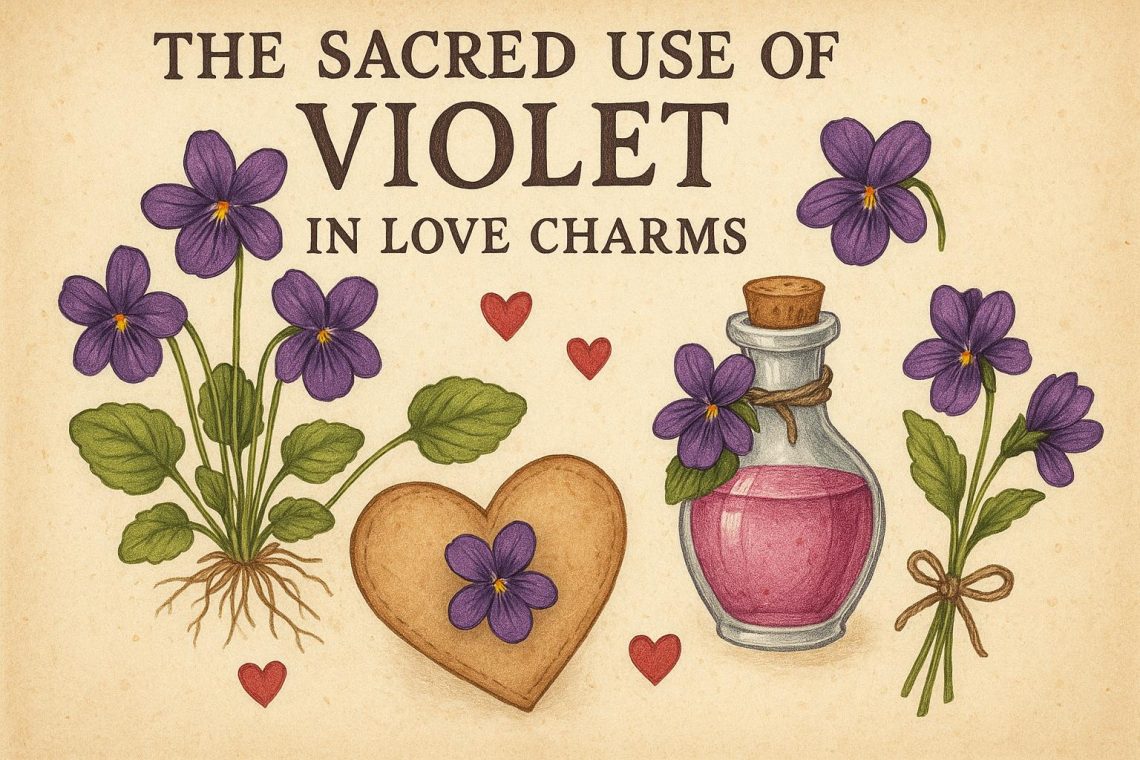
The violet flower has played a significant role in various cultural practices, especially in the domain of love charms. Known for its vibrant color and subtle fragrance, the violet has been regarded as a symbol of love and romance across several societies historically. Its integration into love charms can be traced back to ancient times, highlighting its long-standing association with romantic and emotional bonds.
Symbolism of the Violet
The violet is often associated with modesty and humility, qualities that are believed to enhance genuine affection and love. Many cultures see the violet as a representative of a spiritual or mystical connection, thereby making it an apt choice for love charms aimed at fostering deep, emotional bonds. Historically, the violet’s subtle yet striking appearance has been linked to the nuanced nature of true love, which is often characterized by layers of understanding and empathy.
In various traditions, violets are thought to embody a gentle strength. They do not boast the flamboyance of larger blooms, yet they hold a dignified presence, much like the understated power inherent in lasting bonds of love. The choice of violets in charms and rituals reflects an awareness of love’s quiet perseverance, emphasizing that true affection persists even amidst challenges.
Cultural Practices Involving Violet
In European folklore, using violet in love charms was thought to ensure fidelity and a strong, loving relationship. For instance, ancient Greeks and Romans often incorporated violets into their rituals aimed at strengthening romantic ties. The belief was that the flower’s enchanting aroma and appeal could captivate one’s lover and ensure enduring affection. In Roman mythology, the violet is linked with the story of Venus and Adonis, with the violet’s color symbolizing the passion and sometimes bittersweet nature of love.
Violet in Ancient Rituals
The sacred use of violet was profound in ancient rituals where it was not uncommon to weave violet garlands for couples during ceremonies. This practice was rooted in the idea that violets could ward off evil spirits and bring good fortune to relationships. Moreover, these ancient traditions involved placing violets around sacred altars dedicated to deities of love and fertility, signifying the flower’s integral role in securing divine support in romantic endeavors.
There is also evidence that violets were used in various love potions, concoctions which were believed to amplify intrinsic virtues necessary for love, such as patience and tenderness. Such potions were carefully prepared by skilled practitioners who understood the complexities attributed to these blooms. Today, historical texts often recount these practices, offering insight into how deeply valued violets were across different civilizations.
Modern Interpretations and Uses
Today, the violet continues to be used in modern love charms, often combined with other elements like rose petals and lavender, to enhance its effects. The extraction of violet essence is popular in perfumes, which are sometimes employed in contemporary love rituals, believed to evoke passion and companionship. Florists and aromatherapists alike appreciate the violet for its dual ability to retain folklore significance and hold practical application in modern times.
Violet Essences and Perfumery
Violet essence is frequently used in perfumery, with many believing that its delicate scent can be instrumental in love charms. The idea is that the perfume containing violet can create an aura of attraction and enkindle romantic feelings. Perfumers today continue to hold violet in high regard due to its ability to blend harmoniously with a variety of other floral and herbal notes, allowing for complex scents that captivate and allure.
The application of violet essence extends beyond just personal use; it is also utilized in creating an atmosphere conducive to love and romance. Many have adopted the practice of diffusing violet essence in homes, creating spaces filled with an ambience that is both soothing and inviting. This practice is reflective of the belief that environment plays a crucial role in cultivating emotional harmony and connection.
Scientific Perspectives
From a scientific angle, violets contain certain compounds that contribute to their pleasant aroma. One such compound, ionone, is responsible for the distinct violet scent and is widely used in the fragrance industry. While there is no empirical evidence to support the efficacy of violets in love spells or charms, their symbolic and historic value is undeniable. The placebo effect and the power of belief often amplify the impact of such practices. It is well-documented that fragrance can trigger memory and emotion, suggesting that the aromatic qualities of violets can indeed play a role in evoking sentimental experiences associated with love.
Scientific studies into olfactory processes suggest that our sense of smell is closely linked to the brain’s limbic system, which is involved in emotion, behavior, and memory. This connection proposes a possible explanation for how violets, or any aromatic plant or flower, might play a role in influencing emotions and interpersonal dynamics, though typically through indirect means rather than outright magical effects.
In conclusion, the use of violet in love charms marries the flower’s historical and cultural significance with its natural allure. While modern science doesn’t necessarily validate the mystical properties attributed to the violet, its esteemed place in traditional love rituals continues to inspire those who believe in its charm. The enduring legacy of the violet reflects a broader human desire to find meaning and connectivity within nature, using its symbols to enhance and express some of our most profound emotions and experiences.