Content:
The Importance of Cacao in Mesoamerican Civilizations
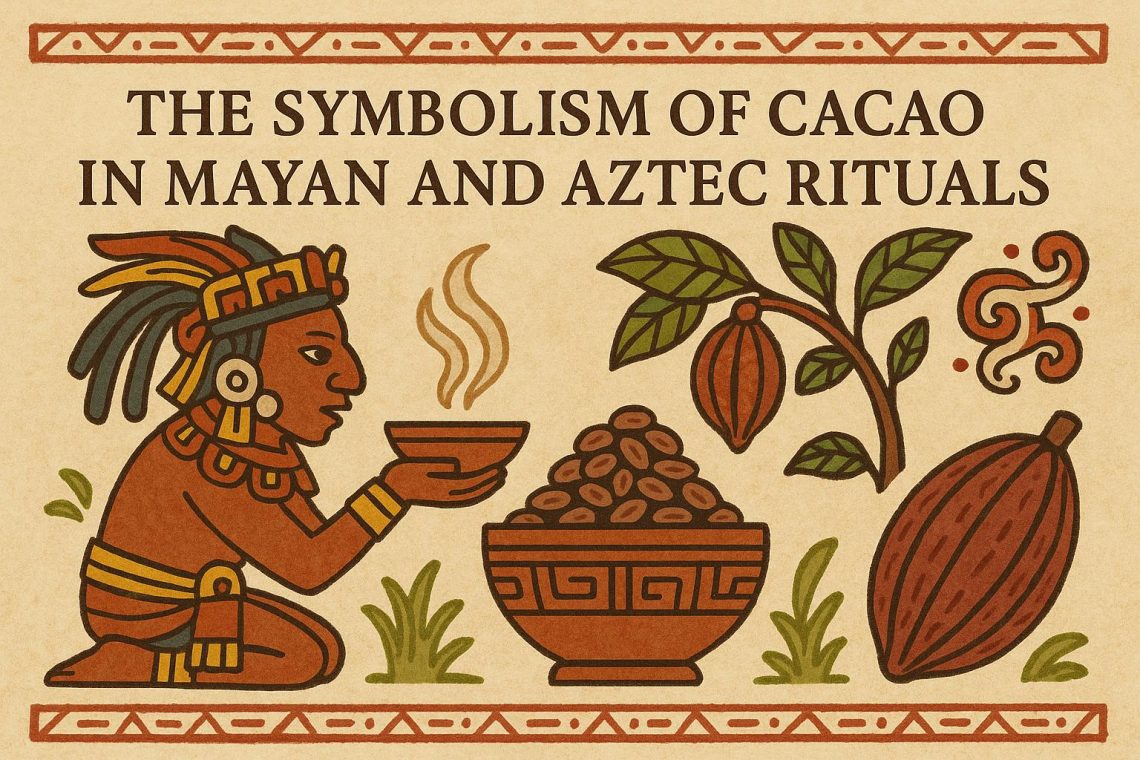
In the ancient civilizations of Mesoamerica, particularly among the Maya and Aztec peoples, cacao held a significance that transcended its function as a food source. It was deeply embedded in both the cultures’ social and spiritual frameworks, serving various roles that highlighted its symbolic importance.
Cacao as a Sacred Substance
In Maya culture, cacao was considered a divine gift from the gods. The Maya believed that the gods discovered cacao in a mountain that also contained other delectable and nourishing foods. The presence of cacao in their origin stories underscores its sacred nature. Additionally, cacao beans were frequently used in religious ceremonies and rituals to honor the gods, reflecting the spiritual dimensions of its consumption and use.
The Maya had deep-rooted cosmological beliefs that filled every aspect of their life, and cacao held an important position among their ritualistic practices. The cacao tree was deemed a symbol of abundance and sustenance, often associated with fertility and the regenerative forces of nature. The spiritual significance of cacao was epitomized in various myths and legends that portrayed it as a medium for connecting with the divine.
Cacao in Aztec Rituals
The Aztecs also regarded cacao with reverence, incorporating it into their spiritual practices. They believed that cacao was associated with the god Quetzalcoatl, the feathered serpent, who was considered the giver of wisdom and knowledge. In Aztec rituals, cacao was often consumed as part of ceremonies designed to communicate with the divine or honor deceased ancestors. The preparation of cacao was complex and ceremonial, which added a layer of sacredness to its use.
The Aztec culture was rich with ceremonial offerings and usage of cacao that played a pivotal role. Priests would often partake in cacao beverages mixed with other sacred ingredients as a form of divine communion. It was a potent symbol in their sacrificial rites and an emblematic gift to the gods, wayfaring between spiritual realms and mortal existence.
The Role of Cacao in Social Structure
Beyond its religious significance, cacao was vital in social transactions among both the Maya and Aztec peoples. It was utilized as a form of currency, enabling trade and commerce. This dual role of cacao as both a sacred substance and an economic instrument illustrates how it intertwined with various aspects of daily life.
Maya and Aztec societies were intricate social structures where trade and economic activities were crucial. Cacao beans, being so valuable, were frequently used to buy goods and services. The beans functioned as a standardized measure of value, and this economic utility of cacao enabled expansive trading networks within and beyond their territories.
Cacao and Power Dynamics
In both cultural contexts, the possession and control over cacao resources were tied to power and status. Among the elite, cacao was consumed as a luxury beverage, often mixed with other flavors such as chili, vanilla, and honey. This meant that enjoying cacao was a symbol of wealth and stature, making it a marker of social stratification.
The elite classes, including rulers, priests, and high-ranking warriors, considered cacao more than simple food; it was a mark of distinction and nobility. Elaborate feasts and gatherings showcased cacao as the centerpiece, indicating both hospitality and affluence. The affluence and power surrounding the cacao trade often determined economic and political control, influencing alliances and disparities between regions.
Conclusion
The symbolism of cacao among the Maya and Aztec civilizations is multifaceted, encompassing religious, social, and economic dimensions. Its role in rituals highlights its spiritual significance, while its use as currency and luxury underscores its influence on social hierarchies. These elements combined to make cacao an integral part of Mesoamerican culture, far beyond its mere nutritional value.
As we reflect on the past, it becomes evident that cacao was not merely a crop but a cornerstone of life in Mesoamerica. This profound relationship with cacao continues to influence modern cultures, blending the rich historical legacies of the Maya and Aztec through festivals and traditions that celebrate cacao’s rich history. The exploration into how this single crop shaped ancient societies offers an insightful glimpse into how human cultures are defined by the resources they deem sacred or valuable.