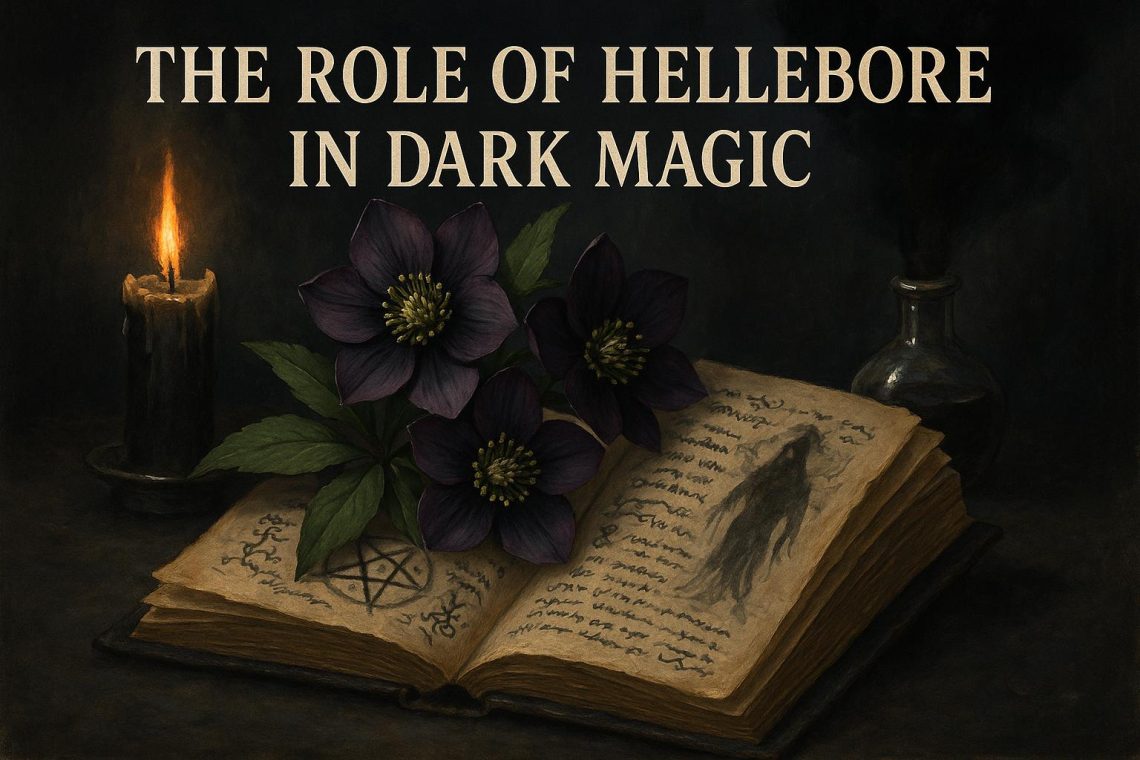
The Historical Context of Hellebore in Dark Magic
Hellebore, a plant belonging to the genus Helleborus, has a long-standing relationship with folklore and magic, particularly in traditions shrouded in secrecy and mystique. In the realm of dark magic, hellebore has been associated with various rituals and practices. Its historical use can be traced back to ancient civilizations where the understanding of natural substances was intertwined with mystical beliefs. This complex interplay between the natural and the supernatural highlights the multifaceted role that hellebore has played across different cultures.
The Presence in Ancient Civilizations
In ancient Greece and Rome, hellebore was recognized for its potent properties. While its medicinal uses were well-documented—such as being used to treat ailments ranging from paralysis to mental unwellness—its potential for harm also captured the attention of those dabbling in the supernatural. The plant’s toxic nature made it a subject of interest for dark magic practitioners who sought to harness its power. The fact that this plant was simultaneously revered as a healer and feared for its toxicity underscores the dual nature of its role in ancient societies.
The Botanical Characteristics
Hellebore comprises several species, many of which are perennial and evergreen. The plant is characterized by its bell-shaped flowers and a preference for temperate climates. Although not all hellebore species are toxic, some contain compounds that can be harmful if ingested or improperly handled. This toxic nature contributes to its enigmatic aura, especially in esoteric practices. Understanding the botanical characteristics is essential as it sheds light on why this plant was readily incorporated into various mystical and practical applications. The beauty and resilience of hellebore often mask its powerful and sometimes perilous potential.
Cultural Significance and Symbolism
Beyond its physical properties, the symbolism associated with hellebore also plays a significant role in its historical context. Throughout history, hellebore has been intertwined with myths and folklore. In some traditions, it was believed to have the ability to banish evil spirits or cure madness—ideas that likely emerged from its observed effects when used in herbal medicine. The duality of its usage—both healing and harmful—reinforced its place in the darker side of magical practices.
In European folklore, especially, hellebore was sometimes employed in rituals aimed at protection or curse removal. Its presence was thought to avert negative influences, and it was occasionally used in talismans or ceremonial practices. The symbolism of death and rebirth associated with hellebore’s blooming in late winter or early spring further fed into its mystical connotations. The plant’s ability to thrive during the bleakness of winter became a potent symbol of resilience and transformation, which contributed to its ritualistic use.
Medieval and Renaissance Perspectives
During the medieval period and Renaissance, the fascination with hellebore continued. Its role in medicine was as significant as ever and was often discussed alongside theories of humors and bodily balances that were prevalent at the time. The mysterious and often dangerous attributes of hellebore made it a subject of interest in alchemical texts, where it was studied for its transformative properties. Documents from these eras reveal a continued interest in the plant as both a tool for healing and a means of enacting potent magical rites.
Modern Interpretations and Uses
Today, hellebore still holds a place in modern interpretations of witchcraft and other neopagan practices, where it is often used symbolically rather than physically due to its toxicity. Practitioners might use it in ritual forms to represent power, protection, or the cycle of life and death. The plant is often included in ceremonial spaces as a representation of nature’s duality—the capacity for life and death—and as a symbol of inner strength.
Its evocative history and associations continue to inspire its use in a metaphorical capacity, aligning with themes of transformation and the hidden aspects of nature. For those interested in understanding more about the plant’s factual and mystical importance, further reading from botanical and historical sources can provide a comprehensive view of its legacy. Exploring well-researched materials will offer insights into the dual nature of hellebore as seen through both scientific and cultural lenses. The plant serves as a reminder of the close relationship between humans and nature in our search for both healing and power, illustrating a tradition that spans from the ancient world to contemporary practices.
Understanding hellebore today requires not only an appreciation for its scientific proprieties but also an acknowledgment of the storied past that has shaped its place in the mystical and magical traditions worldwide. Through both historical and modern lenses, hellebore remains a vivid example of how plants can influence cultural and spiritual landscapes, serving as both a literal and metaphorical bridge between the past and present. The deeper analysis of hellebore can guide current and future explorations into how natural substances have historically been harnessed for what were once considered supernatural purposes, revealing layers of cultural understanding and the enduring allure of the mysterious.