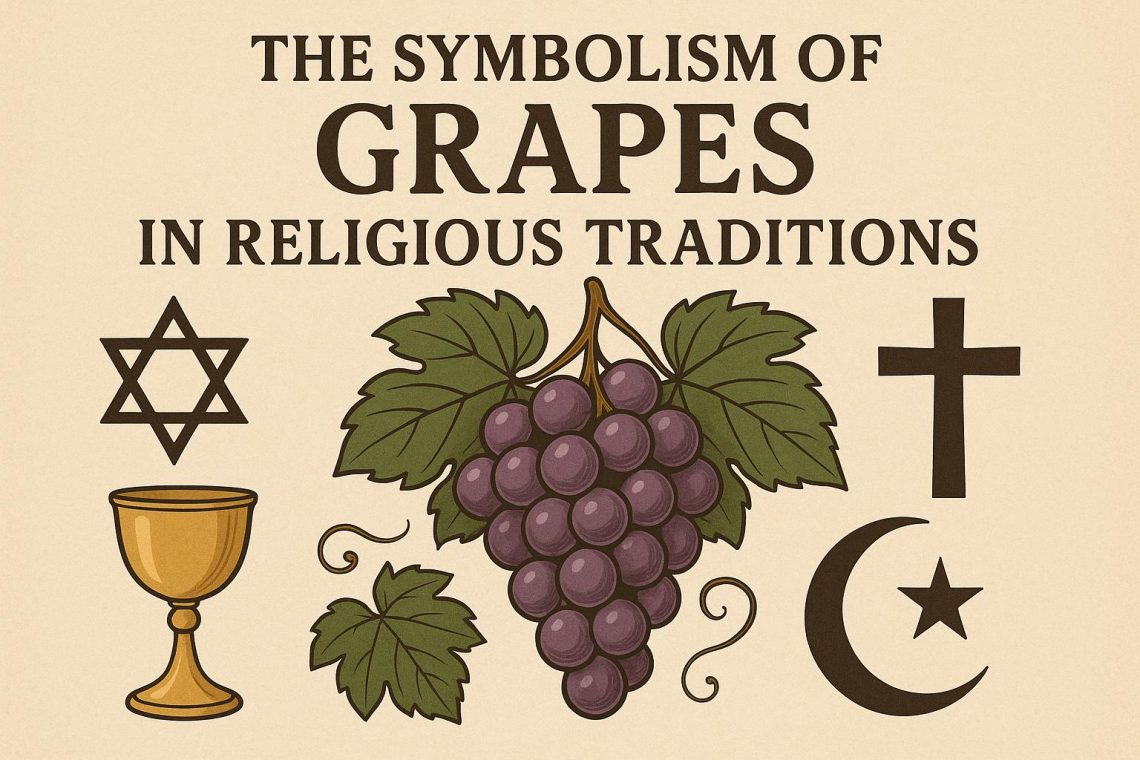
The Symbolism of Grapes in Religious Traditions
In various religious traditions around the world, grapes have held significant symbolic meanings. These small fruits are more than just agricultural produce; they embody rich spiritual and cultural narratives.
The Role of Grapes in Christianity
In Christianity, grapes are prominently associated with the sacrament of the Eucharist. During this ritual, wine, which is derived from grapes, is consumed to represent the blood of Jesus Christ. This connection highlights themes of sacrifice and redemption, crucial elements in Christian theology.
The Bible contains numerous references to grapes and vineyards, symbolizing abundance and divine blessing. In the New Testament, Jesus uses the metaphor of the vine and branches to explain the relationship between himself and his followers, emphasizing interconnectedness and spiritual nourishment. Here, Jesus states in the Gospel of John: “I am the vine; you are the branches.” This passage underscores the vital connection and dependency of believers on Christ for spiritual sustenance and growth.
Furthermore, grapes play a role in the Christian understanding of the Last Supper, where Jesus shared wine with his disciples, symbolizing the new covenant established through his impending sacrifice. Thus, in various Christian denominations, the act of partaking in the wine during communion serves as a remembrance of Jesus’ sacrifice and a celebration of the salvation it brings to humanity.
Grapes in Judaism
In Judaism, grapes have a profound connection with joy and celebration. The fruit is often linked to the holiday of Sukkot, also known as the Festival of Booths. During this time, wine is consumed as part of the festive meals, embodying gratitude for the harvest and the blessings received. Sukkot celebrates the gathering of the harvest, and wine made from grapes becomes a symbol of this abundance and the joy associated with it.
The symbolism of grapes in Jewish tradition also extends to the Ten Commandments, where the Promised Land is described as a place flowing with milk and honey, abundant with grapevines, indicating prosperity and divine favor. This land of abundance promised by God serves as a symbol of hope and fulfillment for the Jewish people, representing divine promises fulfilled through the natural bounty of the earth.
Additionally, the Kiddush ceremony, a sanctification of the Sabbath or holiday, involves the blessing over wine, highlighting the role of grapes in sanctifying moments and reflecting the divine goodness present in the fruits of creation. Therefore, grapes in Judaism denote not only abundance and celebration but also an element of sanctification and acknowledgment of God’s providence.
Grapes in Ancient Greek and Roman Religions
The ancient Greeks and Romans also revered grapes, associating them with their deities of wine—Dionysus and Bacchus, respectively. These gods were celebrated to honor the role of wine in social and religious life, where it was seen as a gift from the divine that promoted revelry and communal bonds. Wine, as a product of the grape, was central to the festivals held in honor of these deities, where it facilitated ecstasy and transcendence, allowing participants to momentarily experience divine presence and escape mundane concerns.
In addition, grapes and wine were often used as offerings in ceremonies, symbolizing life, fertility, and the joyous components of human existence. They stood as metaphors for life’s temporal pleasures and the fleeting nature of human experience, making them a poignant symbol of both the ephemeral and the eternal aspects of the human condition.
The myths surrounding Dionysus and Bacchus further illustrate how grapes were perceived as mediators of the divine. These rituals and celebrations often involved theatrical performances and processions, emphasizing the transformative power of wine, not only at the level of individual consciousness but also in social contexts, promoting unity and collective euphoria among participants.
Comparative Symbolism
Although the contexts differ, the symbolism of grapes across these religious practices shares common themes. Typically, grapes and their derivatives symbolize abundance, prosperity, and the sacredness of life. Additionally, they often highlight a connection between the divine and the earthly, illustrating the way divine blessings manifest in the tangible world.
In each tradition, grapes tend to symbolize a point of connection, either between humans and the divine or among humans themselves, facilitated by the shared experience of consuming wine. This shared symbolism underscores the importance of grapes as a vehicle for religious expression and cultural identity, emphasizing universal themes of gratitude, prosperity, and spiritual connection despite varying religious narratives.
Moreover, grapes serve as a powerful symbol of transformation. Through the process of fermentation, grapes transform into wine, mirroring the spiritual transformations and transcendence desired by people across these religious traditions. This metamorphosis from fruit to wine captures the essence of change and renewal, reflecting core themes of life, death, and rebirth, prevalent in many religious mythologies.
Conclusion
While grapes serve as a common symbol across multiple faiths, their interpretations may vary. However, the consistent reverence for this fruit in religious contexts underscores its importance as a spiritual and cultural icon. Grapes have transcended their agrarian roots to become potent symbols of human aspiration and divine grace, woven into the tapestry of diverse religious traditions.
For further reading on grapes in different traditions, consider exploring academic texts on religious symbolism or visiting religious heritage websites, which provide in-depth analyses and interpretations. Grapes continue to inspire and offer insight into the shared human experience through their symbolism in religious practices, reminding us of the enduring power of this humble fruit in the spiritual and cultural landscapes of societies throughout history.