The Role of Peppermint in Magical Practices
Peppermint, known for its invigorating aroma and refreshing flavor, is not only praised in culinary and medicinal circles but also holds a significant place in magical practices. As an accessible and multifaceted herb, peppermint frequently appears in various spells and rituals due to its reputed protective qualities.
Historical Context of Peppermint in Magic
Throughout history, peppermint has been acknowledged for its protective properties across numerous cultures. Traditional European folklore holds that peppermint could fend off malevolent spirits and purify spaces with negative energy. These attributes made peppermint a core ingredient in many ritualistic practices.
The use of peppermint in magic is not a contemporary phenomenon; its roots can be traced back to ancient societies. For instance, ancient Greeks and Romans incorporated peppermint into their rituals and ceremonies, largely due to its uplifting and invigorating qualities. They believed that the fresh scent of peppermint could create a sacred space by dispelling negativity and inviting positive energies.
Across different civilizations, peppermint was esteemed for its ability to create a protective shield around individuals and spaces. This historical reverence underscores its enduring significance in magical traditions.
Protective Qualities of Peppermint
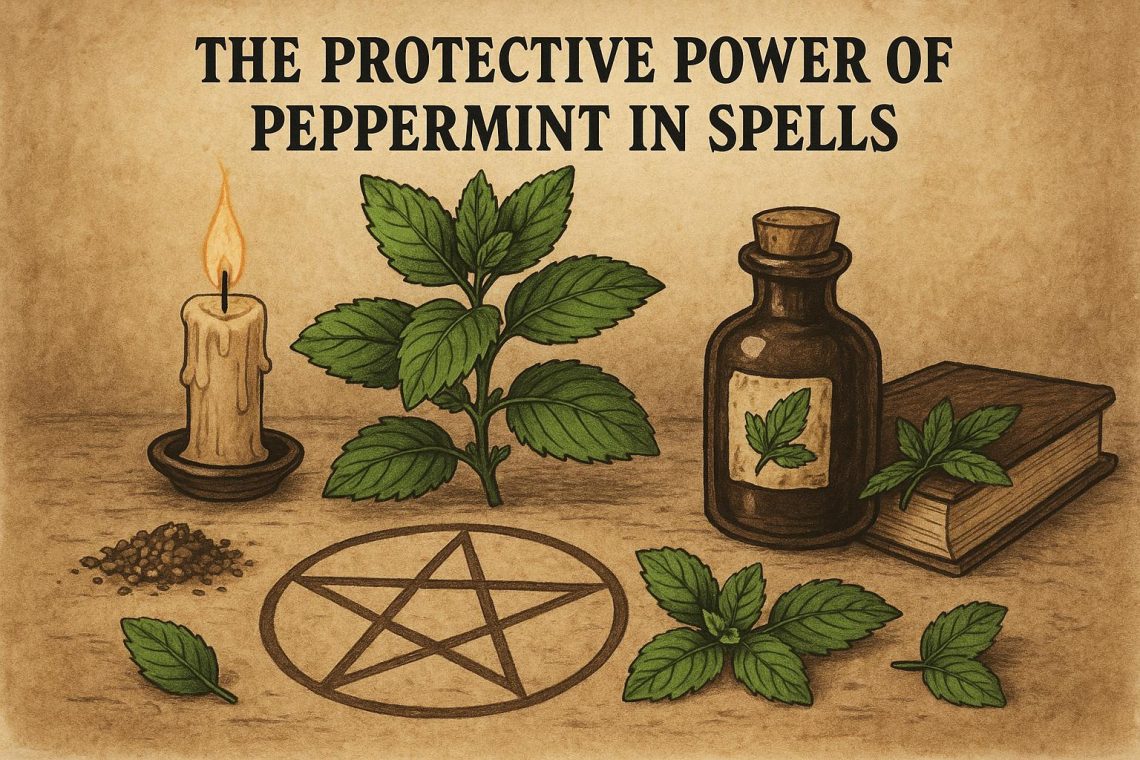
The purported abilities of peppermint to absorb negative energies make it a valuable component in spells designed to protect or establish barriers against harmful influences. Spellcasters often rely on its refreshing scent, which acts as a deterrent to negativity while simultaneously providing clarity and focus. These attributes are considered essential for successful spell work.
The belief that peppermint can purify and protect stems from its natural properties, which are associated with clearing confusion and fostering a mental environment conducive to concentration and intention setting. This has led to its widespread use in rituals aiming to enhance focus and fortify spiritual barriers.
Common Uses of Peppermint in Spells
One prevalent method of employing peppermint in spells is by incorporating it into protective pouches or sachets. Practitioners often combine peppermint leaves with other protective herbs to create a personal talisman that shields them from negativity. These protective pouches can be carried on the person or placed in a home to safeguard against unwanted energies.
Moreover, peppermint is frequently burned as incense or utilized as an essential oil in ceremonies to purify and prepare spaces for rituals. Using peppermint in this manner is believed to enhance concentration, making it easier to uphold the intention and focus necessary for effective spellwork. This is particularly beneficial in meditation or visualization practices where clarity and mental acuity are paramount.
Peppermint’s versatility extends to its use in charm bags, floor washes, and anointing oils, highlighting its adaptability within various magical systems. By focusing on peppermint’s purifying attributes, practitioners aim to create an environment that supports their spiritual endeavors.
Peppermint in Modern Witchcraft
In contemporary magical practices, peppermint remains a staple due to its widespread availability and associated benefits. Modern practitioners continue the tradition of using peppermint as a potent tool in protection spells. It can be effortlessly integrated into daily practices, such as creating protective sprays, crafting charm bags, or incorporating it into bath rituals to cleanse one’s aura.
The appeal of peppermint in modern witchcraft lies in its simple yet powerful application. Its ability to clear away negative influences and enhance mental clarity is highly valued in today’s fast-paced world. Whether used in personal spellwork or as part of communal rituals, peppermint’s role as a protective and purifying agent is consistently recognized.
Peppermint’s presence in the modern witch’s toolkit is also attributed to its approachable nature, offering an easy entry point for those new to herbal magic. Its inviting scent and tangible benefits make it an ideal choice for seasoned practitioners and novices alike, ensuring its continued relevance in contemporary spiritual practices.
For those interested in exploring further, a wealth of resources focuses on the use of herbs in magical practice, with peppermint often taking center stage. Herbal guides and spellbooks provide deeper insights into the ways peppermint and other herbs can be harnessed to enhance spiritual work and personal growth.
The Legacy of Peppermint in Magical Practices
In conclusion, peppermint’s protective power transcends its medicinal and culinary uses, firmly establishing its role as a vital herb in magical practices. Its enduring legacy in both ancient and modern spellwork underscores its potency and versatility as an ally in creating protective barriers and fostering clarity in spiritual endeavors.
Through its historical and modern applications, peppermint exemplifies the multifaceted nature of herbal magic, bridging the gap between practical usage and mystical belief. As a timeless component of magical traditions, peppermint continues to offer practitioners a reliable and powerful tool for spiritual protection and enhancement.