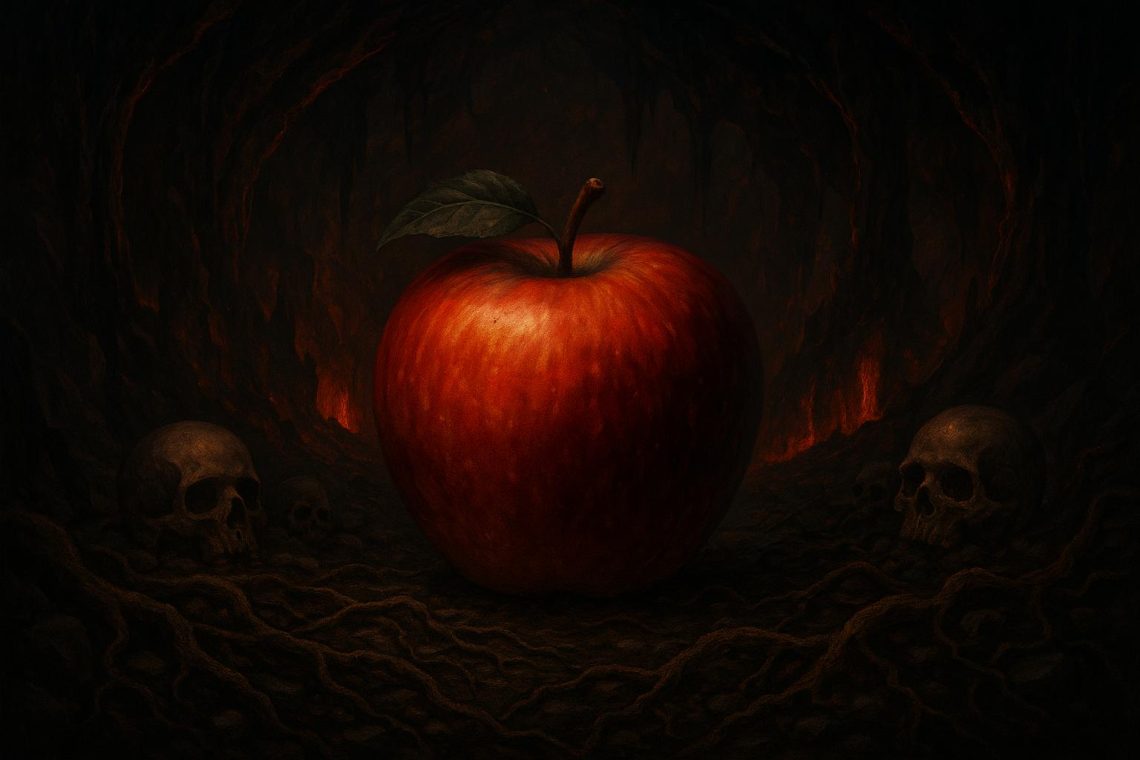
The Symbolism of Apples in Mythology
In examining mythologies around the world, it becomes evident that apples are more than just fruit; they hold significant symbolic meaning. Apples have often been associated with life, death, and rebirth, deeply entrenched within narratives of both the physical and the metaphysical. This symbolism can be observed prominently in Greek and Norse mythology, which use the apple as a motif connected to unimaginable realms and divine mortal interactions.
Apples in Greek Mythology
Greek mythology is replete with instances where apples take on greater significance than their physical properties might suggest. These mythological narratives often transform apples into objects symbolizing life’s dual aspects: its material beauty and its inevitable mortality.
The foremost example is the Golden Apple of the Hesperides, a mythological emblem signifying immortality. Entrusted to the care of the Hesperides, a group of nymphs, this tree bore apples that offered eternal life to those who consumed them. Each golden apple was more than just a source of divine nourishment—it linked to profound themes of existence, life, and the cyclical nature of the human experience.
Another notable Greek legend involving apples is the tale of the judgment of Paris. A golden apple with the inscription “to the fairest” was the catalyst for events that culminated in the Trojan War. Although this particular narrative is not centered on the underworld, it emphasizes the apple’s critical role as an agent of transformation. The humble fruit sets in motion a series of events that lead to enormous consequences, reinforcing its symbolic status as a crucial paradoxical element in Greek storytelling.
In some interpretations, apples serve as a metaphorical bridge between worlds, symbolizing both the pleasures of life and a conduit to the afterlife. For instance, in Homer’s Odyssey, apple orchards associated with Hades, ruler of the underworld, symbolize life’s eternal qualities and connect with the realm of eternal rest. This portrayal further embeds apples within a broader narrative of life after death, enhancing their mythological relevance.
Apples and the Afterlife
The Greek narrative often presents the apple as a symbol intertwined with themes of transition and continuity between life and death. Through mythological stories, apples are portrayed as unique offerings to the divine, bridging mortal and immortal realms. For instance, certain legends hold that offerings of apples could grant access to the afterlife or endow mortals with divine favor upon entering the underworld. This narrative thread underscores the apple’s enduring representation as both a literal and figurative passageway toward understanding humanity’s dual aspects of existence and the beyond.
Norse Mythology and the Underworld
In Norse mythology, apples similarly occupy a place of prominence, closely associated with themes of death, vitality, and rejuvenation. The mythology of the Norse gods encapsulates belief in the apple’s magical properties, believed to affect the very fabric of divine existence.
Most notable in Norse myth is the goddess Idun, whose role as the custodian of mystical apples represents the intertwining of life, death, and rebirth within the Norse pantheon. The apples Idun oversees are integral to the gods’ rejuvenation, ensuring their eternal youth and vitality. This myth underscores the apple’s significance as a life-sustaining force, albeit indirectly linked to the underworld.
The Significance of Idun’s Apples
The apples of Idun in Norse mythology are essential for maintaining the celestial balance of life and death. Deprived of these apples, even gods would age and weaken, showcasing immortality’s dependence on a finite object—a theme echoing the fluctuating nature of existence central to underworld narratives. In this light, apples serve as potent symbols of mortality, demonstrating that even divine beings are subject to the forces of time without them.
For those interested in exploring Norse mythological symbolism in greater depth, there are various resources available offering comprehensive analyses of the mythos surrounding apples and other symbols.
The Apple as a Cultural Symbol
The apple transcends its mythological roots to serve as a cultural symbol with profound implications across different societies. Through their representation in folklore, apples become more than just consumables; they embody ideas and aspirations reflective of human nature and its ongoing search for meaning.
In Greek tales, apples emerge as emblems of immortality, deceit, and desire. Their inclusion in pivotal narratives reflects a cultural preoccupation with immortality and the metaphysical. Similarly, in Norse narratives, apples are prized as life sources essential to the gods’ unending existence. This duality of representation illustrates the apple’s enigmatic role as a universal cultural symbol.
Moreover, the apple’s presence in mythologies worldwide resonates with its symbolic depiction in various cultural practices. Often granted a revered place in ceremonies and rites, apples symbolize abundance, fertility, and the prosperous continuity of life, echoing their mythological significance as carriers of divine essence.
Conclusion
The recurring portrayal of apples across mythologies highlights intrinsic themes of continuity, transformation, and the interplay between life and death. Through their intricate connections to the underworld and divine life cycles, apples provide insight into humanity’s timeless quest to comprehend life’s mysteries. As with many mythological symbols, the apple’s allure and potency lie in its ability to embody complex existential dualities. Such portrayals across cultures stand as testament to its symbolic power. Additional information on the diverse representations of apples in mythology can be explored through specialized studies on mythological symbolism, offering a deeper understanding of this multifaceted icon.