The Symbolism of Rice in Religious Celebrations
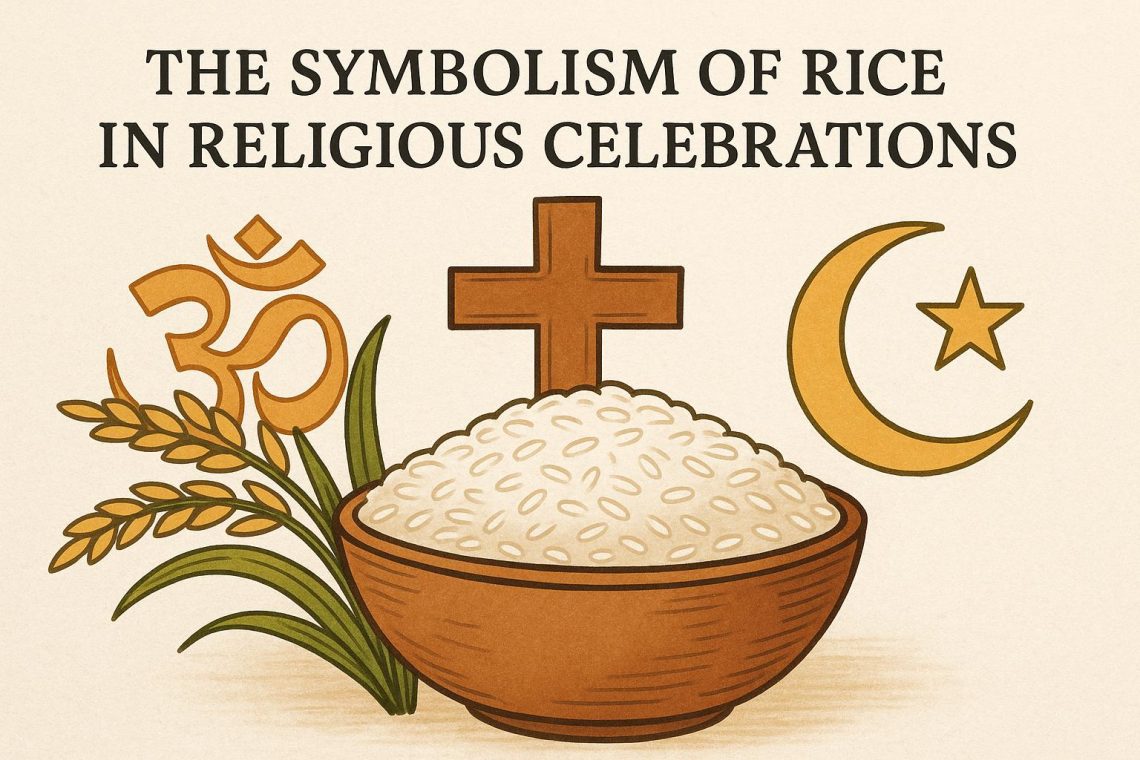
Rice has long been revered as a significant staple across numerous cultural and religious practices globally. Its universal presence in religious ceremonies highlights its symbolic nature, representing fertility, prosperity, and sustenance, integral components of life and spirituality in many traditions.
The Role of Rice in Hindu Rituals
Hinduism, one of the ancient religions of the world, places rice at the core of various rituals that signify the intertwining of spiritual life with everyday living. Rice is an indispensable element in ceremonies, signifying life and vitality.
Wedding Ceremonies
During Hindu weddings, rice is prominently featured in rituals that symbolize the wishes for a bright and prosperous future for the couple. A significant practice involves the couple throwing rice over each other, a gesture that symbolizes blessing each other with abundance and fertility. This ritual underscores the hope that the union will be fruitful, both in offspring and in financial matters. It also reflects the wider belief in a prosperous life through a mutual understanding and respect within the marriage.
Offerings to Deities
Beyond weddings, rice is fundamental in offerings to deities. Religious festivals like Diwali, which celebrates the victory of light over darkness, and Pongal, a harvest festival, incorporate rice in rituals to express gratitude for current blessings. The offerings often include rice cooked with sugar and other ingredients, served in sacred spaces to honor and please the deities. This act is intended to secure future blessings, reinforcing the belief that a life of gratitude invites continued prosperity.
Rice’s Significance in Buddhist Practices
Rice also holds profound significance in Buddhist traditions. Eating and sharing rice link followers with core teachings of Buddhism, particularly mindfulness and the interconnectivity of all life forms.
Pūjā Offerings
In Buddhist rituals, rice serves as a symbol of sustenance necessary for both spiritual and physical life. During Pūjā, a devotional service, practitioners offer rice as a sign of respect and devotion toward the Buddha and his teachings. This offering is not merely an act of reverence but also a personal gesture to seek blessings for spiritual growth and well-being. Here, rice symbolizes the humility and simplicity that underpin Buddhist practice, yet it also highlights material abundance and spiritual richness as a unified pursuit.
Christian Celebrations and Rice
Rice in Christian traditions represents not only nourishment but also the community and sharing inherent in Christian values. It plays a role in several regional Christian celebrations, especially where rice is a staple in the diet.
Festive Meals
Particularly in rural communities with Christian roots, rice dishes are often central to celebratory meals during holidays such as Christmas and Easter. These dishes underscore the idea of divine providence and the blessings of God. Sharing these meals among family and community members fortifies bonds and emphasizes the importance of gratitude and abundance granted by divine providence. This act of sharing, over rice dishes, becomes a communal celebration of faith and interconnectedness.
Rice in Islamic Traditions
In Islamic traditions, rice embodies community, unity, and sharing values. These principles are particularly palpable during the holy occasions of Eid.
Festivities and Shared Meals
Eid al-Fitr, marking the end of Ramadan, and Eid al-Adha, commemorating the willingness of Ibrahim to sacrifice his son as an act of obedience to God, feature rice prominently. These meals, prepared with special attention and spices, symbolize the unity of the community as individuals come together to partake in shared experiences. The act of preparing and sharing rice dishes is as much about the physical enjoyment of food as it is about the spiritual connection fostered through communal gatherings. This emphasis on unity and sharing is core to Islamic social and spiritual philosophy, reinforcing the connectedness of the global Muslim community.
Rice’s presence across these diverse religious traditions not only highlights its physical significance as a source of sustenance but also underscores its role as a medium for expressing deeper spiritual and cultural values worldwide. The grain’s symbolic meanings of fertility, prosperity, and sustenance transcend physical nourishment, touching upon aspirations for spiritual growth, communal harmony, and the boundless prosperity of life.
Whether utilized in ceremonial offerings, incorporated into wedding customs, or served as part of festive meals, rice continues to serve as a vital cultural and religious symbol. It reminds practitioners and participants of the interconnectedness of life, believers’ duties of gratitude, and the hope for a prosperous future. In understanding these traditions, one gains insight into not only the spiritual dimensions of rice but also the varied expressions of human belief that have embraced this humble grain throughout millennia.