The Symbolism of Honeysuckle in Love and Prosperity

The Symbolism of Honeysuckle

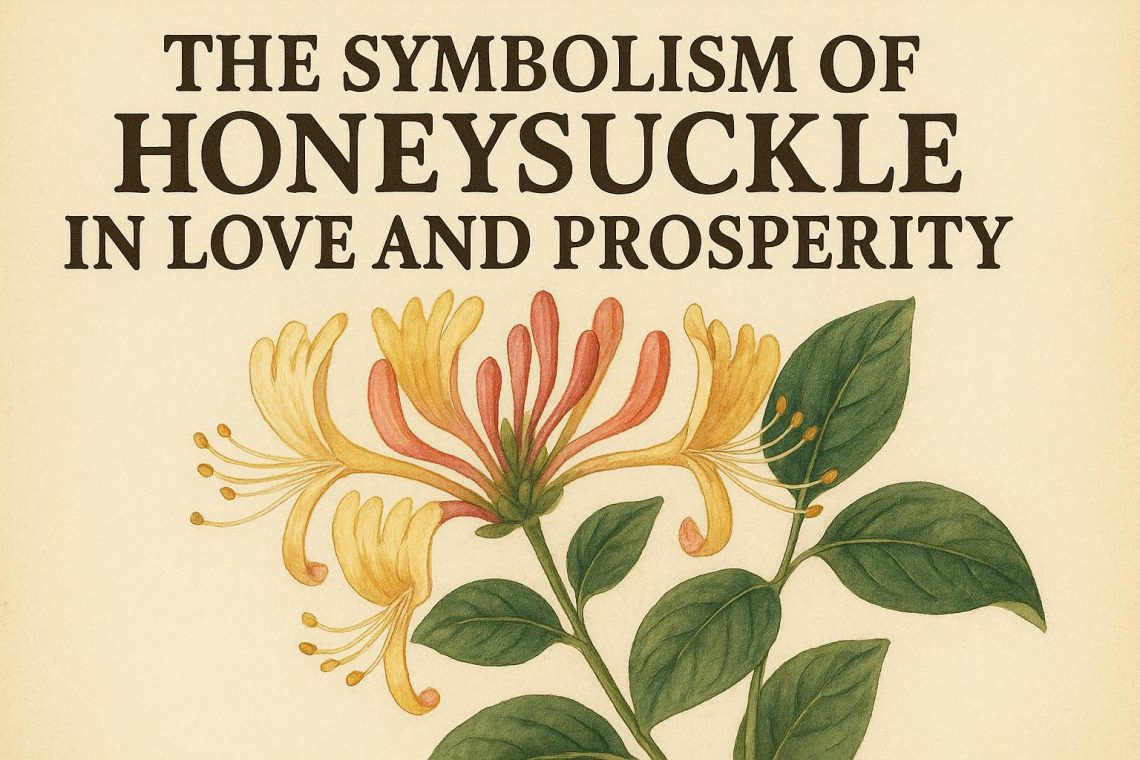
Honeysuckle, often recognized for its sweet fragrance and intricate blossoms, transcends its aesthetic appeal by embodying profound symbolic meanings. With roots deeply entwined in various cultural narratives, this climbing plant represents themes of love and prosperity, contributing to its allure beyond its visual charm. These symbolic representations have been woven through folklore, cultural practices, and ecological interactions, enriching the complexities of honeysuckle’s role in human perception and natural ecosystems.

Honeysuckle and Love

The symbolism of honeysuckle in relation to love is a prevalent theme in numerous cultural traditions. The plant’s natural tendencies, particularly its climbing and intertwining vines, serve as metaphors for romantic bonds and affection. This association is amplified by the plant’s fragrant blossoms, which are considered embodiments of the sweetness and passion integral to romantic relationships. The subtleties of honeysuckle’s association with love manifest in various cultural practices, where the plant is employed as a token of enduring affection and fidelity.

Honeysuckle in Folklore

In folklore, honeysuckle is endowed with mythological significance, frequently seen as a harbinger of good fortune in matters of the heart. In many cultures, planting honeysuckle near the home entrance is a traditional practice believed to attract love and harmony within the household. Historical records from ancient Celtic traditions showcase the inclusion of honeysuckle in ceremonies and rituals celebrating love and romance. This persistent presence in cultural narratives underlines honeysuckle’s enduring association with romantic themes, thereby extending its significance beyond mere physical beauty.

Marriage and Honeysuckle

The connection between honeysuckle and marriage has historical depth as well. In various cultures, honeysuckle is integrated into wedding ceremonies, often included in bouquets and decorative arrangements. Its inclusion symbolizes the couple’s commitment to nurturing a lasting affection that withstands challenges and flourishes over time. In certain traditions, honeysuckle is also included in symbolic rituals meant to bless the couple with a harmonious and fruitful union. These practices reflect the plant’s capacity to embody ideals of fidelity and enduring love, making it a favored emblem in matrimonial contexts.

Honeysuckle and Prosperity

Alongside its romantic connotations, honeysuckle is often associated with themes of prosperity and abundance. Its vigorous growth and adaptability to diverse environments contribute to its representation as a symbol of wealth and positive growth. Cultural interpretations of honeysuckle’s presence often suggest that the plant can bring financial luck and success, echoing a belief in its power to invite prosperity into one’s life.

Traditional Uses in Prosperity Rituals

Historically, honeysuckle has been an integral component of prosperity rituals across various cultures. Such practices involved the strategic placement of honeysuckle blooms in arrangements aimed at invoking financial success and good fortune. This tradition continues to be practiced by individuals and communities who value the plant’s symbolic connection to wealth, demonstrating how honeysuckle’s presence in ritualistic contexts has endured through time.

The Plant’s Role in Ecology

Beyond its cultural and symbolic heritage, honeysuckle serves an important ecological function. The nectar-rich blooms attract a variety of pollinators, such as bees and butterflies, which play vital roles in maintaining ecological balance through their pollination activities. This ecological contribution can be metaphorically linked with the idea of prosperity, as a thriving ecosystem supports diverse forms of life and growth. Thus, honeysuckle’s role in fostering ecological health parallels its symbolic representation of abundance and positive growth.

Honeysuckle’s Environmental Impact

While honeysuckle’s ecological contributions are noteworthy, certain species of honeysuckle have also been identified as invasive in regions outside their native habitats. These invasive species can disrupt local ecosystems by outcompeting native plants, leading to ecological imbalances. This duality—where honeysuckle is both a contributor to and a challenger of ecological harmony—adds layers to its symbolic and practical significance. It serves as a reminder of the careful balance necessary in interacting with the natural world, highlighting the complex interplay between symbolism and ecological realities.

Conclusion

Honeysuckle is a plant that captivates with its beauty but holds far deeper significance through its symbolic associations with love and prosperity. Its historical presence in various cultural narratives underscores its importance in human traditions and beliefs. Moreover, its ecological role enhances its symbolic connection to prosperity, positioning honeysuckle as a multifaceted emblem of growth and harmony. While honeysuckle undoubtedly enhances any garden with its aesthetic appeal, it also contributes to enriching human relationships and aspirations with its rich symbolic meanings. For those interested in exploring the significance of honeysuckle further, delving into botanical literature and cultural histories can provide additional insights into this enchanting plant’s legacy across societies and time.
The Protective Power of Plantain in Folk Magic

The Protective Power of Plantain in Folk Magic

In the realm of folk magic and traditional herbal medicine, plantain — a simple and often overlooked plant — is endowed with significant protective properties. This unassuming herb has been acknowledged for its mystical and healing attributes across various cultures and time periods.

Understanding Plantain

Plantain, not to be confused with the banana-like fruit, refers to the small, leafy plant known scientifically as Plantago major. Widely found in fields, lawns, and roadsides, plantain is easy to identify by its broad, ribbed leaves and small, green flowering spikes. While it may appear mundane, this plant has been cherished for its multifaceted uses, especially in the sphere of magic and health.

Botanical Characteristics

The plantain is known for its adaptability and resilience. Its ability to thrive in a variety of environments has made it a symbol of endurance. Botanically, it is notable for the characteristic appearance of its leaves, which grow in a rosette pattern close to the ground. These leaves are distinguished by their ribbed texture and are often accompanied by a flowering spike that emerges during the warmer months.

Historical Significance

Historically, plantain has been revered in numerous traditional medicine systems. The plant’s leaves have been employed to address a variety of physical ailments, from wound healing to relief of respiratory issues. This medicinal use is well-documented across many ancient texts and oral traditions, underscoring its broad acceptance as a healing herb.

Traditional Medicinal Uses

Beyond its role in folk magic, plantain has long been used in herbal medicine. Its leaves, rich in bioactive compounds, are known for their anti-inflammatory and antiseptic properties. This has made plantain a favored treatment for cuts, bruises, and other wounds, used either by applying the crushed leaves directly or in the form of poultices and salves. Up till today, plantain remains an important component in natural remedies, reflecting its ongoing relevance in achieving physical well-being.

Folk Magic Practices

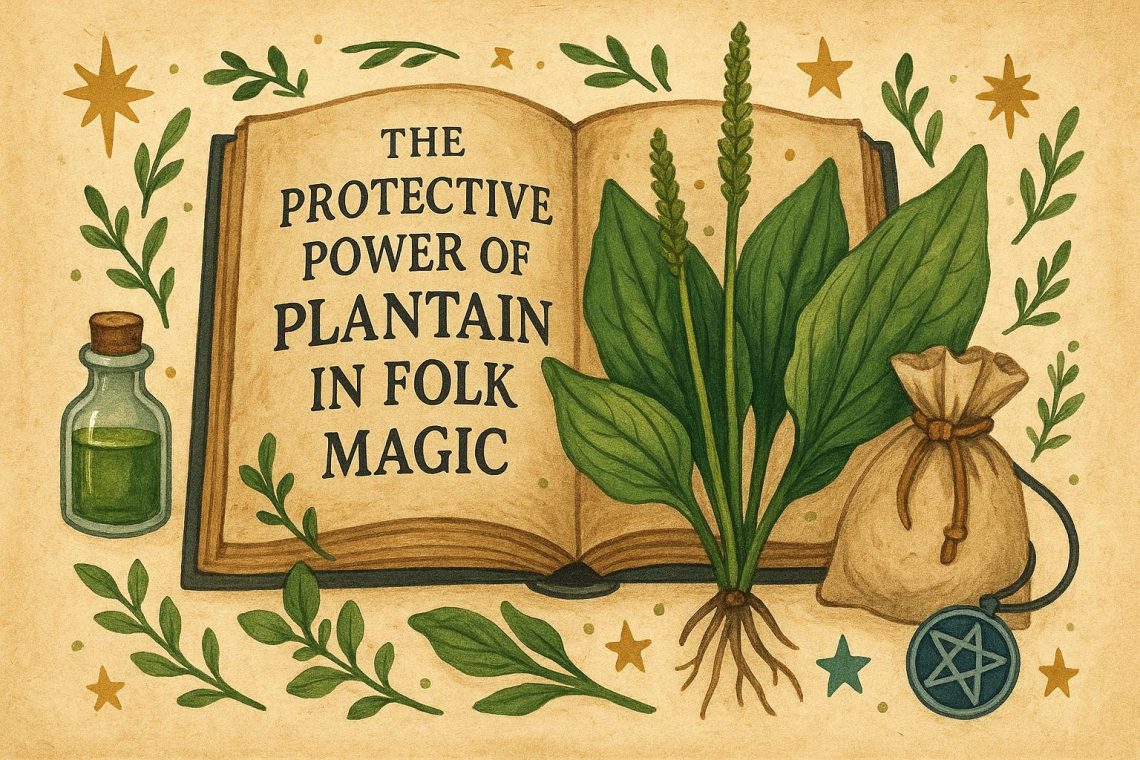
In folk magic, plantain is often used as a protective amulet. The plant was believed to shield individuals from evil spirits and negative energies. This belief in protection likely arises from the resilient nature of plantain, as it thrives in various conditions and is difficult to kill, symbolizing endurance and defense.

Carrying a dried plantain leaf in a pouch or sewn into clothing is a common practice for personal protection. For household safeguarding, plantain leaves might be hung at doorways or windows. Such practices not only aim to prevent harm but also to ensure a harmonious environment, reflecting a deep-seated belief in plantain’s power to guard against unwanted influences.

Plantain in Cultural Practices

Cultural interpretations of plantain vary, yet the common theme of protection pervades most traditions. In some cultures, plantain plays a core role in rituals surrounding birth and death. It is thought to protect the vulnerable soul during its transition to or from the physical world. This symbolic strength mirrors the plant’s tenacity in nature, reinforcing its role as a guardian plant.

Ritual Uses

Plantain is occasionally used in purification rituals. Its smoke, when burned, is thought to cleanse spaces of negative influences. Moreover, infusions made from plantain can be used to wash objects or spaces, imparting protective properties and promoting positivity and clarity. These rituals often feature in seasonal celebrations, where renewal and protection are central themes.

The infusion’s preparation involves steeping leaves in hot water, sometimes combined with other protective herbs. Once cooled, the liquid serves as a wash or spray, applied to tools, homes, or even oneself. Through these rituals, plantain acts as a catalyst for transformation, symbolizing the clearing away of old, stagnant energies in favor of new, positive ones.

Modern Applications

While some aspects of folk magic appear dated to contemporary audiences, a resurgence in interest has been noted. People are exploring plantain not only for its historical uses but also as part of a broader interest in natural and holistic practices. The shift towards organic and natural remedies has rekindled an appreciation for plantain, recognizing its simplicity and efficacy.

Reintegrating Folk Wisdom

Modern practitioners of herbal medicine and magic have started to reintegrate folk wisdom into their practices. The renewed interest is part of a larger movement that seeks to harmonize traditional practices with contemporary lifestyles. Plantain, with its protective and healing properties, is at the forefront of this movement, representing a bridge between the ancient and the modern.

Scientific Exploration

Recent scientific studies into plantain’s medicinal properties have validated some of the traditional uses of the plant. Research has confirmed its anti-inflammatory effects, supporting its use in treating minor wounds and skin conditions. These studies have provided a scientific basis for practices that were traditionally based on empirical knowledge passed down through generations.

Contemporary Cultural Significance

Today, the cultural significance of plantain in folk magic serves as a reminder of the rich tapestry of beliefs that extend beyond healthcare. It allows individuals to connect with their heritage and the natural world, fostering a sense of continuity and grounding amid rapidly changing times.

Further Reading

For those interested in exploring the benefits and applications of plantain further, consider consulting traditional herbal medicine texts or studies on ethnobotany. Many resources are available online as well; look for credible herbalist blogs and academic resources to deepen your understanding of this fascinating plant and its uses.

While plantain’s presence in folk magic is but one aspect of its utility, it underscores the intersection of natural elements and spirituality, showcasing how ancient practices continue to influence modern holistic approaches. The timelessness of plantain’s appeal reflects a universal desire to harness the power of nature for protection and healing, illustrating its enduring place in both magical and medicinal realms.

The Spiritual Properties of Borage in Courage Spells

The Spiritual Properties of Borage in Courage Spells

The herb borage, also known by its scientific name Borago officinalis, has been used for centuries in various spiritual practices due to its reputed ability to instill courage and bravery. This blue-flowered plant is not just valued for its culinary and medicinal uses but also holds a significant place in the realm of spiritual and magical practices.

Historical Roots of Borage in Spiritual Practices

Borage has a long-standing history of association with courage. In ancient Roman times, soldiers were known to drink borage-infused wine before battles to fortify their bravery. The belief was that the herb could alter moods and lift spirits, making the drinkers feel more courageous and bold. The practice of using borage to instill bravery was not confined to the Romans. Throughout the Middle Ages, borage maintained its status as a potent herb for courage. It was often included in potions and remedies by medieval herbalists and alchemists who recognized its potential to uplift spirits and enhance mental strength. The plant’s role in historical traditions serves as a testament to its enduring reputation and provides a foundation for understanding why borage continues to be incorporated into modern courage spells.

Key Spiritual Properties

Borage is believed to possess several spiritual properties that make it an ideal component in courage spells:

Amplification of Inner Strength: Borage is reputed to help individuals tap into their innate strength. By enhancing their self-confidence, it allows them to approach daunting tasks with a reinforced sense of capability. This amplification of inner strength can be crucial in situations where fear and doubt threaten to overwhelm an individual’s courage.

Emotional Fortitude: Beyond physical strength, courage also encompasses emotional resilience. Borage provides this much-needed emotional fortitude by helping individuals overcome anxiety and nervousness. In scenarios where emotions run high, such as public speaking or facing personal challenges, borage’s calming influence can fortify resolve and ensure that emotions do not overshadow reason.

Clarity and Focus: A clear mind is a brave mind. Borage is reputed to aid in clearing mental confusion, thus allowing individuals to focus on the task at hand with a clear and determined mindset. This clarity can be essential in high-pressure situations where quick thinking and decisiveness are required to act courageously.

Using Borage in Courage Spells

Incorporating borage into a courage spell can be achieved through various methods, each offering unique ways to harness its spiritual properties. Here are a few approaches commonly used by practitioners:

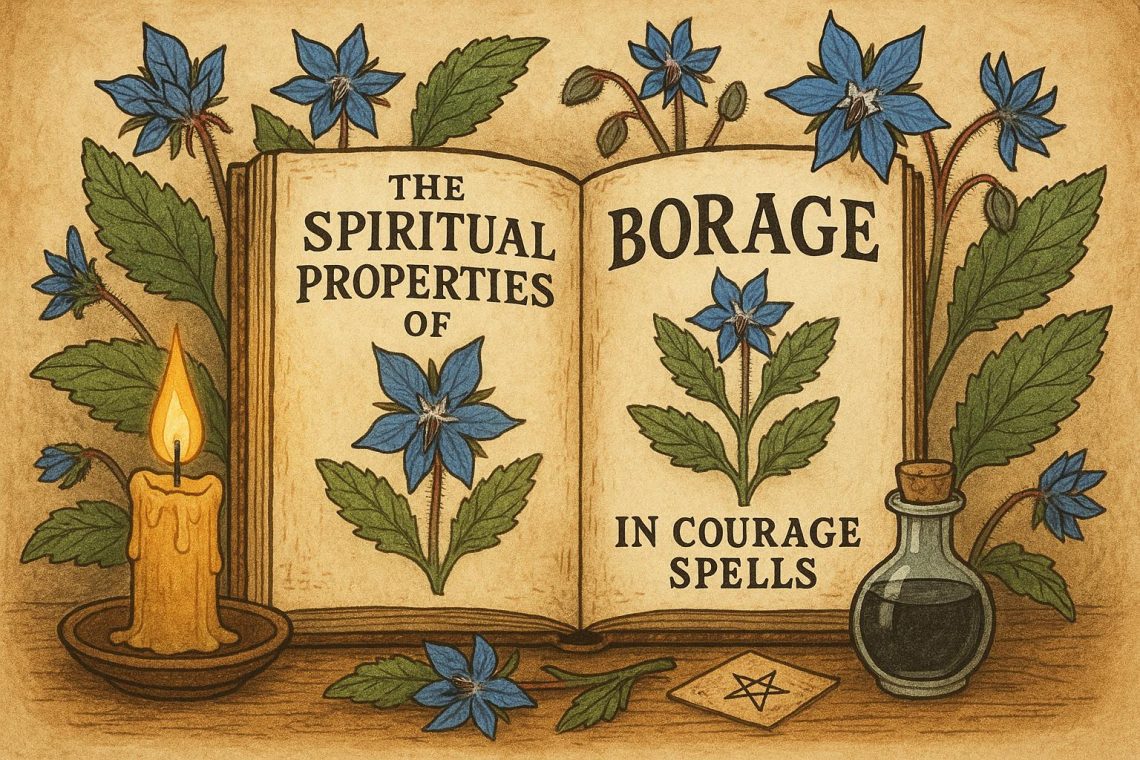
Infusions and Brews: One of the most prevalent methods to harness the energies of borage is through the creation of teas and infusions. By steeping borage leaves and flowers in hot water, practitioners believe they can draw out the essence of the herb. Drinking this concoction is said to impart courage and inner strength, preparing individuals for challenges that lie ahead.

Amulets and Charms: For those who prefer a more tangible object of empowerment, dried borage leaves can be included in amulets or sachets. These are personal talismans, intended to be carried or worn, that symbolize and promote bravery. The physical presence of the amulet serves as a constant reminder of one’s courage and determination.

Incense and Rituals: Crafting incense from borage is another way to invoke its spiritual properties. When burned during rituals, the aromatic smoke is thought to create an atmosphere conducive to courage and fearlessness. This method surrounds the practitioner with the essence of borage, supporting a mindset of strength and bravery during spiritual ceremonies.

Integrating Borage into Personal Practices

For individuals interested in exploring borage’s potential, various ways to integrate it into personal spiritual practices exist. While scientific evidence supporting these claims is limited, the longstanding tradition and anecdotal successes make borage an intriguing option for those who wish to experiment with herbal magic. Personal experimentation with borage can lead to unique experiences, as individuals find methods of incorporation that resonate personally with their spiritual journey.

Creating personalized courage-enhancing rituals could involve combining borage with other herbs known for their protective or empowering properties. Developing a bespoke blend may amplify the intended results and provide a customized spiritual experience. As with all spiritual practices, intention and focus play critical roles in achieving the desired outcome.

Experimenting with borage not only taps into historical wisdom but also provides an avenue for personal spiritual exploration. Since the properties attributed to borage function on a spiritual level, users are encouraged to align their mental and emotional states with their intentions while using the herb.

Conclusion

The spiritual properties of borage, coupled with its historical usage, illuminate its significance in practices aimed at boosting courage. Despite the minimal scientific evidence that supports the claimed benefits, the enduring tradition and anecdotal successes continue to intrigue practitioners and spiritual enthusiasts alike. For those drawn to the mystique of herbal magic, integrating borage into courage spells offers an intriguing blend of history, science, and spiritual exploration. By drawing on practices that have unfolded over centuries, individuals can experience a tangible connection to the past while carving their own paths on a spiritual journey. In doing so, they allow the ghost of ancient wisdom to guide their steps, using borage as a tool to unlock courage hidden within. For further reading on herbal practices and their applications, consider consulting reputable herbology and spiritual practice resources.

The Ritual Importance of Turnips in Samhain Traditions

The Historical Significance of Turnips in Samhain Traditions

In various Celtic societies, Samhain marks a critical period, traditionally observed from sunset on October 31st to sunset on November 1st, heralding the end of the harvest season and the onset of winter. Among the many elements that make up Samhain customs, the turnip holds a significant place. While widely overshadowed by the more contemporary pumpkin, the turnip was historically more prevalent and is intricately tied to the ritualistic and symbolic practices of Samhain.

The Role of Turnips in Samhain Celebrations

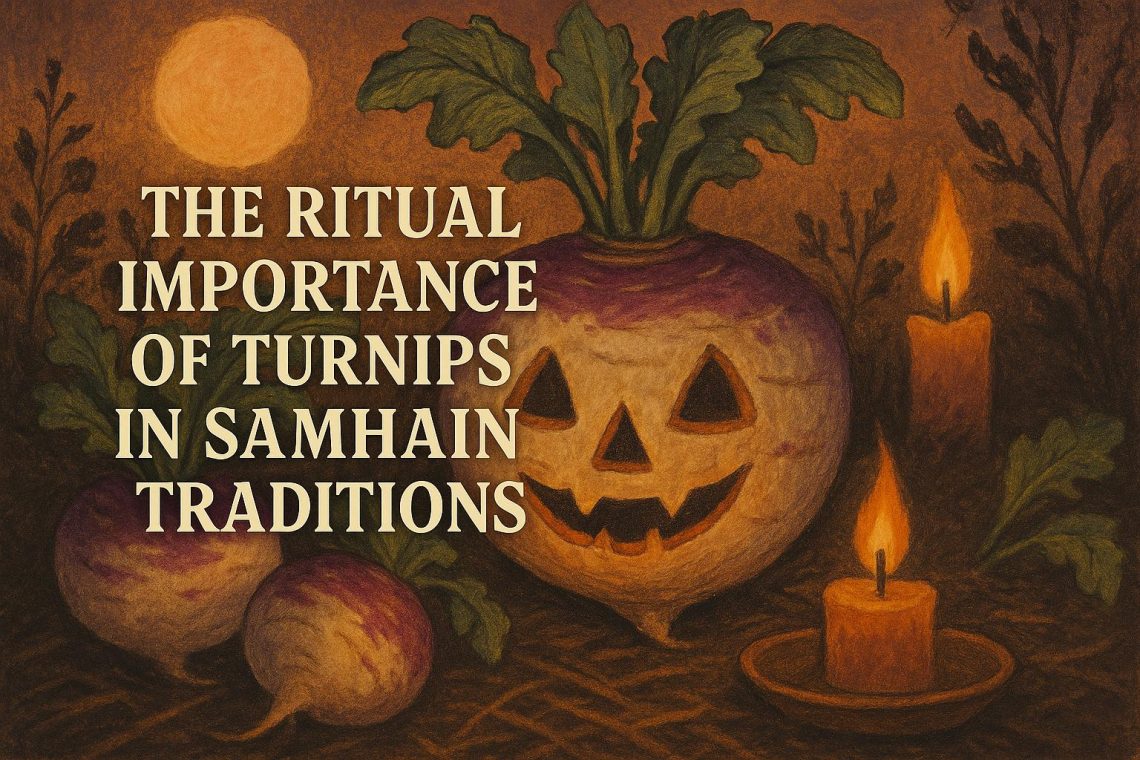
Turnips were historically used to create lanterns in preparation for Samhain festivities. This practice involved hollowing out the turnip, carving it with faces, and inserting a candle to produce lanterns. The primary purpose of these turnip lanterns was to ward off malevolent spirits. During Samhain, the veil between the physical world and the spiritual realm is believed to be at its thinnest, and these lanterns served as protective measures against any wandering beings.

Traditionally, these carved turnips were a manifestation of the beliefs held by ancient Celts regarding the spirit world. They were seen not only as protection but also as a way to guide relatives who had passed on to the other side, ensuring they safely reached their destinations. In the legends of the time, it was believed that spirits roamed the earth during Samhain, making these lanterns a necessary element to both protect and guide.

The Transition from Turnips to Pumpkins

The use of turnips for carving continued when Irish immigrants brought the tradition to America. However, they found the native pumpkin, which was larger and easier to carve, better suited for the practice. This adaptation marked the evolution from turnip lanterns to pumpkins, giving rise to the modern “jack-o’-lantern” associated with Halloween today. Learn more about the history of Jack-o’-lanterns.

The shift from turnips to pumpkins was not merely practical but also cultural. Pumpkins, with their bright and inviting appearance, came to symbolize the festive nature that modern Halloween embodies. This change facilitated the popularization of the carving tradition, leading to widespread acceptance and incorporation into what we now call Halloween. The transition was a blending of old and new world traditions, creating a festival that retained its historical roots while adapting to new cultural environments.

Symbolic Importance of Turnips

The choice of turnips is not arbitrary. In Celtic symbolism, turnips are seen as representations of both life and death, capturing the essence of Samhain as a time of transition. Their growth in the earth embodies life, while the hollowness from carving signifies death, blending the two in a symbolic gesture aligned with the core elements of Samhain.

This duality is a reflection of the larger beliefs held during Samhain, where the cyclical nature of life was celebrated. The carving of the turnip, therefore, was more than a simple activity; it was a representation of the balance between two states of existence, both honoring ancestors and preparing for the colder months that signified the end of growth and the onset of dormancy.

Turnips in Modern Samhain Observances

While pumpkins largely dominate today’s Halloween traditions, turnips are experiencing a revival in certain areas as communities strive to reconnect with authentic practices of the past. Reintroducing turnips into celebrations can provide a deeper understanding of the ritual’s roots and enrich the cultural experience. To explore more about how turnips are being reintroduced, visit Celtic Festivals.

For modern observers, using turnips instead of pumpkins allows for a return to a more traditional form of celebration. This revival is not limited to smaller communities but is becoming part of a broader movement interested in exploring and maintaining cultural heritage. Incorporating turnips back into Samhain celebrations encourages storytelling, education, and appreciation of cultural history, reflecting a desire to preserve the uniqueness of the Celtic heritage in a world where globalization often leads to cultural homogenization.

In conclusion, while pumpkins may have gained prominence in contemporary Halloween celebrations, turnips continue to hold a vital place in understanding the historical and cultural practices of Samhain. Their legacy persists as a testament to the belief systems and customs of the ancient Celts, offering modern society a chance to reflect on and appreciate the depth of traditional festivities.

The significance of this tradition lies not merely in the act of carving but in the understanding and honoring of the past. Celebrating with turnips is an invitation to engage with history, to understand the layers of cultural evolution, and to appreciate the ways in which they connect our present to the deep-seated traditions of our ancestors. By doing so, we find ourselves not only participating in a festival but also contributing to the cultural tapestry that continues to evolve over time.

The revival and interest in incorporating traditional elements like turnips into modern practices highlight an ongoing dialogue between past and present. This dialogue enriches our contemporary understanding of cultural festivities, inviting people to explore the profound meanings behind the symbols we often take for granted. In the case of Samhain, and its transition into what many now know as Halloween, turnips serve as a key to unlocking not just seasonal celebration, but a deeper appreciation of the interconnectedness of life and death, light and dark, new and old.