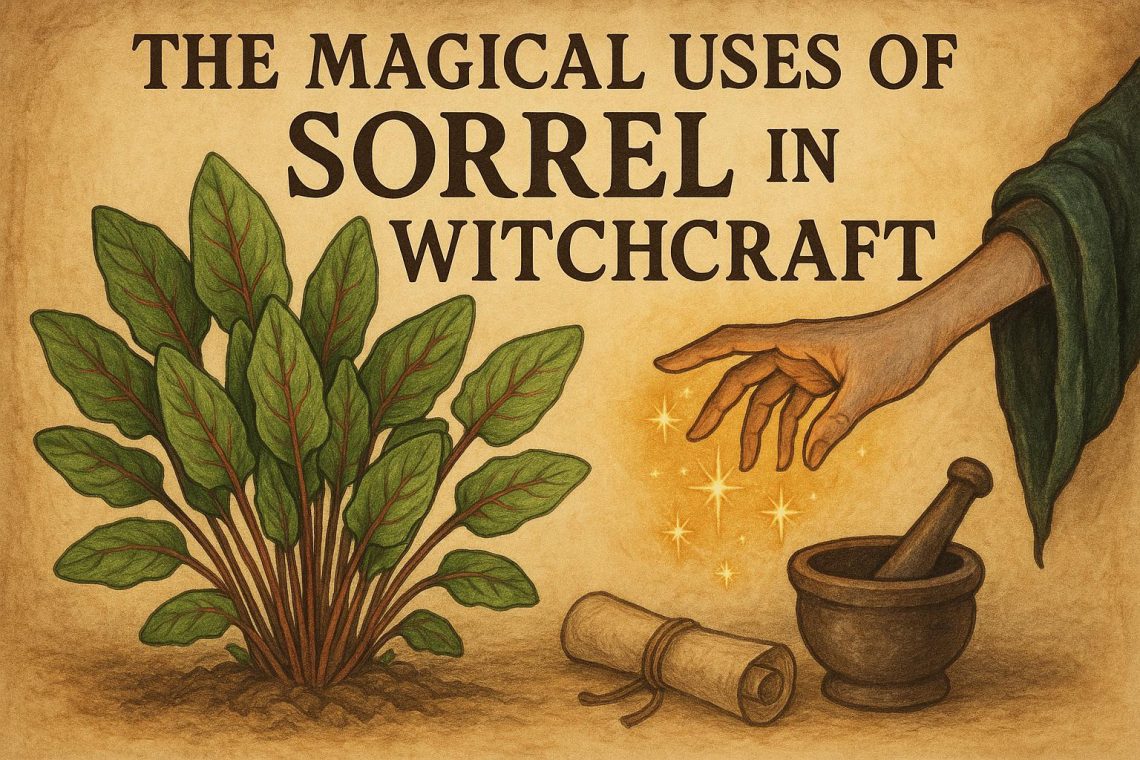
Sorrel, scientifically known as *Rumex acetosa*, is a perennial herb widely recognized for its distinct tart flavor. While its culinary applications are well-documented, sorrel also plays a significant role in various traditions of witchcraft. The herb belongs to the Polygonaceae family and its multifaceted uses extend beyond the kitchen into realms imbued with mystical significance.
The Role of Sorrel in Witchcraft
Sorrel is valued not only for its contribution to cooking and medicinal remedies but also for its symbolic importance in magical practices. In these traditions, sorrel is often associated with themes of cleansing, protection, and healing. Its historical significance within witchcraft provides insight into the diverse applications and beliefs surrounding this intriguing plant.
Historical Context
The utilization of sorrel in magical practices can be traced back to ancient cultures where herbs were integral to rituals and spells. The rich green color of sorrel’s leaves and their tangy scent distinguished the plant as a favorite among practitioners aiming to purify and protect. Historically, sorrel was a preferred herb in various rituals due to its perceived ability to banish negative energies and refresh one’s surroundings.
Protection and Warding
A prevalent use of sorrel in witchcraft involves its role in protection rituals. Practitioners often employ sorrel to craft protective charms or scatter its leaves around an area to establish a barrier against negative or harmful influences. This practice stems from a belief in the herb’s innate resilience and ability to thrive despite challenging conditions. By channeling this characteristic of sorrel, practitioners aim to fortify their defenses against adverse energies or entities.
Cleansing Rituals
In addition to its applications in protection, sorrel frequently features in cleansing rituals. The herb’s distinctive, fresh aroma is a favored component in purifying spaces or objects. Practitioners may burn sorrel as incense or incorporate it into a cleansing wash designed to dispel unwanted energies. Such rituals embody an intention to reset the energetic ambiance of an environment, allowing for renewal and revitalization.
Healing Practices
Beyond its use in protection and cleansing, sorrel is also believed to possess healing properties. While this aspect diverges from direct medical use, in witchcraft, sorrel is often integrated into spells aimed at emotional healing and personal transformation. The herb’s associations with themes of renewal and change align well with the goals of such practices, making it an ideal addition to rituals focusing on emotional well-being and growth.
Sorrel’s application in witchcraft exemplifies the manner in which plants have historically been imbued with symbolic significance, extending their uses beyond the physical into the metaphysical. The herb’s versatility across various magical contexts speaks to its enduring influence and the depth of traditional knowledge surrounding its use.
Note: Those who choose to incorporate sorrel into magical or medicinal practices should undertake a comprehensive understanding of its cultural significance alongside its scientific properties. The historical and symbolic attributes ascribed to sorrel in witchcraft reflect a rich tapestry of knowledge that transcends mere folklore, illustrating the profound connections humans have drawn between the natural world and their mystical beliefs.
In summary, sorrel’s role in witchcraft extends deeply into the past, demonstrating its presence in various rituals and practices valued for protection, cleansing, and healing. Its continued use in contemporary magical traditions underlines its enduring legacy and the ongoing importance of recognizing and respecting both the mystical and practical applications of this versatile herb. As an essential component of many rituals, sorrel offers insight into the broader practices of those who utilize nature as a source of spiritual power and transformation.