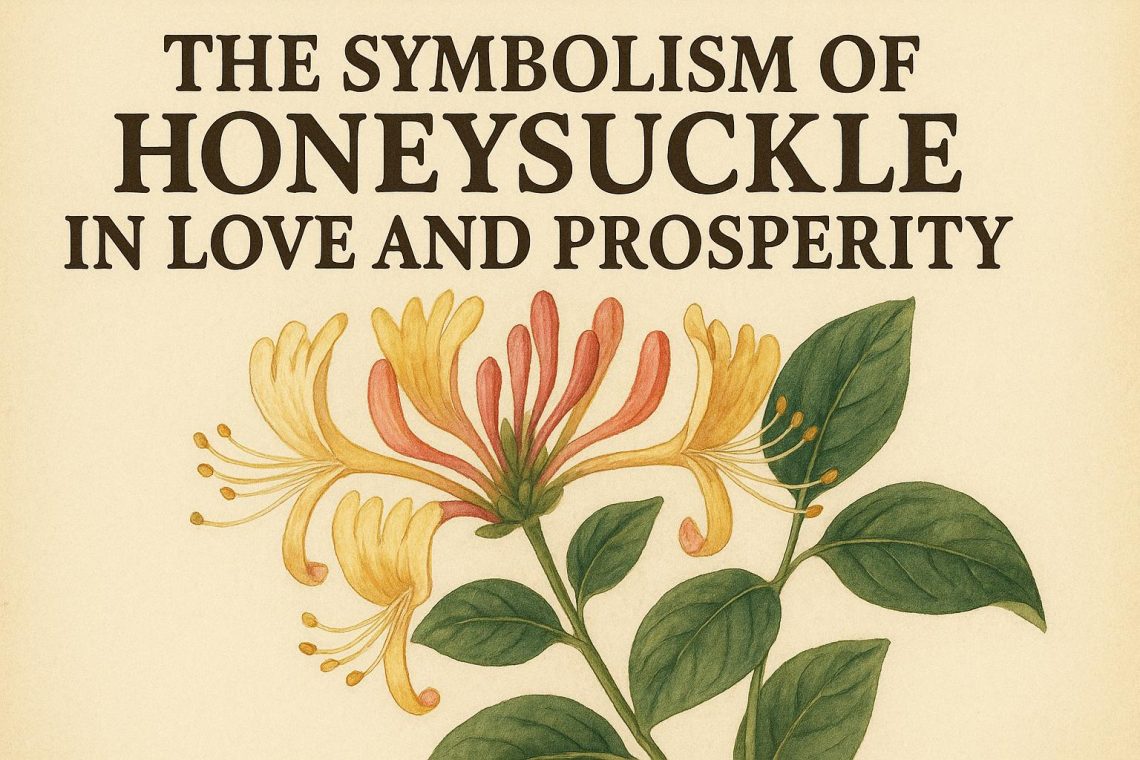
The Symbolism of Honeysuckle
Honeysuckle, often recognized for its sweet fragrance and intricate blossoms, transcends its aesthetic appeal by embodying profound symbolic meanings. With roots deeply entwined in various cultural narratives, this climbing plant represents themes of love and prosperity, contributing to its allure beyond its visual charm. These symbolic representations have been woven through folklore, cultural practices, and ecological interactions, enriching the complexities of honeysuckle’s role in human perception and natural ecosystems.
Honeysuckle and Love
The symbolism of honeysuckle in relation to love is a prevalent theme in numerous cultural traditions. The plant’s natural tendencies, particularly its climbing and intertwining vines, serve as metaphors for romantic bonds and affection. This association is amplified by the plant’s fragrant blossoms, which are considered embodiments of the sweetness and passion integral to romantic relationships. The subtleties of honeysuckle’s association with love manifest in various cultural practices, where the plant is employed as a token of enduring affection and fidelity.
Honeysuckle in Folklore
In folklore, honeysuckle is endowed with mythological significance, frequently seen as a harbinger of good fortune in matters of the heart. In many cultures, planting honeysuckle near the home entrance is a traditional practice believed to attract love and harmony within the household. Historical records from ancient Celtic traditions showcase the inclusion of honeysuckle in ceremonies and rituals celebrating love and romance. This persistent presence in cultural narratives underlines honeysuckle’s enduring association with romantic themes, thereby extending its significance beyond mere physical beauty.
Marriage and Honeysuckle
The connection between honeysuckle and marriage has historical depth as well. In various cultures, honeysuckle is integrated into wedding ceremonies, often included in bouquets and decorative arrangements. Its inclusion symbolizes the couple’s commitment to nurturing a lasting affection that withstands challenges and flourishes over time. In certain traditions, honeysuckle is also included in symbolic rituals meant to bless the couple with a harmonious and fruitful union. These practices reflect the plant’s capacity to embody ideals of fidelity and enduring love, making it a favored emblem in matrimonial contexts.
Honeysuckle and Prosperity
Alongside its romantic connotations, honeysuckle is often associated with themes of prosperity and abundance. Its vigorous growth and adaptability to diverse environments contribute to its representation as a symbol of wealth and positive growth. Cultural interpretations of honeysuckle’s presence often suggest that the plant can bring financial luck and success, echoing a belief in its power to invite prosperity into one’s life.
Traditional Uses in Prosperity Rituals
Historically, honeysuckle has been an integral component of prosperity rituals across various cultures. Such practices involved the strategic placement of honeysuckle blooms in arrangements aimed at invoking financial success and good fortune. This tradition continues to be practiced by individuals and communities who value the plant’s symbolic connection to wealth, demonstrating how honeysuckle’s presence in ritualistic contexts has endured through time.
The Plant’s Role in Ecology
Beyond its cultural and symbolic heritage, honeysuckle serves an important ecological function. The nectar-rich blooms attract a variety of pollinators, such as bees and butterflies, which play vital roles in maintaining ecological balance through their pollination activities. This ecological contribution can be metaphorically linked with the idea of prosperity, as a thriving ecosystem supports diverse forms of life and growth. Thus, honeysuckle’s role in fostering ecological health parallels its symbolic representation of abundance and positive growth.
Honeysuckle’s Environmental Impact
While honeysuckle’s ecological contributions are noteworthy, certain species of honeysuckle have also been identified as invasive in regions outside their native habitats. These invasive species can disrupt local ecosystems by outcompeting native plants, leading to ecological imbalances. This duality—where honeysuckle is both a contributor to and a challenger of ecological harmony—adds layers to its symbolic and practical significance. It serves as a reminder of the careful balance necessary in interacting with the natural world, highlighting the complex interplay between symbolism and ecological realities.
Conclusion
Honeysuckle is a plant that captivates with its beauty but holds far deeper significance through its symbolic associations with love and prosperity. Its historical presence in various cultural narratives underscores its importance in human traditions and beliefs. Moreover, its ecological role enhances its symbolic connection to prosperity, positioning honeysuckle as a multifaceted emblem of growth and harmony. While honeysuckle undoubtedly enhances any garden with its aesthetic appeal, it also contributes to enriching human relationships and aspirations with its rich symbolic meanings. For those interested in exploring the significance of honeysuckle further, delving into botanical literature and cultural histories can provide additional insights into this enchanting plant’s legacy across societies and time.