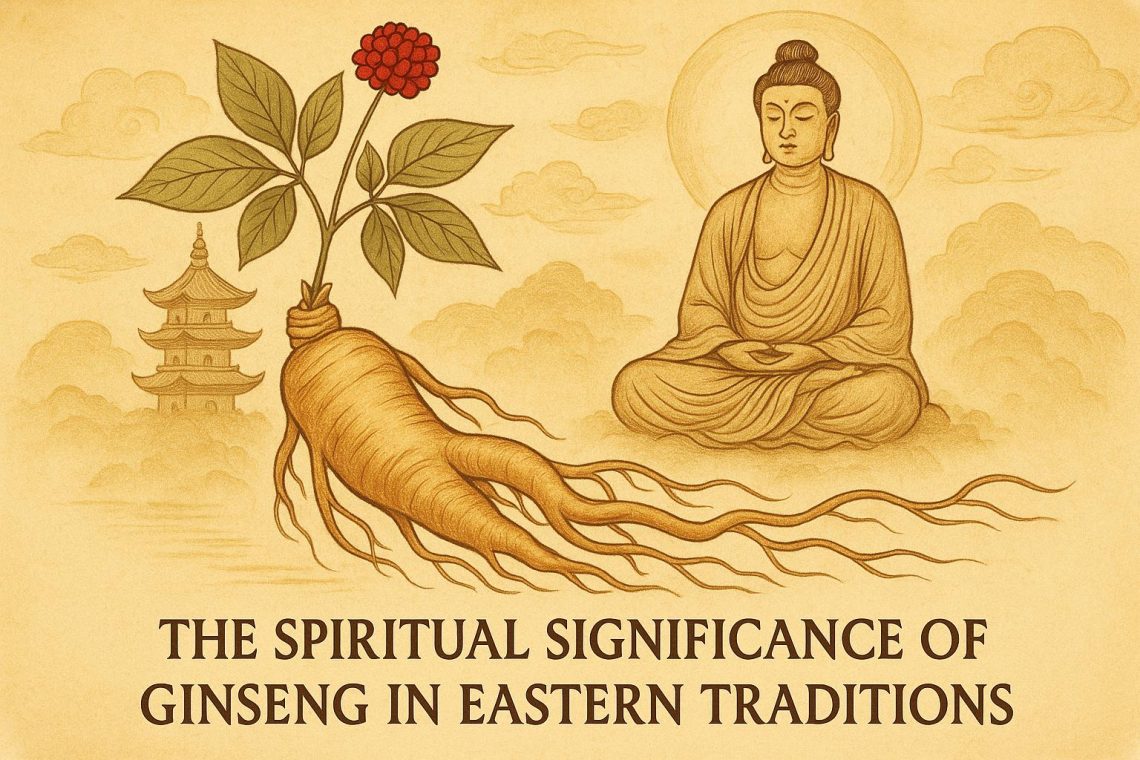
The Spiritual Significance of Ginseng in Eastern Traditions
Ginseng, a plant belonging to the genus Panax, has held a place of high regard in various Eastern spiritual and medicinal traditions for centuries. It is revered for its purported health benefits and its role in connecting the physical body with spiritual realms. The plant’s attributes are often considered to go beyond mere physical health, touching upon the realms of spiritual growth and connection with natural energies.
Ginseng in Traditional Chinese Medicine
In Traditional Chinese Medicine (TCM), ginseng is known as ren shen and is considered to have properties that help balance the body’s energies, or qi. The concept of qi is intrinsic to the understanding of health in TCM, as it represents the vital life force that animates the body and spirit. Ginseng is categorized as a superior tonic, believed to support overall health and vitality, contributing to the balance of yin and yang. This balance is essential for maintaining harmony within the body and mind. Practitioners of TCM utilize ginseng to enhance mental and physical energy, combat fatigue, and promote longevity, indicating its dual value in medicinal and spiritual contexts. The herb is known for its adaptogenic qualities, which not only enhance resilience to stress but also foster a long-term equilibrium of bodily functions, allowing for enhanced spiritual exploration and clarity of thought.
The Symbolic Representation of Ginseng
Beyond its medicinal uses, ginseng assumes symbolic importance in spiritual practices. Its root, often resembling the human form, symbolizes life, vitality, and connection with the earth. This physical form is thought to create a direct link between humans and the spiritual essence of nature. The resemblance of the root to the human body is symbolic of the interconnectedness of all life forms and their shared existence within the universe. Consequently, ginseng becomes a bridge between the spiritual and corporeal worlds, facilitating the flow of universal energy. It serves as a reminder of the symbiotic relationship between humans and nature, encouraging a mindful existence that respects the balance of all living things.
Ginseng’s Role in Korean Shamanism
In Korean shamanic traditions, known as muism or sinism, ginseng is often used in rites and rituals aiming to invoke ancestral spirits. Shamans, known as mudang, regard ginseng as an essential tool for spiritual communication and healing. It is viewed as a sacred root with the ability to purify one’s spirit and environment. The plant’s presence in these rituals underscores its perceived power to enhance spiritual awareness and facilitate communication with spiritual entities. Rituals involving ginseng often include offerings and incantations, utilizing the root as a mediator between the human world and the divine. Through these practices, practitioners aim to seek guidance, protection, and healing from ancestral and spiritual beings, with ginseng serving as a potent ally in these endeavors.
The Use of Ginseng in Nurturing Spiritual Growth
Ginseng’s role in spiritual traditions extends to personal spiritual development. Individuals seeking personal growth and enlightenment often turn to ginseng for support. It is believed that the plant can assist individuals in attaining higher states of consciousness. Practitioners use ginseng to deepen meditation, heighten awareness, and articulate a serene connection with their inner self. The consumption of ginseng is thought to clear mental fog and promote a state of mental tranquility, which is conducive to introspection and spiritual exploration. By assisting in maintaining mental clarity and focus, ginseng enables individuals to explore deeper levels of meditation and to connect more profoundly with their spiritual essence.
Ginseng in Modern Spiritual Practices
In contemporary settings, the spiritual uses of ginseng have transcended geographical boundaries. It is frequently incorporated into holistic wellness practices where it serves as a supplement promoting not only physical health but also spiritual well-being. Practitioners outside of Asia often embrace ginseng in meditative and healing practices, appreciating its centuries-old legacy of enhancing vitality and spiritual insight. The global interest in mindfulness and holistic health practices has facilitated the integration of ginseng into diverse spiritual communities. Many modern practitioners value ginseng for its ability to support mental clarity and emotional balance, which are essential components of a grounded spiritual practice. Moreover, the plant’s association with ancient wisdom and tradition adds a layer of historical context and reverence to its use in contemporary spirituality.
Integration with Other Spiritual Practices
In addition to its traditional roles, ginseng has found a place in various other spiritual practices across the globe. It is often combined with other herbs and used in teas or tinctures to promote a sense of peace and equilibrium. These blends are used by meditation practitioners and yogis alike to foster a profound sense of interconnectedness and presence. Ginseng’s adaptability in these contexts underscores its capability to bridge different cultural understandings of spirituality, creating a universal language of health and enlightenment.
Conclusion
The spiritual significance of ginseng in Eastern traditions is multifaceted, extending beyond its medicinal properties to include profound symbolic and ritualistic roles. Its use in traditional practices underscores the plant’s esteemed position as a conduit between the physical and spiritual worlds, nurturing a harmonious balance that continues to be valued in modern spiritual practices. By bridging the gap between ancient wisdom and contemporary wellness, ginseng maintains its relevance as a powerful tool for spiritual growth and holistic health. For those seeking to enrich their spiritual journey, ginseng serves as both a historical symbol and a practical companion in the quest for balance and enlightenment.
For more information on traditional uses and the cultural significance of ginseng, consider exploring Acupuncture Today for further insights.