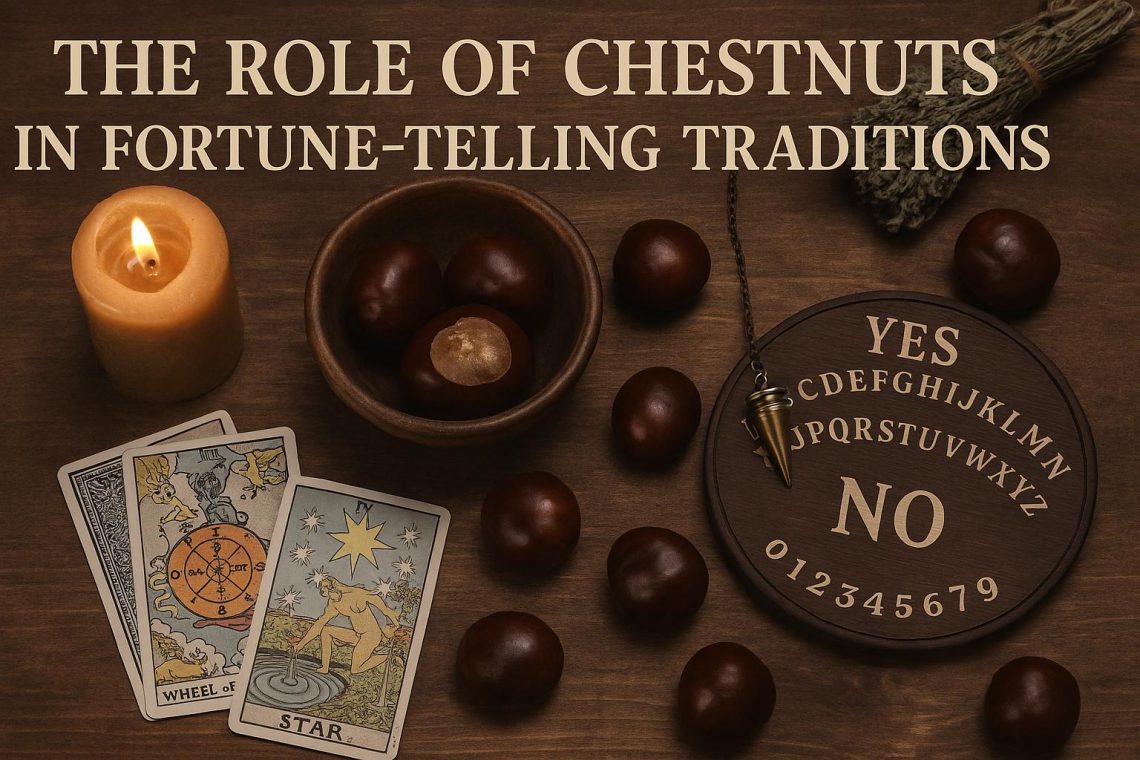
The Historical Significance of Chestnuts in Divination Practices
The use of chestnuts in fortune-telling traditions offers a compelling glimpse into cultural history, where everyday materials are imbued with mystical significance. Across various cultures, chestnuts have been employed as tools for divination, with roles that widely vary based on cultural context and local traditions. These practices are not merely historical artifacts but echo the timeless human desire to seek guidance from the supernatural in understanding the present and predicting the future.
Chestnuts in European Traditions
In several European countries, chestnuts have long been associated with divination practices, particularly during harvest festivals and other major seasonal celebrations. These festivals often coincide with periods of societal transition, providing an opportune time for people to engage in rituals that augur the future. The abundance of chestnuts in regions like Italy and Spain, where these nuts are plentiful, has allowed them to become a staple in local lore and superstition.
An especially interesting element of these practices involves using the behavior of chestnuts as they are roasted to predict future events. Individuals may view a chestnut that bursts while roasting as an ill omen, possibly hinting at challenges or obstacles ahead. Conversely, a chestnut that cooks uniformly without bursting might be interpreted to symbolize harmony and good fortune. This method of divination underscores a fundamental aspect of human psychology: the attempt to find order and predictability in the naturally chaotic world.
Chestnut Tossing and Love Predictions
In certain cultures, chestnuts have taken on a more specific role in romantic fortune-telling. This use underscores the deeply ingrained social desire to find love and companionship, as well as the role of divination as a means to explore potential romantic outcomes. A traditional activity involves young people tossing chestnuts into a fire, with each chestnut representing a different potential lover. Observing the behavior of the nuts—whether they stay close together in the flames or move apart—provides insights into the future of each romantic relationship. If two chestnuts remain close to one another, this might suggest compatibility and potential success in the relationship. This tradition exemplifies how people in communities leverage simple, readily available items to tackle complex emotions and decisions.
Chestnuts in Eastern Traditions
While not as pervasively recognized in Eastern cultures as in their European counterparts, chestnuts nevertheless hold a place in certain local divination customs. These practices often emerge in parts of Asia where chestnuts are considered a staple food. Their symbolic use in these regions is intricate, often involving festivals and rituals that aim to predict broader questions about prosperity and health rather than focusing solely on personal issues, such as love.
The inclusion of chestnuts in these festivals serves a dual purpose: on one hand, they provide nourishment, reinforcing their status as staples; on the other hand, they take on a ritualistic role, offering foresight into personal and communal well-being. Sometimes, the specific way they are roasted and consumed during these events may be interpreted to provide answers or portend future happenings. This dual function enhances the role of everyday foods as connectors between the pragmatic and the spiritual aspects of life.
Comparative Analysis of Chestnut Divination
By examining the role of chestnuts in divination through a comparative lens, we gain an understanding of the common human desire across different societies to seek out signs and omens. Despite noticeable differences in practice, the underlying aim remains consistently similar: an attempt to gain foresight or understanding of personal and communal futures. In many respects, these practices reflect a universal aspect of humanity—our inclination to interpret signs from the natural world as indicators of what is to come.
The consistency of this theme across diverse cultural contexts indicates that people, regardless of their background, possess a shared interest in divination as a tool for coping with uncertainty. Whether using chestnuts to predict romantic outcomes or to foresee communal prosperity, these traditions showcase the human tendency to seek control and comprehension over the unpredictable nature of life.
Conclusion
Chestnuts, ingrained with cultural significance across several regions, offer an intriguing glimpse into how societies have historically used everyday elements in extraordinary ways. This blending of the mundane and the mystical provides valuable insights into how traditions are formed and sustained through generations. Whether determining love prospects in Europe or predicting prosperity in Asia, the divination practices that utilize chestnuts highlight enduring facets of human curiosity and belief.
For those who wish to delve deeper into traditional practices involving everyday foods, various online platforms provide a wealth of detailed insights. Such resources continue to enrich our understanding of how the past and present meet in the cultural practices surrounding these seemingly ordinary elements.